Most energy efficient cooker
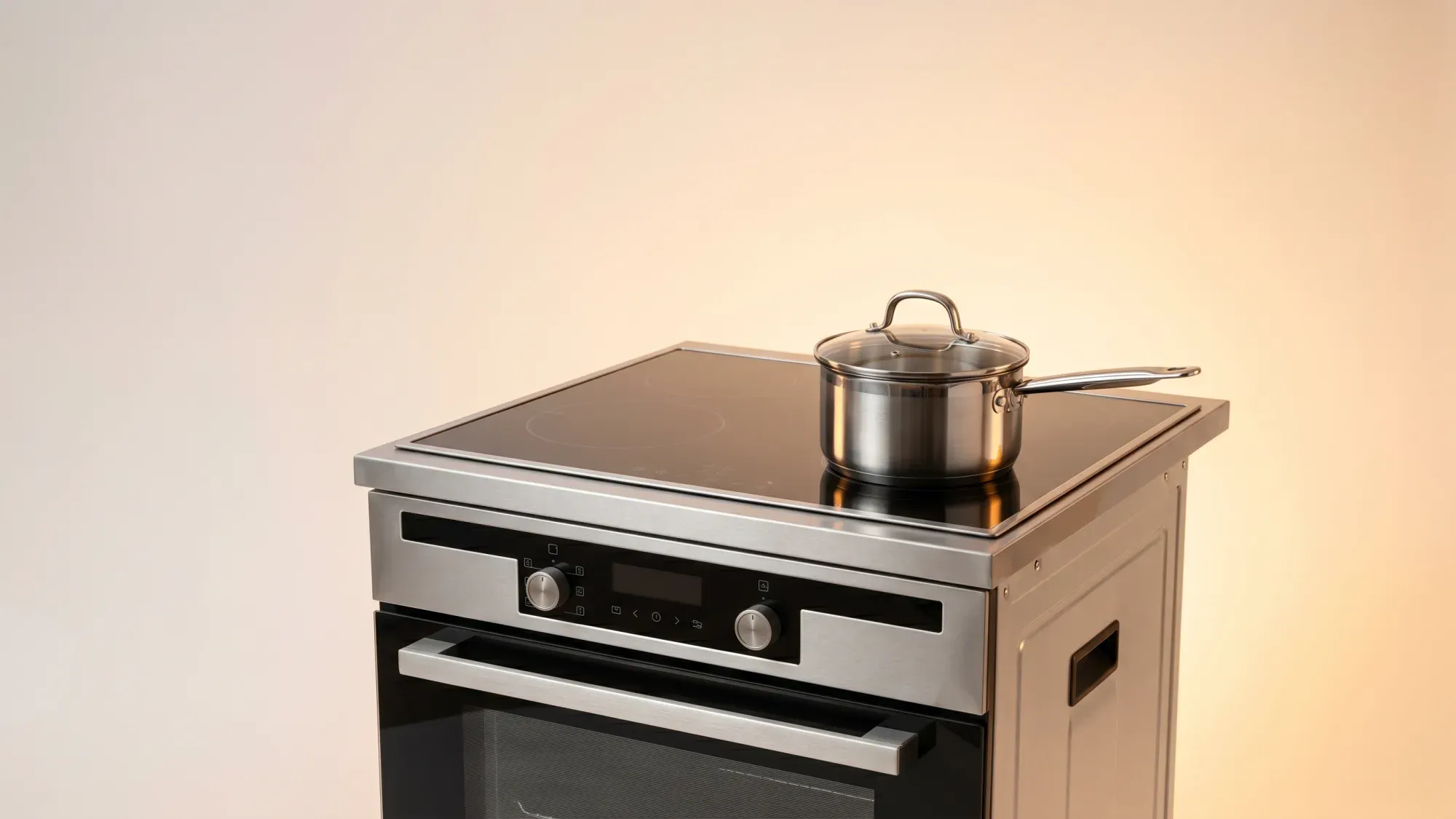
Choosing a new cooker is a significant decision for any UK household. Selecting an energy-efficient model is a power play that puts you in control of your energy consumption and costs. This guide will help you navigate the options, understand what truly makes a cooker efficient, and empower you to make an informed choice that benefits both your wallet and your peace of mind.
Making smart choices about your home appliances, like your cooker, can lead to noticeable savings on your energy bills. Fuse Energy is committed to helping you manage your energy use effectively with clear pricing and real-time data. Click here to switch to Fuse Energy today.
Enter your address to get a quote and see how much you could save
Understanding energy efficiency labels for cookers
Navigating the world of home appliances often starts with an energy label. These labels are designed to give you a clear, at-a-glance understanding of an appliance's energy performance.
The UK's A-G rating system explained
In the UK, all new cookers are required to display an energy label, typically using an A-G scale. This system helps you compare energy efficiency, with 'A' indicating the most energy-efficient appliances and 'G' being the least efficient. This standardised rating ensures transparency, allowing you to quickly identify models that consume less energy. The current A-G scale replaced the older A+++ system to simplify comparisons and allow for future advancements in efficiency.
What makes a cooker energy efficient?
A cooker's energy efficiency is determined by how effectively it converts energy into usable heat for cooking, minimising waste. Factors like insulation, heating technology, and even the materials used in its construction play a role. An efficient cooker uses less energy to achieve the same cooking results, which translates directly into lower running costs.
How much electricity does the average UK home use?
The average UK home consumes around 2,700 kWh of electricity per year. This figure is a useful baseline for understanding how much energy individual appliances contribute to your overall household consumption.
Comparing cooker types for energy efficiency
Different cooker technologies have distinct energy consumption profiles. Understanding these differences is key to choosing the most energy-efficient option for your home.
Electric ovens and hobs
Traditional electric ovens and hobs, often with ceramic or solid plate elements, heat up by resistance. While generally reliable, they are less efficient than induction models. Ceramic hobs typically achieve 65-75% efficiency, as heat is transferred from the element to the glass surface and then to the pan, leading to some energy loss. Solid plate hobs are even less efficient, often around 50-65%, and are slow to heat and cool.
Gas ovens and hobs
Gas hobs use an open flame, which can be responsive and offer precise control. However, they are generally the least energy-efficient hob type, with efficiency ranging from 40-55%. A significant portion of the heat from a gas flame escapes into the surrounding air rather than being transferred to the pan. While the unit cost of gas per kWh has historically been lower than electricity, the lower efficiency means more energy is consumed to achieve the same cooking task.
Induction hobs: the efficiency leader
Induction hobs are widely considered the most energy-efficient option for hob cooking. They work by creating an electromagnetic field that directly heats the base of magnetic cookware, with minimal heat loss to the surrounding environment. This direct heat transfer results in an impressive energy efficiency of 85-90%. Induction hobs also heat up much faster than gas or traditional electric hobs, further reducing the energy required for cooking tasks. This efficiency can lead to competitive annual running costs, often comparable to or even less than gas, especially when paired with off-peak electricity tariffs, which can be managed with agile pricing models.
Range cookers and their energy footprint
Range cookers, often larger and featuring multiple ovens and hob zones, can be a focal point in a kitchen. Their energy consumption can vary significantly depending on their size, features, and whether they are gas, electric, or dual-fuel. While some modern range cookers incorporate energy-saving technologies, their sheer size and capacity mean they may consume more energy overall compared to smaller, single-oven units, especially if not used to their full capacity.
Key features that boost energy savings
Beyond the basic cooker type, several features can contribute to a cooker's energy efficiency and help reduce your bills.
Fan-assisted ovens
Fan-assisted ovens, also known as convection ovens, circulate hot air evenly throughout the oven cavity. This even heat distribution means food cooks more consistently and often faster, allowing you to use a lower temperature or reduce cooking times. Both factors contribute to energy savings compared to conventional ovens.
Pyrolytic and catalytic cleaning
Self-cleaning functions offer convenience, but their energy implications differ. Pyrolytic cleaning involves heating the oven to extremely high temperatures (around 400-500°C) to incinerate food residue into ash. While effective, this process consumes a significant amount of electricity during its cycle. However, pyrolytic ovens often feature enhanced insulation to withstand these high temperatures, which can improve their energy efficiency during regular cooking. Catalytic liners, on the other hand, absorb grease during normal cooking and require no extra energy for cleaning, though they are less thorough than pyrolytic systems.
Steam cooking functions
Steam cooking functions use water and lower temperatures to loosen food residue, making it easier to wipe away. This method is generally the most energy-efficient self-cleaning option, consuming less energy than both pyrolytic and catalytic cleaning. Beyond cleaning, some ovens offer steam-assisted cooking, which can help retain moisture in food and potentially reduce cooking times.
Effective insulation and door design
Good insulation is crucial for an energy-efficient oven. Thick, well-sealed insulation prevents heat from escaping, ensuring that the energy used to heat the oven stays inside, where it's needed. Multi-glazed oven doors also contribute to this by trapping heat more effectively, reducing heat loss and keeping the kitchen cooler.
Smart cooking habits to reduce energy use
Even with the most energy-efficient cooker, your cooking habits play a significant role in overall energy consumption. Small changes can make a big difference, contributing to overall energy bill savings.
Preheating wisely
Many recipes call for preheating, but it's not always necessary for every dish. For items with longer cooking times, the oven heats up with the food inside, saving energy. If preheating is essential, avoid opening the oven door frequently, as this causes heat to escape and requires the oven to use more energy to return to temperature.
Using the right cookware
Matching the size of your pan to the hob ring, especially on electric hobs, prevents wasted energy. Using pots and pans with flat bases ensures maximum contact with the heat source. For ovens, using glass or ceramic dishes can help, as they retain heat well and can sometimes allow you to cook at a slightly lower temperature.
Batch cooking and residual heat
Batch cooking, preparing larger quantities of food at once, makes efficient use of oven heat. Once the oven is hot, cooking multiple items or meals back-to-back is more energy-efficient than heating it repeatedly. Additionally, turning off the oven a few minutes before food is fully cooked allows residual heat to finish the job, saving a small but consistent amount of energy.
Alternative cooking methods
Consider using smaller appliances for smaller tasks. A microwave, air fryer, or slow cooker can be significantly more energy-efficient than a full-sized oven for certain foods, especially for single portions or reheating. Air fryers, for instance, cook food faster and use less electricity than conventional ovens due to their smaller size and efficient convection, which can impact your air fryer annual energy bill.
Making your energy-efficient cooker choice
Choosing the right cooker involves balancing energy efficiency with your personal needs and budget.
Assessing your needs and budget
Consider your cooking frequency, the types of meals you prepare, and the number of people you typically cook for. A large range cooker might be overkill for a single person who rarely cooks, while a small single oven might be insufficient for a large family. Factor in both the initial purchase price and the long-term running costs.
Considering installation and running costs
While an energy-efficient cooker might have a higher upfront cost, its lower running costs can lead to significant savings over its lifespan. For induction hobs, remember that you might need to invest in new magnetic cookware if your current set isn't compatible. Installation costs can also vary, particularly if you're upgrading your electrical supply for a powerful electric cooker.
Checking reviews and reliability
Always research specific models and read user reviews. A cooker's energy rating is a good indicator, but real-world performance, durability, and user satisfaction are also crucial. Look for models from reputable brands known for their quality and customer support.
Empowering your energy play with Fuse
Choosing an energy-efficient cooker is a powerful step towards managing your household energy, but it's just one part of the equation. Fuse Energy empowers you to take control of your entire energy consumption.
With Fuse, you get clear pricing and real-time energy data through our app, allowing you to see the direct impact of your energy-efficient appliance choices on your bills. This transparency gives you the power to play with your energy usage, making informed decisions that align with your energy-saving goals. Our 24/7 human customer support is always on hand to assist with energy management, complementing your choice of an energy-efficient cooker. We don't sell cookers, but we empower you to manage and understand the energy you consume through your chosen appliances, helping you make the most of your energy-saving efforts. Click here to switch to Fuse Energy today.
Disclaimer
For the avoidance of doubt, this article is provided for informational purposes only and is not intended to constitute legal or financial advice. The author and/or Fuse Energy shall not be responsible for any losses arising out of any reliance on the information contained herein.