Merits and demerits of geothermal energy explained
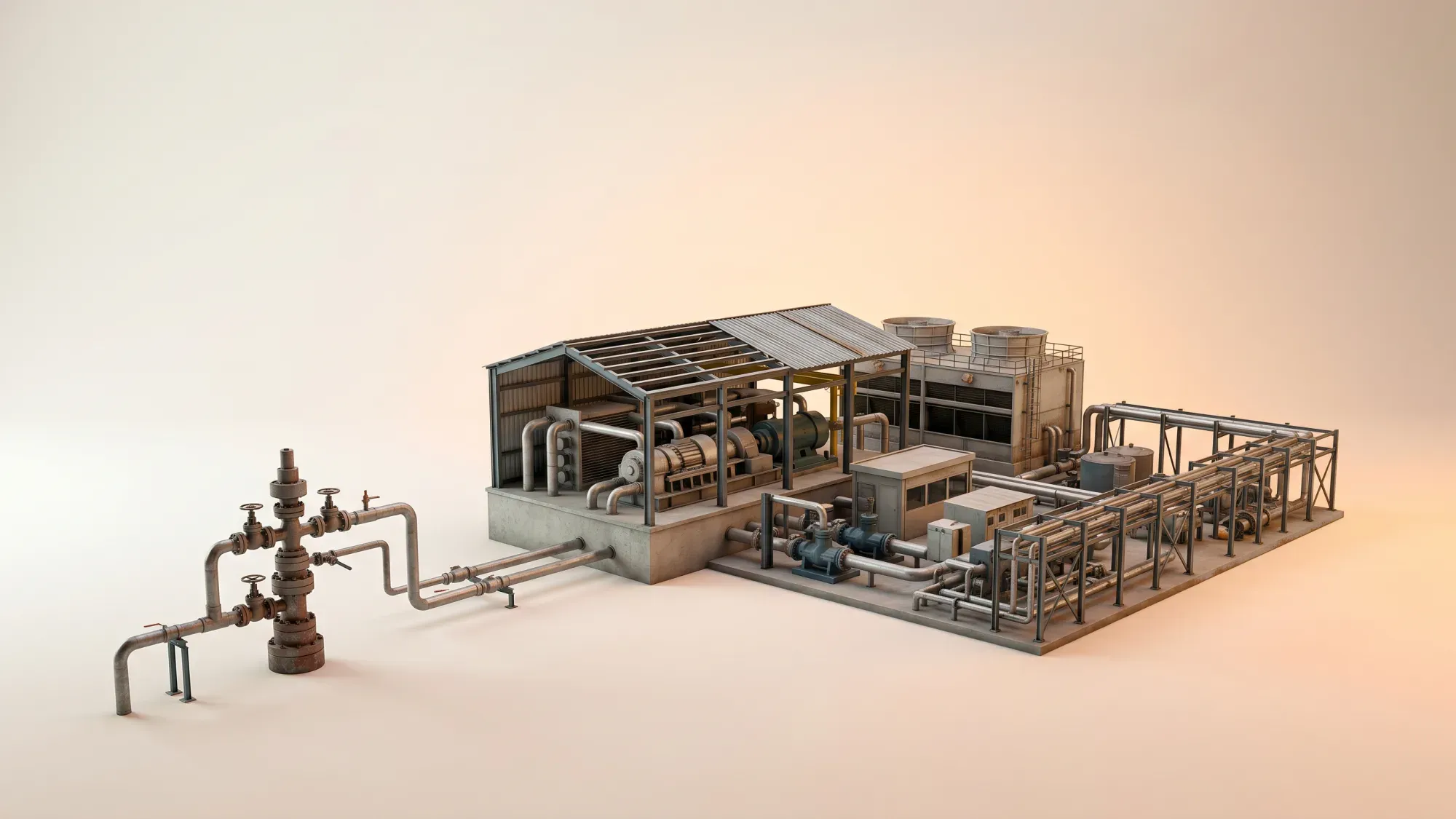
Geothermal energy harnesses the Earth's internal heat, offering a continuous power source. This article explores its advantages and disadvantages, focusing on its potential and challenges within the UK's energy landscape.
Geothermal energy provides a stable and predictable energy supply, complementing intermittent renewables like solar and wind. If you're looking to understand more about renewable energy options for your home, Fuse Energy offers clear pricing and smart solutions. Click here to see how you could switch to a modern energy experience.
Enter your address to get a quote and see how much you could save
Understanding geothermal energy
What is geothermal energy?
Geothermal energy taps into the natural heat stored beneath the Earth's surface. This heat originates from the planet's formation and the slow decay of radioactive isotopes within its core. Unlike intermittent renewable sources like solar and wind, geothermal power provides a continuous, baseload supply of energy, operating consistently regardless of weather conditions or time of day.
How geothermal power works
The process involves drilling wells deep into the Earth to access hot water or steam, or to circulate water through hot rock formations. This heated fluid is then brought to the surface, where it can be used directly for heating or to drive turbines for electricity generation. In areas with naturally occurring hot water or steam, conventional geothermal plants operate. Where natural permeability is insufficient, Enhanced Geothermal Systems (EGS) use hydraulic stimulation to create pathways for fluid circulation and heat extraction.
The merits of geothermal energy
Consistent baseload power
One of geothermal energy's most significant advantages is its ability to provide reliable baseload power. Geothermal power plants can operate 24 hours a day, seven days a week, offering a stable and predictable energy supply that complements intermittent renewables such as solar and wind. This continuous output is crucial for grid stability and ensuring a constant supply of electricity.
Low operational costs
While initial investment can be substantial, geothermal power plants typically have low operational costs once established. The "fuel" - the Earth's heat - is free and inexhaustible, eliminating the need for costly fuel procurement and transportation. This leads to predictable and stable energy prices over the long term.
Reduced carbon footprint
Geothermal energy plants produce significantly fewer greenhouse gas emissions compared to fossil fuel power stations. Emissions primarily consist of minimal amounts of carbon dioxide, methane, and hydrogen sulphide, which can often be captured and reinjected into the Earth. Binary-cycle geothermal plants, which operate in a closed loop, can even achieve near-zero emissions. Geothermal energy can also be used for direct heating and cooling, further reducing reliance on fossil fuels for these applications.
Small land footprint
Geothermal power plants generally require a relatively small land area per unit of energy generated compared to many other renewable sources like large-scale solar farms or wind installations. This makes them suitable for locations where land availability is a concern and allows for coexistence with other land uses, such as agriculture. For more on the benefits of other renewable sources, you can read about the advantages of solar energy.
The demerits of geothermal energy
High upfront investment
The primary barrier to widespread geothermal adoption is the high upfront capital cost associated with exploration and drilling. Drilling deep wells can be expensive and carries geological risks, as the success of finding viable geothermal resources is not always guaranteed. Deep geothermal projects typically have high capital expenditure costs, mainly due to drilling and testing, which can range from £1.6 million to £1.8 million per kilometre for 1-2 km vertical wells. These costs are higher than for many other established renewables, though technological advancements are expected to drive them down over time.
Location-specific resources
Geothermal resources are not evenly distributed across the globe. Viable geothermal projects require specific geological conditions, such as hot rock formations, permeable reservoirs, and often the presence of water at depth. This limits the geographical areas where large-scale geothermal electricity generation is economically feasible.
Potential environmental concerns
While generally considered clean, geothermal energy is not entirely without environmental impacts. Concerns include the potential for induced seismicity (small earthquakes) due to fluid injection and extraction, particularly in EGS. Although typically low-magnitude, these events require careful monitoring and management. There is also a risk of releasing trace amounts of harmful substances like arsenic, mercury, or boron from geothermal fluids during drilling or operation if not properly managed and reinjected. Water usage can also be a concern in some geothermal systems, requiring responsible management to avoid scarcity issues.
Can geothermal energy cause earthquakes?
Yes, geothermal operations, particularly EGS, can induce small earthquakes due to fluid injection and extraction. These seismic events are typically low-magnitude and rare, but require careful monitoring and management protocols to ensure safety and minimise risk to surrounding communities.
Resource depletion risks
Although geothermal energy is a renewable resource, localised depletion can occur if heat is extracted faster than it is naturally replenished. This can lead to a cooling of the reservoir over time, reducing its energy output. Sustainable reservoir management practices, including reinjection of fluids, are crucial to ensure the long-term viability of geothermal projects.
Geothermal energy in the UK context
UK's geothermal potential
The UK possesses significant, albeit largely untapped, geothermal potential. Deep geothermal resources are particularly promising in areas such as Cornwall, where granite formations bring heat closer to the surface, and in hot sedimentary aquifers found in regions like East Yorkshire, Cheshire, and the Wessex basin. It is estimated that the UK's geothermal resources could theoretically meet all of its heating demand for the next century. Cornwall, with its higher heat flows, is considered one of the best places for deep geothermal electricity generation in the UK.
Current projects and policy support
The UK has seen recent advancements in its geothermal sector. The country's first deep geothermal power plant began operating at United Downs in Cornwall in early 2026, generating electricity for approximately 10,000 homes. This project also offers the UK's first domestic supply of lithium, a critical mineral for electric vehicle batteries.
For domestic applications, the UK Government's Boiler Upgrade Scheme (BUS) offers grants for the installation of low-carbon heating technologies, including ground source heat pumps, in eligible properties in England and Wales. Property owners can receive £7,500 towards the cost and installation of a ground source heat pump through this scheme. For more information on heat pumps, consider reading about the air source heat pump.
Geothermal energy projects in the UK are subject to environmental regulations and planning permissions, particularly concerning drilling, water abstraction, and reinjection. While there isn't a bespoke regulatory framework for geothermal energy, developers must navigate various existing authorisation regimes, which can create a complex and lengthy licensing process.
The future of geothermal energy
Advancements and innovations
The future of geothermal energy is being shaped by continuous innovation. EGS are expanding the reach of geothermal power beyond naturally occurring hydrothermal sites by creating artificial reservoirs in hot, dry rock. Advances in drilling techniques, reservoir management, and system design are making EGS a more practical and reliable option. Next-generation high-temperature sensors and materials are also crucial for reducing costs and improving efficiency.
Role in an abundant energy mix
Geothermal energy has a vital role to play in building a future with abundant, reliable, and clean energy. Its capacity for continuous baseload power makes it an invaluable complement to intermittent renewables like solar and wind, contributing significantly to grid stability and energy security. By providing a constant, home-grown energy source, geothermal challenges the narrative of scarcity, offering a "power play" for UK energy independence. As technology advances and costs decrease, geothermal energy can help meet the UK's heating and electricity demands, contributing to a diversified and resilient energy supply for generations to come.
Managing your home's energy should be straightforward and transparent. Fuse Energy is committed to providing clear pricing and helping you understand your energy usage with real-time data available in our app. Our 24/7 human support team is always ready to assist you. Make a smart move for your home and the planet.
Click here to switch to Fuse Energy today. You can also learn more about our mission to make energy abundant by clicking here.
Disclaimer
For the avoidance of doubt, this article is provided for informational purposes only and is not intended to constitute legal or financial advice. The author and/or Fuse Energy shall not be responsible for any losses arising out of any reliance on the information contained herein.