Loft insulation grants for pensioners
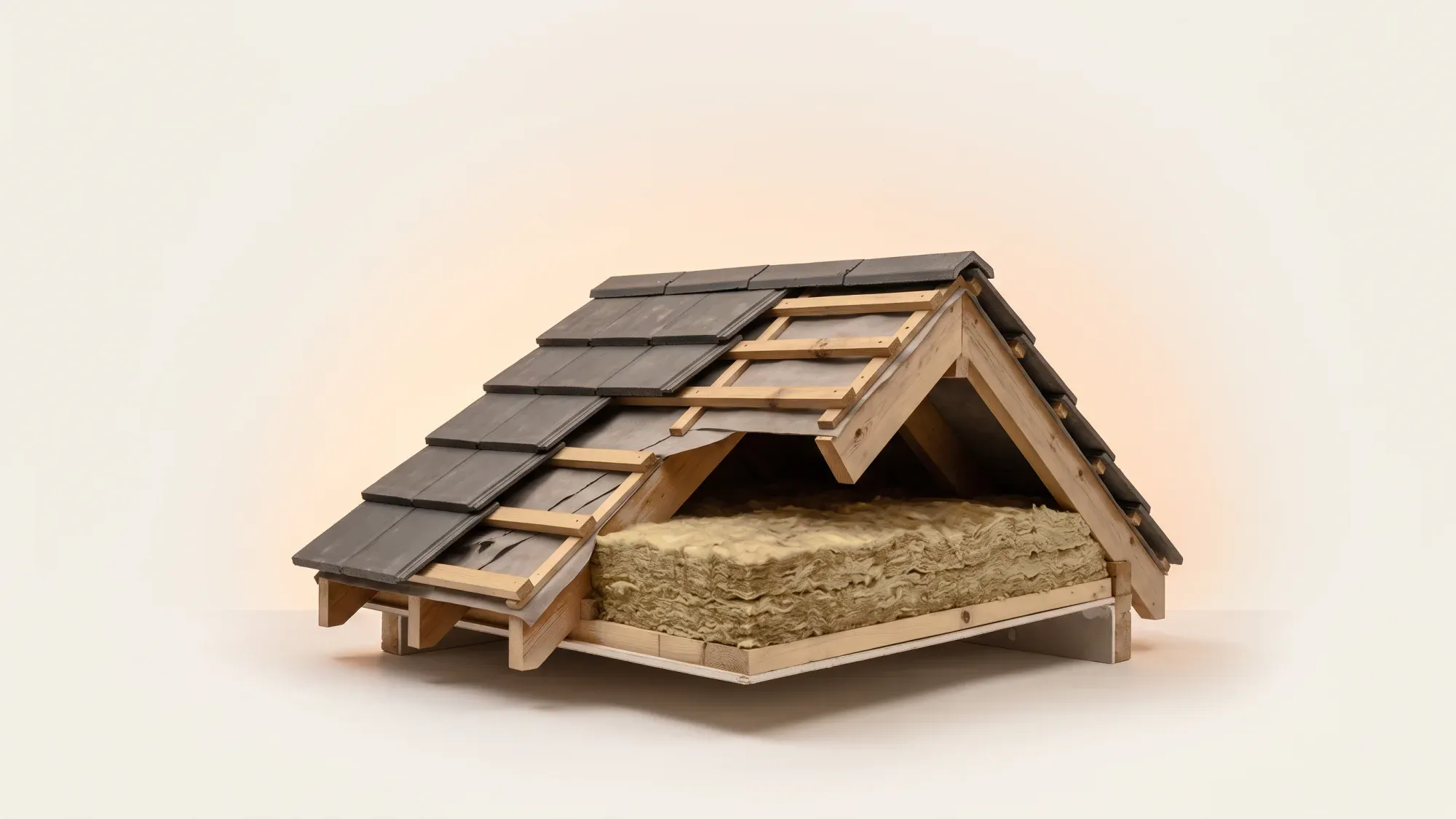
Loft insulation grants can significantly reduce heat loss, lower energy bills, and improve home comfort for UK pensioners. These government-backed initiatives, such as the Great British Insulation Scheme (GBIS) and the Energy Company Obligation (ECO4), often cover the full cost of installation for eligible households, helping to achieve warmth without financial strain.
Enter your address to get a quote and see how much you could save
Why loft insulation matters for pensioners
Reducing energy bills and improving comfort
Loft insulation acts like a protective layer, significantly reducing the amount of heat that escapes through your roof. Homes can lose around 25% of their heat through an uninsulated roof. By properly insulating your loft, you can keep more warmth inside your home, leading to lower energy consumption and noticeable reductions in heating bills. This is particularly beneficial for pensioners who may be on fixed incomes, making their homes more affordable to run and more comfortable year-round.
Health benefits of a warmer home
Maintaining a consistently warm home is crucial for health, especially for older individuals. Cold homes can exacerbate existing health conditions and contribute to new ones. Improved loft insulation helps stabilise indoor temperatures, creating a healthier living environment. This reduces the risk of cold-related illnesses and improves overall well-being.
Understanding UK loft insulation grant schemes
The UK government offers several schemes to help households improve their energy efficiency, with a focus on vulnerable groups, including pensioners. These initiatives aim to combat fuel poverty and reduce carbon emissions.
The Great British Insulation Scheme (GBIS)
The GBIS is designed to help a wider range of households with energy efficiency upgrades, including loft insulation. It aims to reduce energy bills and carbon emissions by providing grants for home insulation.
The Energy Company Obligation (ECO4)
The ECO4 scheme primarily targets low-income and vulnerable households, providing grants for various energy-saving measures. This scheme is administered by Ofgem and requires large energy suppliers to deliver energy-saving improvements to homes in Great Britain.
Local Authorities can also offer grants through schemes like the Local Authority Delivery (LAD) scheme, often targeting specific areas or demographics.
Eligibility for pensioners
Eligibility for loft insulation grants often depends on a combination of factors related to household income, receipt of certain benefits, and the energy efficiency of the property itself.
Income and benefit criteria
Pensioners receiving certain benefits, such as Pension Credit, are often eligible for 100% funding for loft insulation through government schemes. Other benefits that may qualify you include Universal Credit, Income Support, Jobseeker's Allowance (income-based), and Employment and Support Allowance (income-related). It's important to check the specific criteria for each scheme, as eligibility can vary.
Property requirements
Beyond personal circumstances, your property's characteristics also play a role in eligibility. Grants typically target properties with lower energy efficiency ratings, as these homes have the most to gain from improvements like loft insulation. The type of property and its existing insulation levels will be assessed during the application process.
Applying for a loft insulation grant
Navigating the application process for grants can seem daunting, but by following a clear step-by-step guide, you can make it more manageable.
Step-by-step application guide
- Check initial eligibility: Start by checking if you meet the basic criteria for government schemes like GBIS and ECO4, usually based on the benefits you receive and your property type.
- Gather documentation: Collect all necessary personal and property documentation. This typically includes proof of benefits and any existing energy performance certificates for your home.
- Contact an approved installer or local authority: To initiate the grant application, reach out to an approved installer or your local authority. They can guide you through the next steps.
- Arrange a home assessment: A qualified surveyor will need to conduct a home assessment to determine your insulation needs and confirm the suitability of your property for the grant.
- Review the offer and schedule installation: Once your grant is approved, review the offer and then schedule the insulation installation with an approved contractor.
Finding approved installers
It's crucial to work with reputable and approved installers to ensure the quality and safety of the work. Your local authority or the scheme administrators can provide lists of accredited contractors in your area. Always verify an installer's credentials before proceeding.
Beyond insulation: maximising energy savings
Securing a loft insulation grant is a significant step towards a warmer home and lower bills. However, there are further actions you can take to maximise your energy savings and comfort once your insulation is installed.
Optimising your energy tariff
With improved insulation reducing your overall energy consumption, it's an ideal time to review your energy tariff. Switching to a competitive tariff that suits your new, lower usage patterns can lead to further savings. Consider comparing options to find a deal that offers the best value for your insulated home.
What is the Priority Services Register?
The Priority Services Register (PSR) is a free service provided by energy suppliers and network operators to help people in vulnerable situations. It offers extra support during power cuts, gas supply interruptions, or other energy-related issues, such as advance notice of planned outages or alternative heating and cooking facilities if needed.
Smart energy management
After insulation, smart energy management tools can help you monitor and control your energy usage more effectively. These tools can provide insights into your consumption habits, allowing you to make informed decisions to save even more. For instance, a user-friendly app can help you track your energy use and manage your account efficiently, complementing the savings achieved through improved home insulation.
Common questions answered
- What loft insulation grants are available for pensioners? The main government-backed schemes available are the GBIS and the ECO4. Local authorities may also offer additional grants.
- Am I eligible for free loft insulation as a pensioner? Eligibility often depends on whether you receive certain benefits, such as Pension Credit, and the energy efficiency of your property. Many pensioners on qualifying benefits can receive 100% funding.
- How do I apply for a loft insulation grant? The process typically involves checking your eligibility, gathering documents, contacting an approved installer or local authority, arranging a home assessment, and then reviewing the grant offer before installation.
- What benefits qualify me for loft insulation grants? Benefits like Pension Credit, Universal Credit, Income Support, Jobseeker's Allowance (income-based), and Employment and Support Allowance (income-related) are common qualifying benefits.
- How much can I save with loft insulation? By preventing up to 25% of heat loss through your roof, loft insulation can lead to substantial reductions in your energy bills and significantly improve the warmth and comfort of your home.
By securing a loft insulation grant, pensioners can significantly reduce their energy consumption, aligning with Fuse Energy's vision of making energy abundant and less of a financial burden. After insulation is installed, Fuse empowers customers to further maximise their energy savings and comfort through competitive tariffs and smart energy management tools. Fuse's user-friendly app allows customers to monitor their energy usage and manage their account efficiently, complementing the savings achieved through improved home insulation.
Disclaimer
For the avoidance of doubt, this article is provided for informational purposes only and is not intended to constitute legal or financial advice. The author and/or Fuse Energy shall not be responsible for any losses arising out of any reliance on the information contained herein.