Load management EV charging explained
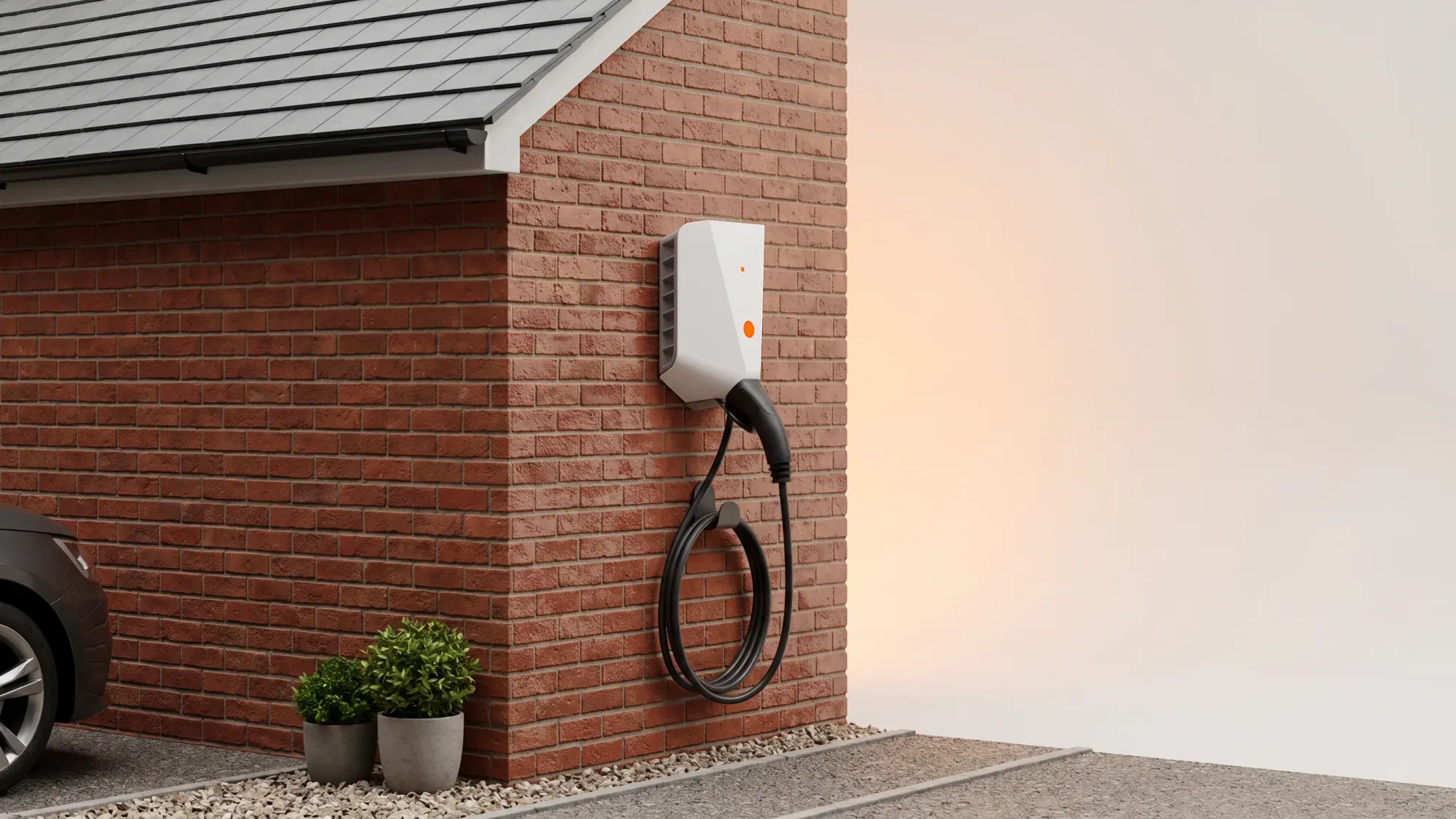
For homeowners with an electric vehicle (EV), understanding how to charge efficiently and affordably is key to making the most of their investment. Load management for EV charging is not just a technicality; it is a strategic advantage that puts you in control of your home energy and costs. It is a power play that transforms a necessity into a path for significant savings and stability.
What is EV charging load management?
Load management for EV charging is a smart system that controls how and when your electric vehicle charges at home. It ensures your EV charges without overwhelming your home's electrical system or the wider electricity grid. This intelligent approach prevents electrical overloads and optimises energy consumption, which is especially important with the increasing demand from EVs.
Understanding the basics of EV charging
Charging an EV at home typically involves plugging into a dedicated charge point. While convenient, these chargers draw significant power. A high-power home charger, for instance, can add a considerable load to your household electricity supply. Without proper management, this can lead to issues like frequent consumer unit trips or, in some cases, necessitate costly electrical upgrades.
Why load management matters for your home and the grid
Load management is crucial for several reasons. For your home, it safeguards your electrical system, preventing potential hazards and tripped consumer units. For the broader electricity grid, it helps maintain stability by spreading out demand, reducing strain during peak times. This is particularly relevant in the UK, where smart charge points became mandatory for most private EV chargers sold from 30 June 2022, specifically to manage grid demand and encourage off-peak charging.
How dynamic load balancing works
Dynamic load balancing is the most advanced form of EV charging load management. It intelligently monitors your home's real-time electricity consumption and adjusts the power supplied to your EV charger accordingly. This ensures your EV charges as quickly as possible without exceeding your property's total electrical capacity.
Static vs dynamic load management
Static load management involves setting a fixed maximum power limit for your EV charger, regardless of other household electricity use. This can be restrictive, as it might slow down charging unnecessarily when other appliances are off. Dynamic load management, by contrast, is flexible. It continuously assesses the available power in your home and dynamically adjusts the EV charging rate. If you switch on a high-power appliance like an electric shower or oven, the EV charger's power draw might temporarily reduce. Once those appliances are off, the charger automatically ramps back up.
Key components of a load management system
A typical dynamic load management system for EV charging includes:
- A smart EV charger: This is the core unit, capable of communicating with your home's energy system.
- An energy meter or sensor: Installed at your home's main incomer, this device monitors your total electricity consumption in real-time.
- Communication protocols: These allow the charger and sensor to exchange data, often via Wi-Fi or a dedicated cable.
- Control software: Usually accessed via a smartphone app, this allows you to set preferences, monitor charging, and override settings if needed.
Benefits for UK homeowners
Implementing load management for your EV charger offers several significant advantages, from enhanced safety to substantial cost savings.
Preventing electrical overloads and ensuring safety
The primary benefit of load management is preventing your home's electrical system from being overloaded. Without it, simultaneously running an EV charger and other high-demand appliances could trip your consumer unit or, in extreme cases, cause electrical damage. Load management ensures that your EV charges safely within your home's existing electrical capacity, protecting your appliances and providing peace of mind.
Maximising cost savings with off-peak charging
Charging an EV during off-peak hours can significantly reduce your electricity bills. Many UK energy tariffs, especially off-peak tariffs, offer cheaper rates during periods of lower demand, typically overnight. Load management systems can be programmed to automatically charge your EV during these cheaper windows, ensuring you benefit from the lowest possible electricity prices. This intelligent scheduling, combined with Fuse's off-peak tariffs, maximises cost savings by enabling EV charging during the cheapest, off-peak periods.
Avoiding costly DNO upgrades
Installing an EV charger adds a significant load to your home's electricity supply. Distribution Network Operators (DNOs), who manage the local electricity grid, must be notified of all EV charger installations to ensure the network can safely handle the increased demand. Notifying the DNO is a legal requirement under UK Wiring Regulations (BS 7671) and the Energy Networks Association (ENA) process for low-carbon technologies. If your home's existing electrical capacity is insufficient, the DNO might require an expensive upgrade to your main Fuse or service cable. Load management can often mitigate the need for such upgrades by intelligently distributing power within your home's existing capacity, allowing you to charge your EV without incurring unnecessary DNO costs.
Can load management help avoid DNO upgrades for EV chargers?
Yes, load management can significantly reduce the likelihood of needing costly DNO upgrades. By dynamically adjusting the power supplied to your EV charger based on your home's real-time electricity usage, it ensures you stay within your existing electrical capacity, often negating the need for an expensive service upgrade from your Distribution Network Operator.
Addressing common concerns
Homeowners often have questions about how load management might impact their EV charging experience. Here, we address the most frequent concerns.
Does load management slow down charging?
A common misconception is that load management will drastically slow down EV charging. While dynamic load balancing may temporarily reduce the charging rate when other high-power appliances are in use, it prioritises charging when electricity is cheapest and most abundant. The system is designed to ensure your EV is charged and ready when you need it, without compromising your home's electrical safety or incurring high costs. The overall impact on your charging time is often minimal, especially when charging overnight.
Does dynamic load management significantly slow down EV charging?
No, dynamic load management typically does not significantly slow down EV charging. While it may temporarily reduce the charging rate when other high-power appliances are active, it intelligently optimises power delivery. This ensures your EV charges efficiently within your home's capacity, often during off-peak hours, so your vehicle is ready when needed without causing electrical issues.
Compatibility with existing EV chargers and smart home systems
Many modern EV chargers come with integrated smart features and load management capabilities. For older chargers, external load balancing devices can often be retrofitted. Compatibility with existing smart home systems varies, but many smart chargers offer APIs or integrations with popular energy management platforms. The Electric Vehicles (Smart Charge Points) Regulations 2021, which came into effect in Great Britain on 30 June 2022, ensure that new private charge points have smart functionality and electricity supplier interoperability, making integration easier.
Implementing load management for your EV charger
Taking control of your EV charging means understanding your home's energy use and choosing the right tools.
Assessing your home's electrical capacity
Before installing an EV charger, it's wise to assess your home's current electrical capacity. A qualified electrician can evaluate your consumer unit and main Fuse to determine the maximum available power. This assessment helps inform the type of charger you can install and whether load management will be essential from day one.
Choosing the right smart EV charger
When selecting an EV charger, look for models with integrated smart features and load management capabilities. These chargers are designed to comply with UK regulations and offer the flexibility to optimise your charging. Fuse's app can integrate with smart chargers to provide real-time control and visibility over EV charging, aligning with the desire for transparency and control over your energy consumption.
Integrating with your energy tariff and smart meter
To maximise the benefits of load management, ensure your smart EV charger is connected to your home's smart meter and energy management system. This integration allows the charger to access real-time energy data and align its operation with your energy tariff, especially if you're on an off-peak tariff. Setting charging preferences within your charger's app to align with off-peak energy tariffs is key to unlocking significant savings.
Monitoring and optimising your charging
Once your load management system is in place, regularly monitor your EV charging patterns and overall home energy usage. Many smart charger apps and energy management platforms provide detailed insights into your consumption and costs. This data empowers you to fine-tune your charging preferences, ensuring you're always getting the cheapest, cleanest energy possible and making the most of your "power to play with."
Disclaimer
For the avoidance of doubt, this article is provided for informational purposes only and is not intended to constitute legal or financial advice. The author and/or Fuse Energy shall not be responsible for any losses arising out of any reliance on the information contained herein.