Solar panel leasing explained
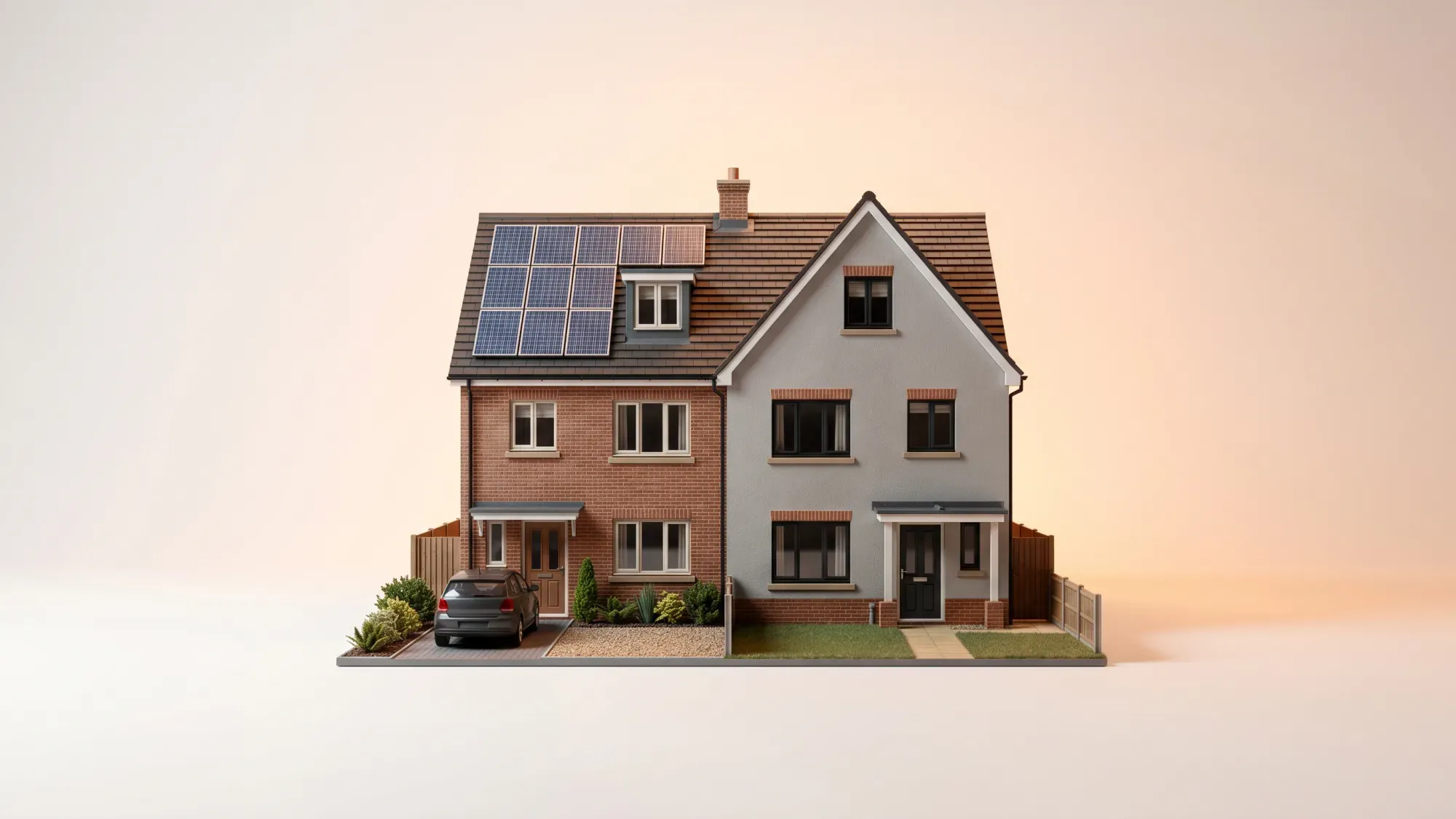
Leasing solar panels offers UK homeowners a clear path to harnessing solar energy without the hefty upfront costs. This approach allows you to benefit from cleaner energy and potentially lower electricity bills, shifting the balance of power into your hands without a prohibitive initial investment.
What is a solar panel lease?
A solar panel lease is an agreement where a third-party company installs and owns a solar energy system on your property. You pay a regular fee for the use of the panels and the electricity they produce, without the upfront cost of purchasing the system. The provider is typically responsible for maintenance and performance.
What is solar panel leasing?
Solar panel leasing is an arrangement where a homeowner pays a monthly fee to a solar provider to have a solar energy system installed and maintained on their property. Unlike purchasing, you do not own the panels; instead, you pay for the electricity they generate or a fixed monthly rental fee. This model makes solar energy accessible by removing the significant initial investment typically associated with buying a system outright.
How a solar panel lease works
When you lease solar panels, a third-party company owns, installs, and maintains the solar energy system on your roof. You then pay them a regular fee for the use of the panels and the electricity they produce. This fee can be fixed or increase over time, depending on the terms of your contract. Lease agreements can often span many years, typically between 10 and 25 years. The solar provider is responsible for ensuring the system functions correctly, including any necessary repairs or maintenance.
Key components of a lease agreement
A solar lease agreement will outline several crucial details. These include the monthly payment structure, the duration of the lease, and responsibilities for maintenance and repairs. It should also specify performance guarantees, detailing what happens if the panels do not generate the expected amount of electricity. Crucially, the agreement will clarify who owns the system (the leasing company) and who benefits from any government incentives, such as the Smart Export Guarantee (SEG). In a lease arrangement, the SEG benefit typically goes to the system owner, not the homeowner.
Benefits of leasing solar panels
Leasing solar panels offers several advantages, particularly for UK homeowners looking to reduce their energy bills and carbon footprint without a large initial outlay.
No upfront costs
One of the most significant benefits of leasing is the elimination of substantial upfront installation costs. This removes a major barrier for many homeowners who might otherwise be deterred by the investment required to purchase a solar system outright. The leasing company covers the cost of equipment and installation, making solar energy immediately accessible.
Maintenance and repairs included
Under a typical lease agreement, the solar provider retains ownership of the panels and is responsible for their maintenance and any necessary repairs. This means you will not have to worry about unexpected costs if a panel needs replacing or the system requires servicing. This can provide peace of mind and ensure the system operates efficiently throughout the lease term.
Predictable energy bills
Leasing can lead to more predictable energy expenses. You pay a fixed monthly fee for the solar panels, which can help stabilise your overall energy costs, especially if your lease payments are less than the savings you make on your electricity bill. This predictability can be a strategic "power play" for homeowners seeking greater control over their household budget. The average UK home uses around 2,700 kWh of electricity per year1.
Drawbacks and considerations
While leasing offers clear benefits, it also comes with potential drawbacks that UK homeowners should carefully consider.
Long-term commitment
Solar panel leases are long-term contracts, which can often span many years, typically between 10 and 25 years. This represents a significant commitment, and it is essential to understand the terms for the entire duration. Early termination clauses can involve substantial penalties.
Impact on property value and sale
A leased solar system can complicate the sale of your home. The lease agreement is tied to the property, meaning the new homeowner typically has to take over the contract. Some buyers may view this as an encumbrance, potentially affecting property value or saleability. Mortgage lenders may also have specific requirements or concerns regarding leased solar panels, which could impact remortgaging or securing a new mortgage.
Limited financial incentives
In a leasing arrangement, the solar provider, as the system owner, typically benefits from financial incentives such as the SEG. This means that while you benefit from reduced electricity bills, you generally will not receive payments for any excess electricity your panels export to the grid.
Leasing vs buying vs power purchase agreements (PPAs)
Understanding your options for going solar is crucial. Leasing, buying, and Power Purchase Agreements (PPAs) each offer a different approach to ownership and financial structure.
Understanding your ownership options
- Leasing: With a lease, you pay a monthly fee for the use of the solar panels, but the leasing company retains ownership. They are responsible for installation, maintenance, and performance.
- Buying (outright purchase): You purchase the solar panels and own them entirely. This gives you full control over the system and all generated electricity, as well as eligibility for any incentives like the SEG.
- Power purchase agreements (PPAs): A PPA is similar to a lease in that a third party owns and maintains the system on your roof. However, instead of paying a fixed monthly lease fee, you agree to buy the electricity generated by the panels at a predetermined rate, usually lower than grid electricity prices.
Financial implications compared
- Leasing: Offers minimal or no upfront costs, predictable monthly payments, and no maintenance expenses. However, you do not own the asset and typically do not receive SEG payments.
- Buying: Requires a significant upfront investment, but you gain full ownership, potential for higher long-term savings, and eligibility for all available incentives. You are responsible for maintenance.
- PPAs: No upfront costs, and you benefit from lower, fixed electricity rates. The system owner handles maintenance. Like leasing, you do not own the panels or typically receive SEG payments.
Flexibility and control
- Leasing: Offers less flexibility due to long-term contracts and the inability to make significant changes to the system. Selling your home can also be more complex.
- Buying: Provides maximum flexibility and control over your system, including upgrades and modifications. Selling your home is generally simpler as the panels are an owned asset.
- PPAs: Offers more flexibility than a lease in terms of energy consumption, as you only pay for the electricity you use from the panels. However, you still lack ownership and control over the system itself.
Navigating your solar lease agreement
A solar lease is a significant commitment, so careful review of the agreement is essential to protect your interests.
Reviewing contract terms and exit clauses
Before signing, thoroughly examine all contract terms. Pay close attention to the lease duration, monthly fees (and any potential increases), and the specifics of maintenance and performance guarantees. Crucially, understand the exit clauses: what are the conditions and costs for early termination, and how does the lease transfer if you sell your property?
Consumer protection and regulatory bodies
In the UK, solar panel installations should be carried out by installers certified under the Microgeneration Certification Scheme (MCS). This ensures quality and adherence to industry standards. Homeowners should also be aware of their consumer rights and protections under UK law when entering into long-term contracts. Ofgem, the UK's energy regulator, provides oversight of the energy market, which can indirectly affect lease terms and consumer safeguards.
What happens at the end of the lease?
At the end of a typical lease term, you usually have a few options: you might be able to extend the lease, purchase the solar panels from the provider, or have the company remove the system. Understanding these options and any associated costs from the outset is vital for long-term planning.
Is leasing solar panels right for you?
Deciding whether to lease solar panels involves assessing your personal circumstances and energy goals.
Assessing your energy needs and goals
Consider your household's electricity consumption. The average UK home uses around 2,700 kWh of electricity per year. Evaluate how much of this could be offset by solar generation and if the potential savings outweigh the lease payments. Think about your long-term plans for your property and whether a lease aligns with them.
Making an informed decision for your home
Leasing solar panels can be a strategic move to reduce energy bills and contribute to a greener future without a large upfront investment. However, it is a decision that requires careful consideration of the long-term commitment, impact on property value, and comparison with other options like buying or PPAs. By understanding all aspects, you can make an informed "power play" that suits your home and financial situation.
Fuse Energy does not currently offer solar panel leasing services; however, we provide financing options for home energy upgrades, including outright solar panel purchases. We believe in empowering you with transparent pricing, real-time usage data, and 24/7 human customer support, so you can make the best energy choices for your home. Switching to Fuse is quick and easy, putting you in control of your energy bills from day one.
References
Disclaimer
For the avoidance of doubt, this article is provided for informational purposes only and is not intended to constitute legal or financial advice. The author and/or Fuse Energy shall not be responsible for any losses arising out of any reliance on the information contained herein.