Solar panel kit for your home
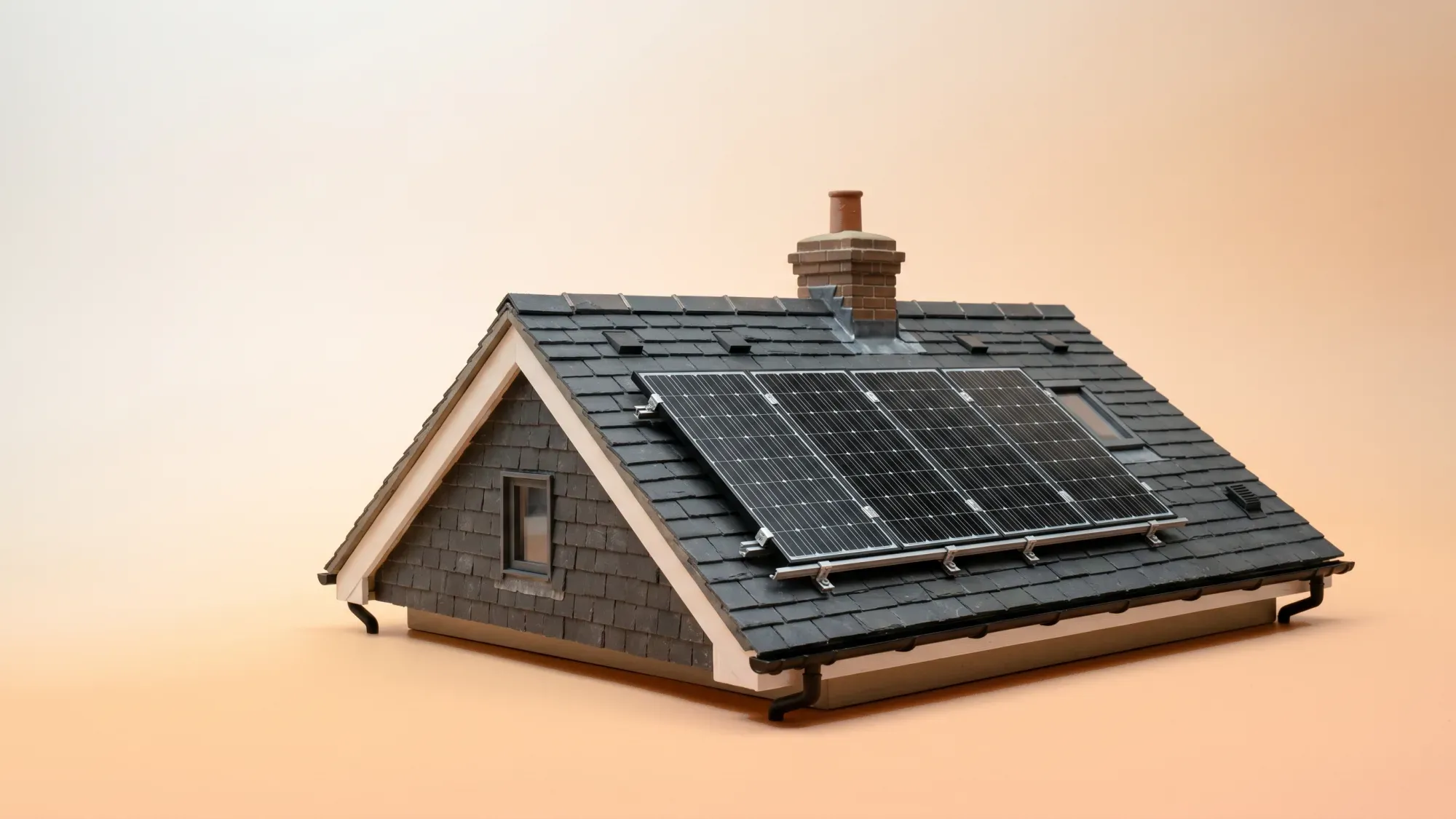
Installing a solar panel kit can significantly reduce your electricity bills and give you more control over your home's energy. These systems offer a direct way to generate your own power, lessening reliance on the grid and contributing to a more resilient energy system.
What is a solar panel kit?
A solar panel kit is a pre-assembled package containing the core components needed to generate electricity from sunlight. It simplifies the process of acquiring a solar power system, making it more accessible for homeowners.
Key components of a solar panel kit
Most solar panel kits include the solar panels themselves, an inverter to convert the direct current (DC) electricity from the panels into alternating current (AC) for household use, a charge controller for battery-based systems, and mounting hardware for installation. Some kits also come with batteries for energy storage, and all the necessary cabling and connectors.
Benefits for homeowners
For homeowners, solar panel kits offer compelling advantages. They can substantially reduce your reliance on grid electricity, leading to lower energy bills. Generating your own power also fosters greater energy independence, giving you more control over your home's energy supply. This shift is a strategic 'power play' for homeowners, moving the balance of energy control into their own hands. You can learn more about the wider benefits of solar panels for homeowners.
Types of solar panel kits for your home
The market offers various solar panel kits, each suited to different needs and installation complexities. Understanding these types is crucial for choosing the right system for your home.
On-grid solar kits
On-grid solar kits are designed to connect directly to the national electricity grid. Any excess electricity you generate that your home doesn't use can be exported back to the grid, potentially earning you money through schemes like the Smart Export Guarantee (SEG). These systems typically do not include batteries, as they rely on the grid for backup power.
Off-grid solar kits
Off-grid solar kits are self-contained systems that operate independently of the National Grid. They are ideal for remote properties, sheds, or caravans where grid connection is unavailable or too costly. These kits always include batteries to store excess energy for use when the sun is not shining, and a charge controller to manage battery charging.
Hybrid solar kits
Hybrid solar kits combine elements of both on-grid and off-grid systems. They connect to the National Grid but also include battery storage. This setup allows homeowners to store excess solar energy for their own use, reducing imports from the grid, while still having the grid as a backup. They offer a balance of energy independence and reliability.
Plug-in solar kits: understanding the nuances
Plug-in solar kits, sometimes marketed as 'micro-inverter' or 'balcony' solar, are designed for simpler installation, often connecting directly to a wall socket. However, their legal and safety status in the UK is nuanced. While some are sold, all grid-connected solar installations, including these, require notification to your local Distribution Network Operator (DNO). Full, widespread approval for direct wall-socket connection without specific safety measures is not yet established in the UK, so it is essential to understand these regulatory requirements before considering such a system.
Regulations and requirements for solar kits
Navigating UK-specific regulations is crucial for a safe and compliant solar kit installation. Ignoring these can lead to safety hazards, fines, or issues with your energy supplier.
Distribution network Operator (DNO) approval
All grid-connected solar installations in the UK, including those using solar panel kits, require notification to the local DNO. This is not optional. For systems up to 16amperes per phase, which typically equates to around 3.68 kW for a single-phase supply, a G98 notification form is usually required. For larger systems, a G99 application is needed. Your DNO needs to ensure your system will not negatively impact the local electricity network.
Planning permission for solar panels
For most domestic properties in England, planning permission for solar panels is generally not required, as they are considered 'permitted development'. However, this can change if your property is a listed building, in a conservation area, or if the panels significantly alter the building's appearance. Always check with your local planning authority if you are unsure.
Electrical safety and Competent persons schemes
Any electrical work, especially connecting to your home's electrical system or the grid, must comply with stringent safety standards. While some mechanical aspects of a solar kit installation might be DIY-friendly, electrical connections typically require a qualified electrician. They should be registered with a Competent Person Scheme (CPS), such as NICEIC or NAPIT, ensuring their work meets Building Regulations, particularly Part P for electrical safety. This protects your safety and ensures your installation is certified.
Choosing the right solar panel kit
Selecting the appropriate solar panel kit involves understanding your energy needs, the system's capacity, and the quality of its components.
Assessing your energy needs
Before buying a kit, assess your home's electricity consumption. The average UK home uses around 2,700 kWh of electricity per year. Understanding your daily and annual usage helps determine the size of the solar system you need. Look at your past electricity bills for this data.
How much electricity does the average UK home use?
The average UK home consumes approximately 2,700 kilowatt-hours (kWh) of electricity annually.1 This figure is a median, meaning half of UK homes use more and half use less, and it serves as a useful baseline for sizing a solar panel system to meet typical household demand.
System sizing and capacity
Solar kits are typically rated by their peak power output in watts (W) or kilowatts (kW). A 1kW system might be sufficient for basic needs or supplementing a small portion of your usage, while a 4kW system could cover a significant portion of an average family home's electricity demand. Oversizing your system without a plan for excess generation (like battery storage or SEG export) can be inefficient.
Component quality and warranties
The quality of solar panels, inverters, and other components varies significantly. Look for panels with good efficiency ratings and long performance warranties, often lasting 20 to 30 years. Inverter warranties are typically shorter, ranging from 5 to 12 years, but are critical for system performance. Reputable manufacturers offer better support and more reliable products.
Installation: DIY or professional?
The decision to self-install or hire a professional depends on your skills, the kit's complexity, and crucially, safety and regulatory requirements.
Self-installation feasibility and safety considerations
Some smaller, off-grid solar kits, like those for sheds or campervans, are designed for DIY installation. However, for grid-tied systems, particularly those involving roof work and electrical connections to your home's consumer unit, self-installation presents significant safety risks. Working at height, handling electrical currents, and ensuring watertight roof penetrations all require specific expertise. Incorrect installation can void warranties, create fire hazards, or lead to electrocution.
When to hire a professional installer
For any grid-connected system, or if you are uncomfortable with electrical work or roof safety, hiring a professional installer is highly recommended. They ensure the system is installed safely, correctly, and in compliance with all UK regulations, including DNO notification and electrical safety standards. Professionals also provide the necessary certification for your installation, which is often required for insurance and SEG eligibility.
Post-installation checks and certification
Once installed, a qualified electrician must inspect and certify any grid-connected system. This includes an Electrical Installation Certificate (EIC) to BS 7671 and ensuring DNO notification is complete. Without proper certification, you may struggle to connect to the grid or access export payments. MCS certification is also essential for SEG eligibility.
Financial benefits and export opportunities
Investing in a solar panel kit can offer substantial financial benefits, from direct savings on your bills to earning money from exported electricity.
Reducing your electricity bills
By generating your own electricity, you directly reduce the amount you need to buy from your energy supplier. This means lower monthly bills and greater protection against rising energy prices. The more electricity your system generates and you consume, the more you save.
The Smart Export Guarantee (SEG)
The SEG allows eligible homeowners to receive payments for electricity they export to the grid. If your solar panels generate more power than your home uses, that surplus energy is fed back into the National Grid, and your energy supplier pays you for it. SEG rates vary between suppliers, so it is worth comparing offers. You can find out more about understanding the SEG.
Return on investment and long-term savings
While the initial outlay for a solar panel kit can be significant, the long-term savings and potential SEG earnings can lead to a healthy return on investment. Solar panels typically have a lifespan of 25 to 30 years, providing decades of reduced energy costs. This makes a solar panel kit a strategic investment in your home's financial future and energy independence.
References
Disclaimer
For the avoidance of doubt, this article is provided for informational purposes only and is not intended to constitute legal or financial advice. The author and/or Fuse Energy shall not be responsible for any losses arising out of any reliance on the information contained herein.