Is your roof suitable for solar panels?
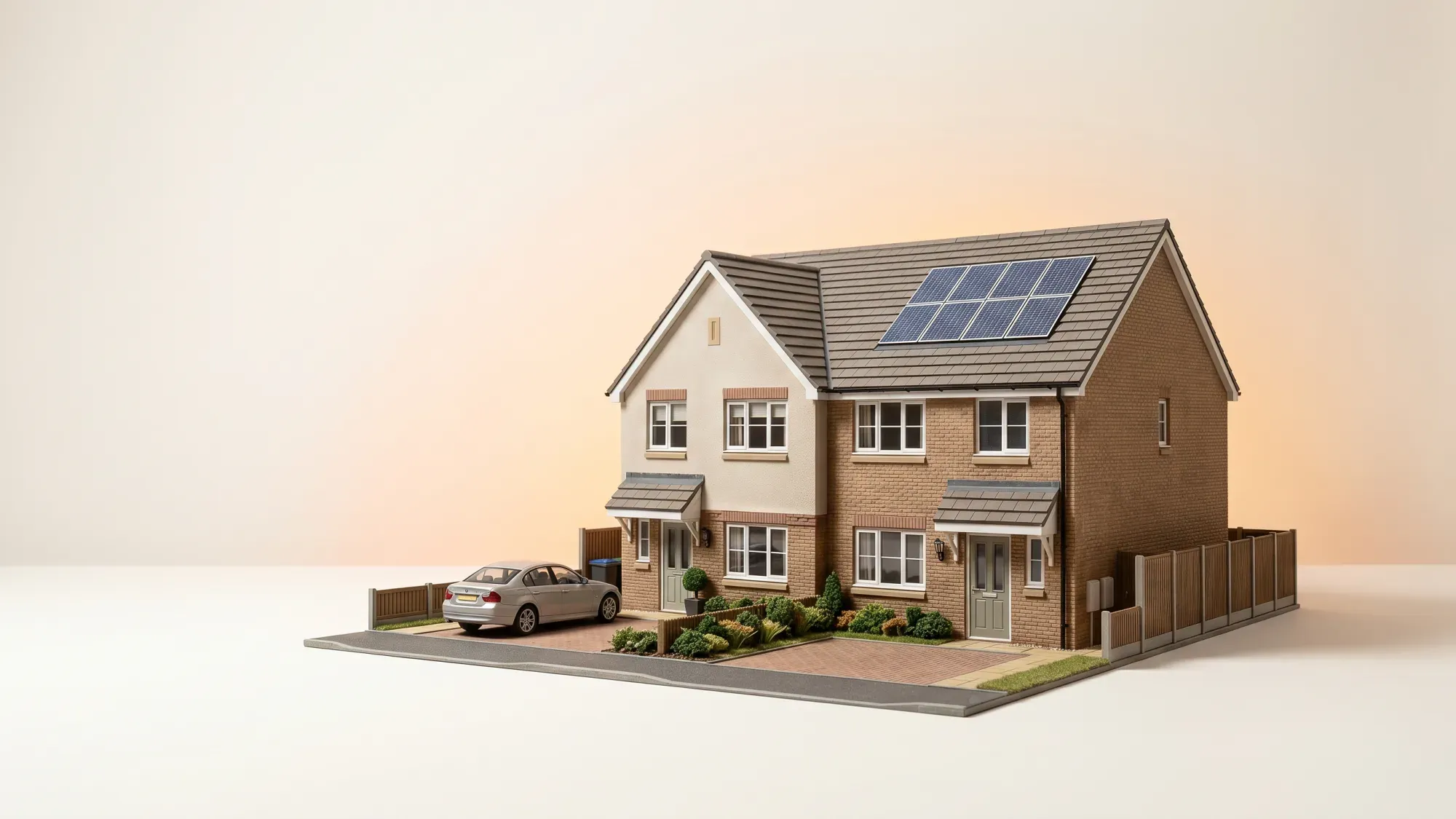
Assessing your roof's potential for solar panels involves several key factors, from its orientation to its structural integrity. For homeowners in the UK, understanding these elements is crucial to ensure a worthwhile investment and maximise energy savings. This guide provides practical advice to help you evaluate your roof's suitability for solar energy.
Roof orientation and pitch
The direction your roof faces and its angle are fundamental to how much electricity your solar panels will generate. In the UK, south-facing roofs are generally the most efficient, as they receive the most direct sunlight throughout the day, leading to the highest annual output. However, east and west-facing roofs can also provide viable energy yields, often generating 80-90% of the output of a south-facing system. Installing panels on both east and west-facing slopes can offer a more balanced energy profile, capturing morning and evening light. North-facing roofs are typically the least efficient and are generally avoided unless other options are unavailable.
The optimal roof pitch for solar panels in the UK typically ranges between 30 and 40 degrees for maximum annual generation. This angle effectively balances capturing the lower winter sun with the higher summer sun. Many UK roof pitches naturally fall within this range, making them well-suited for solar installations.
Shading assessment
Even minor shading can significantly reduce solar panel efficiency. Obstructions like trees, chimneys, or adjacent buildings can cast shadows on your roof at different times of the day and year, drastically impacting the panels' performance. It is essential to assess potential shading throughout the day and across seasons to identify the most consistently unshaded areas of your roof. Consistent sunlight is key; even a small amount of shade on one panel can affect the output of an entire string of panels.
Roof structural integrity
Your roof's ability to safely support the additional weight of solar panels is critical. Solar panels add approximately 15-20 kg per square metre to a roof's load. While most modern pitched roofs can comfortably handle this, a professional structural assessment is always recommended to confirm your roof's strength and robustness. The age and overall condition of your roof are also important considerations; installing panels on an old or damaged roof could lead to costly repairs or replacements shortly after installation.
Roof material and age
The material of your roof can influence the ease and method of solar panel installation. Most common roofing materials, such as slate or tile, are compatible with standard mounting systems. However, certain materials or older roofing types might require specialised mounting techniques or additional reinforcement. It is crucial to ensure your roof is in good condition and has a sufficient remaining lifespan to match that of the solar panels, which typically last for decades.
Available roof space
Estimating the available, unshaded roof space is vital for determining how many solar panels you can install and, consequently, how much electricity you can generate. A typical solar panel measures around 1.7 to 2 square metres. A 4kW solar panel system, suitable for 1-3 people, might require approximately 20-26 square metres of roof space. If your roof space is limited, higher-wattage, more efficient panels can help maximise electricity generation from a smaller area.
Understanding UK planning permission
Installing solar panels in the UK is generally straightforward, but specific regulations apply, particularly for certain property types or locations.
Permitted development rights
For most domestic properties in England and Wales, solar panel installations are considered 'permitted development'. This means you typically do not need to apply for full planning permission from your local council. However, conditions must be met, such as panels not protruding more than 200mm from the roof surface and not being installed above the highest part of the roof (excluding the chimney). It is always advisable to check with your Local Planning Authority (LPA) to confirm the current legislation applicable to your property.
Listed buildings and conservation areas
If your property is a listed building or located within a conservation area, the rules are stricter. While solar panels can still be installed, you will likely need planning permission, and for listed buildings, Listed Building Consent may also be required. These regulations aim to preserve the architectural or historic character of the area or building. In conservation areas, panels generally cannot be installed on a wall that faces a public road. It is essential to consult your LPA early in the process if your property falls into one of these categories.
DIY preliminary roof assessment
Before seeking professional help, you can conduct a preliminary assessment of your roof's suitability using simple tools and observations.
Checking orientation and pitch
You can use a compass app on your smartphone to determine your roof's orientation. Stand in your garden or on an upper floor and point the phone towards the main roof slope. For pitch, while a precise measurement requires specialist tools, you can often estimate it by comparing it to common roof angles in your area or by using online visual guides. Remember, south-facing is ideal, but east and west can also be effective.
Identifying shading obstructions
Observe your roof throughout the day, particularly in the morning, at midday, and in the late afternoon. Note any trees, chimneys, or neighbouring buildings that cast shadows on your roof. Consider how these shadows might change with the seasons. A clear, unobstructed section of roof is crucial for optimal solar panel performance.
Visual roof inspection
Visually inspect your roof's condition from the ground or an upstairs window. Look for any signs of damage, such as missing tiles, sagging, or excessive moss growth. Consider the age of your roof; if it is nearing the end of its lifespan, it might be more cost-effective to repair or replace it before installing solar panels.
The importance of a professional survey
Even after a thorough DIY assessment, a professional survey is indispensable for a successful solar panel installation.
What a professional survey covers
A professional survey will include a detailed assessment of your roof's structural integrity, material compatibility, and precise measurements for optimal panel placement. They will also conduct a comprehensive shading analysis and confirm the most efficient layout for your specific roof. This survey ensures technical feasibility and structural suitability, safeguarding your investment.
Choosing an MCS-certified installer
To qualify for government incentives like the Smart Export Guarantee (SEG), your solar panel installation must be carried out by an MCS-certified installer. MCS (Microgeneration Certification Scheme) certification is a quality assurance standard for solar panel installers in the UK, ensuring adherence to recognised industry standards for products and installation. This certification is essential for accessing benefits and ensuring a high-quality, compliant system. You can check an installer's MCS accreditation on the official MCS website.
Maximising your solar investment with Fuse
Once your solar panels are installed, the journey to energy independence and savings truly begins. Fuse Energy empowers homeowners to make the most of their solar investment, turning their roof into an asset that generates 'power to play with'.
Earning from exported energy
With solar panels, you can generate more electricity than your home consumes, especially during peak sunlight hours. The SEG mandates that larger energy suppliers offer a tariff for electricity exported to the grid, allowing homeowners to earn from their surplus solar energy. Fuse Energy offers export tariffs, ensuring you are rewarded for every unit of clean energy you send back to the grid. This transforms your excess generation into tangible financial benefits, helping to offset your energy costs. You can learn more about the SEG on our blog.
Smart energy management
Fuse's app and smart tools provide transparent control over your energy. You can monitor your home consumption in real-time, helping you understand your energy patterns, and if connected, your solar generation. This insight allows you to optimise your energy usage, perhaps by running appliances when your panels are generating the most electricity, further reducing your reliance on grid power and maximising your savings. Understanding your energy bill can help you make informed decisions, giving you greater control over your energy and contributing to a cleaner, more abundant energy grid.
Next steps for your solar journey
Assessing your roof's suitability is the first major step. Here is how to move forward.
Getting quotes
Once you have a good understanding of your roof's potential, obtain quotes from several MCS-certified solar panel installers. They will conduct the professional survey and provide detailed proposals tailored to your property. Compare these quotes not just on price, but also on the quality of the panels, the warranty offered, and the installer's reputation.
Preparing for installation
Before installation, ensure any necessary planning permissions or consents are in place. Work with your chosen installer to understand the timeline and what to expect during the installation process. Remember, Fuse Energy does not offer solar panel installation services; this article focuses on helping you assess your roof and maximise the benefits once your panels are generating power.
Disclaimer
For the avoidance of doubt, this article is provided for informational purposes only and is not intended to constitute legal or financial advice. The author and/or Fuse Energy shall not be responsible for any losses arising out of any reliance on the information contained herein.