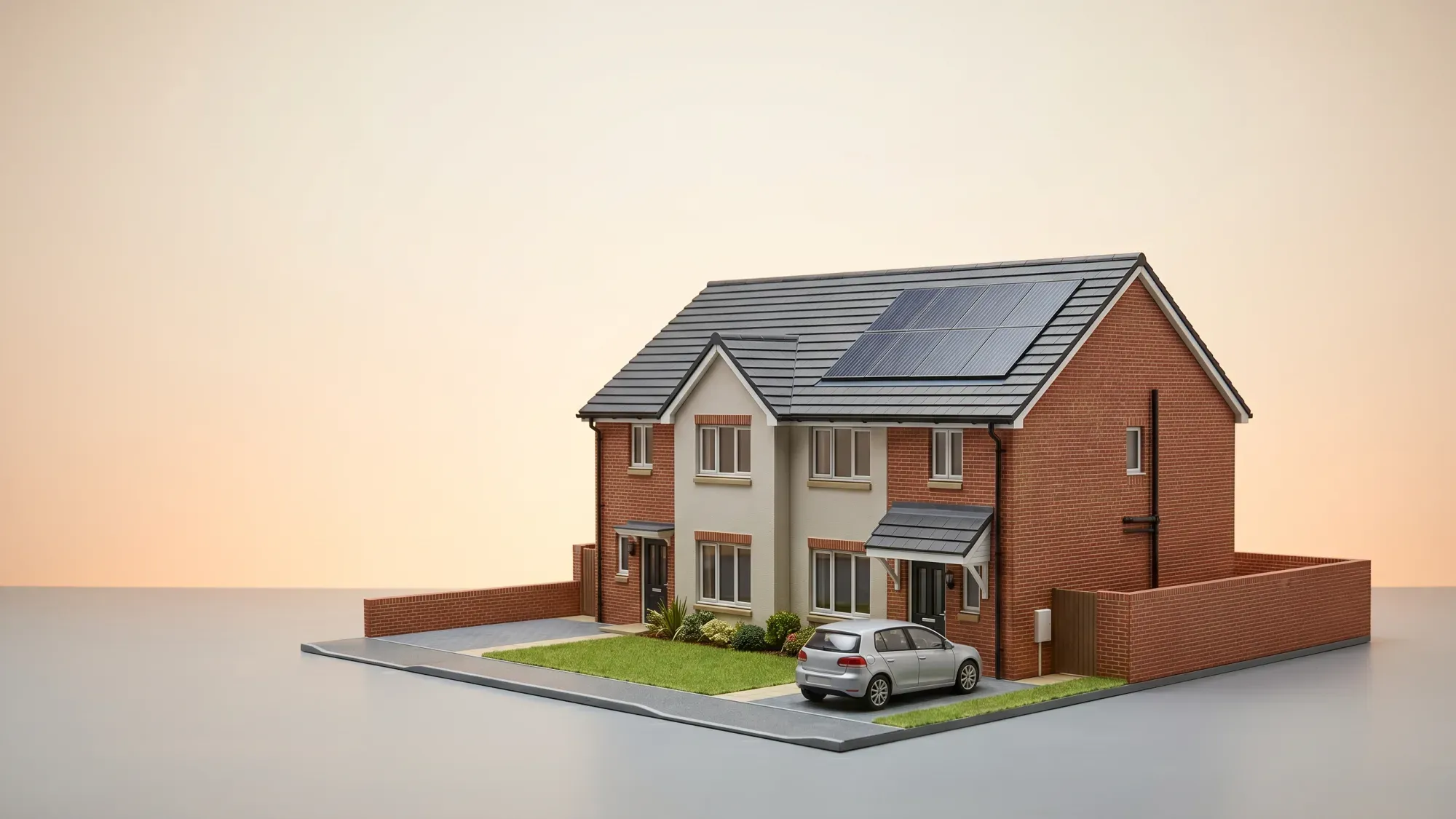
Considering solar panels for your home is a significant step towards energy independence and potentially lower bills. But before you dive in, it’s crucial to determine if your property is truly suitable. This guide will walk you through the key factors, from roof characteristics to financial considerations and regulatory requirements, helping you understand if solar power is a viable option for your UK home.
Key factors for solar panel suitability
The physical attributes of your roof are the primary determinants of solar panel effectiveness.
Roof orientation and pitch
The direction and angle of your roof significantly impact how much sunlight your panels will capture. South-facing roofs are generally considered optimal in the UK, as they receive the most direct sunlight throughout the day, leading to maximum efficiency. However, east and west-facing roofs can still be highly effective, often generating 80-90% of the output of a south-facing system. The ideal roof pitch for solar panels in the UK typically falls between 30 and 40 degrees, though panels can perform well across a wider range of angles.
Shading assessment
Even a small amount of shading can drastically reduce the output of your solar panels. Trees, chimneys, or neighbouring buildings casting shadows on your roof, especially during peak sunlight hours, can limit electricity generation. A thorough assessment of shading patterns throughout the day and across seasons is essential to ensure your panels receive adequate sunlight.
Roof condition and size
Your roof needs to be in good structural condition to support the weight of solar panels, which are relatively lightweight at around 18-22kg each. A professional survey will confirm its integrity. You also need sufficient roof space to accommodate the number of panels required to meet your energy needs. A typical three to four-bedroom home might require 10-16 panels, needing 20-30m² of roof space.
Understanding your energy needs
Before investing in solar, it's wise to understand your household's energy consumption.
Current consumption analysis
Knowing how much electricity your home uses is fundamental to sizing a solar system appropriately. The average UK home uses around 2,500 kilowatt-hours (kWh) of electricity per year, which translates to roughly 6.8 kWh per day1. You can find your specific consumption figures on your energy bills or through a smart meter.
Future energy requirements
Consider your future energy demands. Are you planning to purchase an electric vehicle (EV) or install an air source heat pump? These additions will increase your electricity consumption, and factoring them in now can help you design a solar system that meets your long-term needs.
Battery storage considerations
While not essential, adding battery storage to your solar setup allows you to store excess electricity generated during the day and use it later, for example, in the evenings. This maximises your self-consumption and reduces reliance on grid electricity, even when your panels aren't generating.
Planning permission and UK regulations
Navigating regulations can seem daunting, but most domestic solar installations are straightforward.
Permitted development rights
The good news is that most domestic solar panel installations in the UK do not require planning permission. They typically fall under 'permitted development rights', provided certain conditions are met. For instance, panels should not protrude more than 200mm from the roof or wall surface on pitched roofs and must not be installed above the highest part of the roof (excluding the chimney).
Listed buildings and conservation areas
Exceptions apply to properties with special status. If your home is a listed building, you will almost certainly need planning permission and potentially listed building consent. Homes in conservation areas or World Heritage Sites also have stricter rules, especially if the panels would be visible from a public highway. Always check with your local planning authority if your property falls into these categories.
MCS certification explained
The Microgeneration Certification Scheme (MCS) is a crucial quality assurance initiative for low-carbon energy technologies in the UK. Choosing an MCS-certified installer ensures that your solar panels and their installation meet high industry standards for quality, safety, and performance. Crucially, MCS certification is also a requirement for eligibility for government incentives like the Smart Export Guarantee (SEG).
Choosing a solar panel installer
Selecting the right installer is as important as assessing your roof.
Finding reputable installers
Always seek out MCS-certified solar panel installers. This certification is a mark of quality and competence, ensuring your system is installed correctly and safely. You can find a list of certified installers through the MCS website.
Comparing quotes and warranties
Obtain multiple quotes from different installers. Compare not just the overall cost, but also the system design, the quality of components, and the warranties offered on both the panels and the installation itself. Installation costs for a typical 4kWp solar PV system in the UK can range from £6,000 to £10,000, but this can vary based on roof type, location, and complexity.
The installation process overview
A typical solar panel installation involves several steps: an initial site survey, scaffolding erection, mounting the panels and inverter, electrical wiring, and finally, commissioning the system. A reputable installer will guide you through each stage, ensuring minimal disruption.
Financial aspects of solar panels
Understanding the financial picture is key to making an informed decision.
Installation costs and potential savings
While the initial outlay for solar panels can be substantial, with a 4kWp system costing between £6,000 and £10,000, the potential for long-term savings on your electricity bills is significant. Your savings will depend on your energy consumption, the size and efficiency of your system, and how much electricity you self-consume versus export to the grid.
Smart Export Guarantee (SEG) explained
The SEG is a government-backed scheme that pays you for any surplus renewable electricity you export back to the National Grid. Licensed electricity suppliers with 150,000 or more domestic customers are mandated to offer at least one SEG tariff. This provides an additional income stream, further enhancing the financial viability of solar panels. To qualify for SEG, your installation must be MCS certified and you'll typically need a smart meter capable of recording export readings.
Grants and funding opportunities
While large-scale grants for solar panels are less common than in the past, it's always worth researching any local or national funding opportunities that might be available. These can help offset the upfront costs and improve your return on investment.
Maximising your solar investment with Fuse Energy
Once your solar panels are installed, the journey to energy independence truly begins. Fuse Energy empowers solar homeowners to take control of their energy, turning their panels into a true asset.
Optimising energy use with smart tariffs
Fuse Energy helps you get more from your solar investment by offering competitive smart tariffs. These tariffs are designed to work seamlessly with your solar generation, allowing you to optimise your energy use and reduce your reliance on grid electricity.
Selling surplus energy to the grid
With Fuse, you can maximise your earnings from the SEG. We offer intelligent export options that ensure you get competitive rates for the surplus energy you sell back to the grid, turning your excess generation into tangible value.
The Fuse app for energy management
The Fuse app puts energy management at your fingertips. It provides clear insights into your generation and consumption, helping you understand your energy flows and make informed decisions to further reduce your bills and increase your energy independence.
For the avoidance of doubt, this article is provided for informational purposes only and is not intended to constitute legal or financial advice. The author and/or Fuse Energy shall not be responsible for any losses arising out of any reliance on the information contained herein.