Is DIY solar panel installation legal?
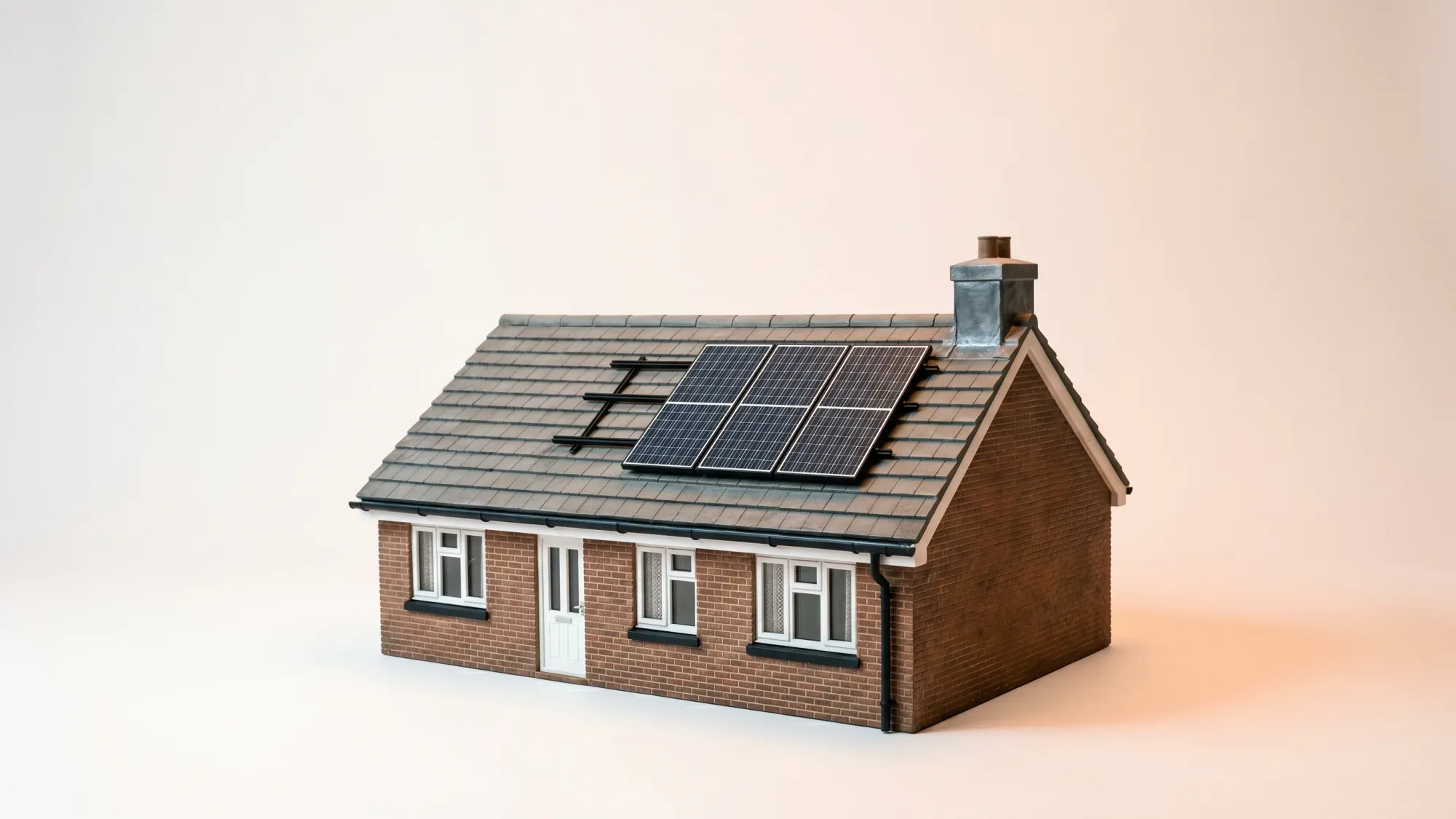
Installing solar panels yourself in the UK is legally permissible, but it is far from a simple task. While the idea of generating your own clean energy and gaining independence from traditional suppliers is appealing, the process is subject to a complex web of planning, building and electrical regulations. Fuse Energy acknowledges the homeowner's desire for control and self-sufficiency that drives DIY interest. We believe in empowering you with energy independence through professionally installed, compliant solar and battery systems, without the inherent complexities, risks and regulatory burdens of self-installation.
Understanding DIY solar panel legality
Is self-installation permitted?
Yes, it is legal to install solar panels yourself in the UK. However, this permission comes with significant responsibilities. You must ensure that your installation adheres to all relevant legal and safety standards, which can be extensive and complex. Ignoring these regulations can lead to enforcement action, safety hazards and financial penalties.
The UK regulatory landscape for homeowners
The UK's regulatory landscape for solar panel installations is designed to ensure safety, grid stability and aesthetic considerations. For self-installers, this means navigating several key areas: planning permission, building regulations (especially for structural integrity and electrical safety) and grid connection rules. Compliance with specific standards, such as Part P of Building Regulations and BS 7671 for electrical work, is mandatory for all solar installations. Connecting a solar panel system to the National Grid also requires formal approval from your local Distribution Network Operator (DNO).
Navigating key regulations for self-installers
Planning permission and permitted development
Most domestic solar panel installations in the UK fall under "permitted development rights" (PDR), meaning you typically do not need to apply for planning permission. However, important exceptions exist. Planning permission may be required for installations on listed buildings or in conservation areas. If your property is listed, you will need Listed Building Consent regardless of where the panels are placed. In conservation areas, panels on a wall facing the road, or if an Article 4 Direction applies, will also require formal planning approval. Always check with your local council before starting any work to avoid costly delays or removal orders.
Building regulations: structural and electrical safety
Compliance with Building Regulations is essential for any solar panel installation. This covers several aspects:
- Part A (structural safety): Your roof must be able to safely support the additional weight of solar panels. A standard home solar system adds around 20kg per square metre. A qualified professional would assess your roof's condition, age and type to ensure it can bear this load, potentially recommending strengthening work if needed.
- Part P (electrical safety): All electrical work related to solar panel installation is considered "notifiable work" under Part P of the Building Regulations. This means it must either be carried out by a registered competent person (like an MCS-certified installer) or approved by your local authority building control. This ensures the electrical connections are safe, integrated correctly with your home's system and reduce fire risks.
- BS 7671 (IET wiring regulations): All electrical installations must comply with BS 7671 'Requirements for Electrical Installations'. This standard covers critical aspects like wiring, earthing, isolation and protection mechanisms to prevent electrical faults and ensure the system's longevity and safety.
Connecting to the grid: DNO approval (g98 and g99)
Before connecting your solar PV system to the National Grid, you must obtain approval from your local DNO. The DNO is responsible for the electricity cables and infrastructure in your area and needs to ensure your system will not cause problems like voltage fluctuations or overloading.
There are two main application processes:
- G98 (notification process): This applies to smaller systems, typically up to 3.68kW per phase (or 11kW three-phase). For G98, you can usually install the system first and then notify the DNO within 28 days of commissioning.
- G99 (application process): This is for larger systems, exceeding 3.68kW per phase (or 11kW three-phase). G99 approval generally needs to be granted before installation begins, as it requires a more detailed assessment of the grid's capacity. The process typically takes 4 to 8 weeks, but can stretch to 10-16 weeks for residential systems1.
What is a DNO?
A DNO is the company responsible for managing the local electricity network in your area, ensuring the grid remains stable and can safely handle electricity flowing both into and out of properties. There are 14 licensed DNOs in Great Britain, managed by six main groups.
MCS certification and the Smart Export Guarantee (SEG)
Why MCS certification matters
The Microgeneration Certification Scheme (MCS) is a nationally recognised quality assurance scheme for renewable energy installations in the UK. While not a legal requirement for installation itself, MCS certification is crucial for several reasons:
- Financial incentives: It is a prerequisite for receiving payments under the Smart Export Guarantee (SEG).
- Quality assurance: MCS certification ensures that both the products and the installer meet rigorous industry standards for quality, safety and performance.
- Insurance and warranties: Many home insurance policies and manufacturer warranties require systems to be installed by an MCS-certified professional.
- Property value: A professionally installed, MCS-certified system can boost the perceived value of your property.
Eligibility for SEG with DIY solar installations
The SEG scheme requires licensed electricity suppliers to pay small-scale generators for surplus renewable electricity exported to the National Grid. To qualify for SEG payments, your solar PV system must be installed by an MCS-certified installer. Without this certification, you cannot legally sell excess electricity back to the grid and will miss out on potential income. Understanding the advantages of solar energy often highlights the financial benefits, which are significantly impacted by SEG eligibility.
The challenge of certifying self-installed systems
Obtaining MCS certification for a self-installed system is practically very difficult. MCS certification applies to the installer and the installation process, not just the equipment. To get an MCS certificate for a DIY system, you would need to use MCS-certified products and then have the entire system commissioned and inspected by an MCS-certified installer who confirms compliance with scheme standards. This effectively means a professional would still need to sign off on your work, which many are reluctant to do due to liability and quality concerns.
Risks and practicalities of installing solar panels yourself
Safety hazards and potential liabilities
Installing solar panels involves significant safety risks. Working at height on roofs is inherently dangerous, and falls are a leading cause of serious injuries in DIY projects. Furthermore, solar panels generate high-voltage electricity as soon as they are exposed to daylight. Incorrect wiring can lead to electric shocks, equipment damage or even solar panel fires. Without proper training and expertise, you risk personal injury and serious consequences for your home.
Beyond personal safety, incorrect installation can cause structural damage to your roof, leading to leaks, water ingress and expensive repairs.
Warranty, insurance and property value implications
A DIY solar installation can have long-term financial drawbacks:
- Warranties: Most solar panel and battery manufacturers require professional installation for their warranties to remain valid. A self-installed system will likely void your coverage, leaving you unprotected if components fail.
- Insurance: Many home insurance policies require solar systems to be installed by a certified professional. Without this, insurers may refuse claims related to solar panel damage, void coverage for electrical faults or increase premiums. It is crucial to inform your insurer if you install solar panels, as they may need to adjust your policy.
- Property value: While professional solar installations can increase property value, a non-compliant or poorly installed DIY system could deter potential buyers and even lead to issues during property resale.
The true cost of DIY: time, effort and expertise
While DIY might seem like a cost-saving option upfront, the true cost often extends beyond materials. The time, effort and technical expertise required to correctly size, design, install, test and commission a solar PV system to all UK standards are substantial. Mistakes can lead to reduced output, safety issues, property damage and the inability to access financial incentives, making a DIY approach more costly in the long run. Many homeowners look for ways to achieve energy bill savings, and professional solar installation is a reliable route to achieving this.
Professional installation: a compliant and stress-free alternative
Ensuring compliance and maximising benefits
For most homeowners, professional installation is the most reliable path to a compliant, efficient and beneficial solar PV system. Professional installers handle all aspects of the process, from site assessment and system design to installation, testing and commissioning. They ensure adherence to all planning permissions, building regulations (including Part P and BS 7671) and DNO approval processes. This expertise guarantees safety, maximises system efficiency and ensures eligibility for incentives like the SEG.
The Fuse Energy approach to solar installation
A professional installation removes the burdens and complexities of DIY solar. A professional installer handles regulatory compliance, safety standards and grid connection requirements. This approach aligns with our belief to "never settle" for the anxiety and risks of self-installation, providing a seamless, professionally managed path to abundant energy.
Power to play with: energy independence without the hassle
Fuse empowers homeowners with the capability to generate their own energy, handling all regulatory compliance, safety standards and grid connection requirements. By ensuring MCS certification and SEG eligibility, Fuse helps customers maximise their energy surplus and financial returns, which is often unattainable with DIY systems. This means you gain the "power to play with" - energy so abundant it stops being a thing you think about, allowing you to build, play and make gloriously unnecessary things, rather than battling bureaucracy.
References
Disclaimer
For the avoidance of doubt, this article is provided for informational purposes only and is not intended to constitute legal or financial advice. The author and/or Fuse Energy shall not be responsible for any losses arising out of any reliance on the information contained herein.