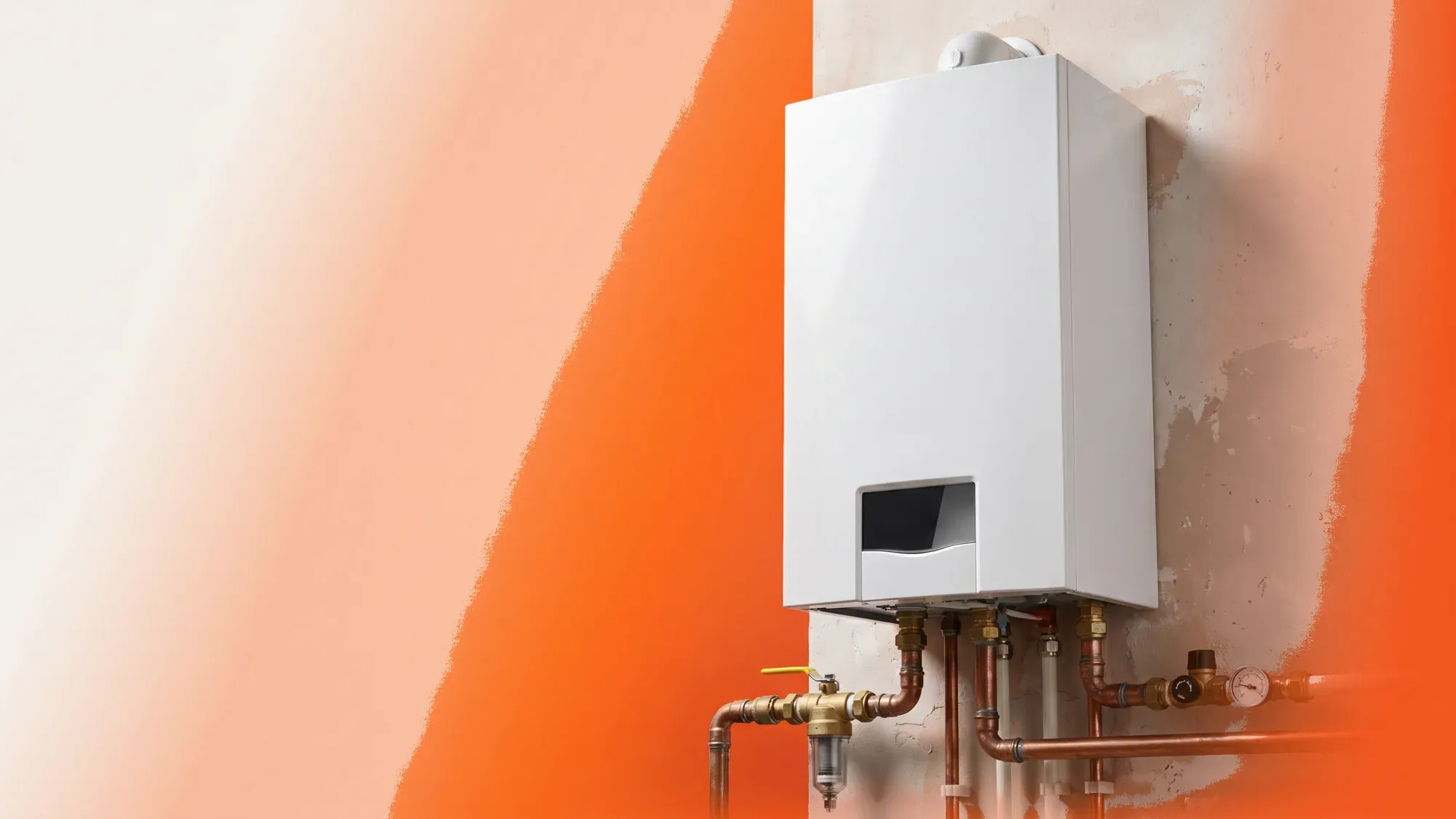
A leaking boiler always needs immediate attention. Even a small drip can signal a serious underlying problem, posing significant risks to your home and health, from potential carbon monoxide issues to structural damage. Ignoring it is not an option.
Understanding the urgency of a leaking boiler
A boiler leak, regardless of its apparent size, indicates a fault within a complex and potentially dangerous appliance. It is not just about the inconvenience of water on the floor; it is about the integrity of your heating system and the safety of your household.
Why even a small leak demands attention
Even a small boiler leak demands immediate attention. What appears as a minor drip can indicate internal corrosion, a failing component, or excessive pressure, all requiring professional assessment. Ignoring it risks significant property damage, including mould growth and structural issues, and can lead to increased energy bills over time.
Common causes of boiler leaks
Boiler leaks can stem from various issues. Common culprits include loose pipe fittings, corrosion of internal components, a faulty pressure relief valve, or a cracked heat exchanger. Worn-out seals and pumps can also be sources of leaks, as can issues with the central heating system's pressure.
Identifying the type of boiler leak
Distinguishing between a water leak and a gas leak is crucial for your immediate safety. While both require professional intervention, a gas leak poses an immediate and severe threat.
Water leaks: what to look for
Water leaks are typically easier to spot. You might notice puddles around the boiler, damp patches on nearby walls or flooring, or even discolouration. The leak might be a slow drip or a steady stream. Common locations for water leaks include pipework connections, the pressure relief valve, or the pump. If the leak is near electrical components, it could create an electrical hazard.
Gas leaks: immediate danger signs
Gas leaks are far more dangerous and often harder to detect because natural gas is odourless. A chemical odourant, often described as rotten eggs or sulphur, is added to make leaks noticeable. Other signs include a hissing sound near the boiler, dead plants in the vicinity, or a yellow or orange flame instead of a crisp blue one on gas appliances. Carbon monoxide, a byproduct of incomplete combustion, is particularly insidious as it is colourless, odourless, and tasteless, making it a "silent killer".
Immediate safety steps for a leaking boiler
Acting quickly and calmly is essential if you discover a boiler leak. Your immediate actions can prevent further damage and ensure safety.
Step 1: prioritise safety
For any type of leak, your first priority is safety. Do not attempt to repair the boiler yourself. If you suspect a gas leak, evacuate the property immediately.
Step 2: what to do for a water leak
If you have a water leak:
Turn off the boiler: Switch off the power to your boiler at the fuse box (consumer unit) to prevent electrical hazards, especially if water is near electrical components.
Turn off the water supply: Locate your home's main stopcock (usually under the kitchen sink) and turn it off to stop water from entering the boiler system.
Contain the leak: Use towels, buckets, or old containers to collect the leaking water and minimise damage to your property.
Contact a professional: Once the immediate risk is contained, call a Gas Safe registered engineer for assessment and repair.
Step 3: what to do for a gas leak
If you suspect a gas leak:
Do NOT operate electrical switches: Avoid turning lights or appliances on or off, as this could create a spark.
Open windows and doors: Ventilate the property immediately to disperse the gas.
Turn off the gas supply: If it is safe to do so, turn off your main gas supply at the meter.
Evacuate the property: Get everyone out of the house, including pets.
Call the national gas emergency service: From a safe distance, call 0800 111 999 immediately. Do not re-enter the property until it has been declared safe by a professional.
What are the symptoms of carbon monoxide poisoning?
Carbon monoxide poisoning symptoms can be subtle and easily mistaken for other illnesses like the flu. Common signs include headaches, dizziness, nausea, vomiting, tiredness, confusion, and shortness of breath. Unlike the flu, carbon monoxide poisoning does not cause a fever.
When to call a professional
Boiler leaks are not a DIY job. Professional expertise is essential for safe diagnosis and repair.
The role of a Gas Safe registered engineer
All gas work in the UK, including boiler repair, must be carried out by a Gas Safe registered engineer. This is a legal requirement designed to protect you from dangerous and faulty work. Gas Safe registered engineers have undergone specific training and assessments to work safely with gas appliances. Always ask to see their Gas Safe ID card before any work begins.
Tenant responsibilities for boiler leaks
If you are a tenant, your responsibilities differ slightly. You must inform your landlord or letting agent immediately about any boiler leak. Landlords have a legal responsibility to ensure that all gas appliances, pipework, and flues provided for tenants are safe and maintained, including annual gas safety checks. While you are responsible for reporting issues promptly and basic maintenance like re-pressurising the boiler, the repair and servicing costs fall to the landlord.
Preventing future boiler leaks
Proactive measures can significantly reduce the risk of future boiler leaks and ensure the longevity of your heating system.
Regular maintenance and servicing
Regular boiler servicing is paramount. An annual service by a Gas Safe registered engineer can identify potential issues before they escalate into costly leaks or breakdowns. This also helps maintain efficiency, potentially lowering your energy bills.
Recognising early warning signs
Beyond annual servicing, pay attention to your boiler's behaviour. Unusual noises like gurgling or hissing, a drop in boiler pressure, or an increase in your energy bills without a change in usage can all be early indicators of a developing problem. Addressing these signs promptly can prevent a minor issue from becoming a major emergency.
For the avoidance of doubt, this article is provided for informational purposes only and is not intended to constitute legal or financial advice. The author and/or Fuse Energy shall not be responsible for any losses arising out of any reliance on the information contained herein.