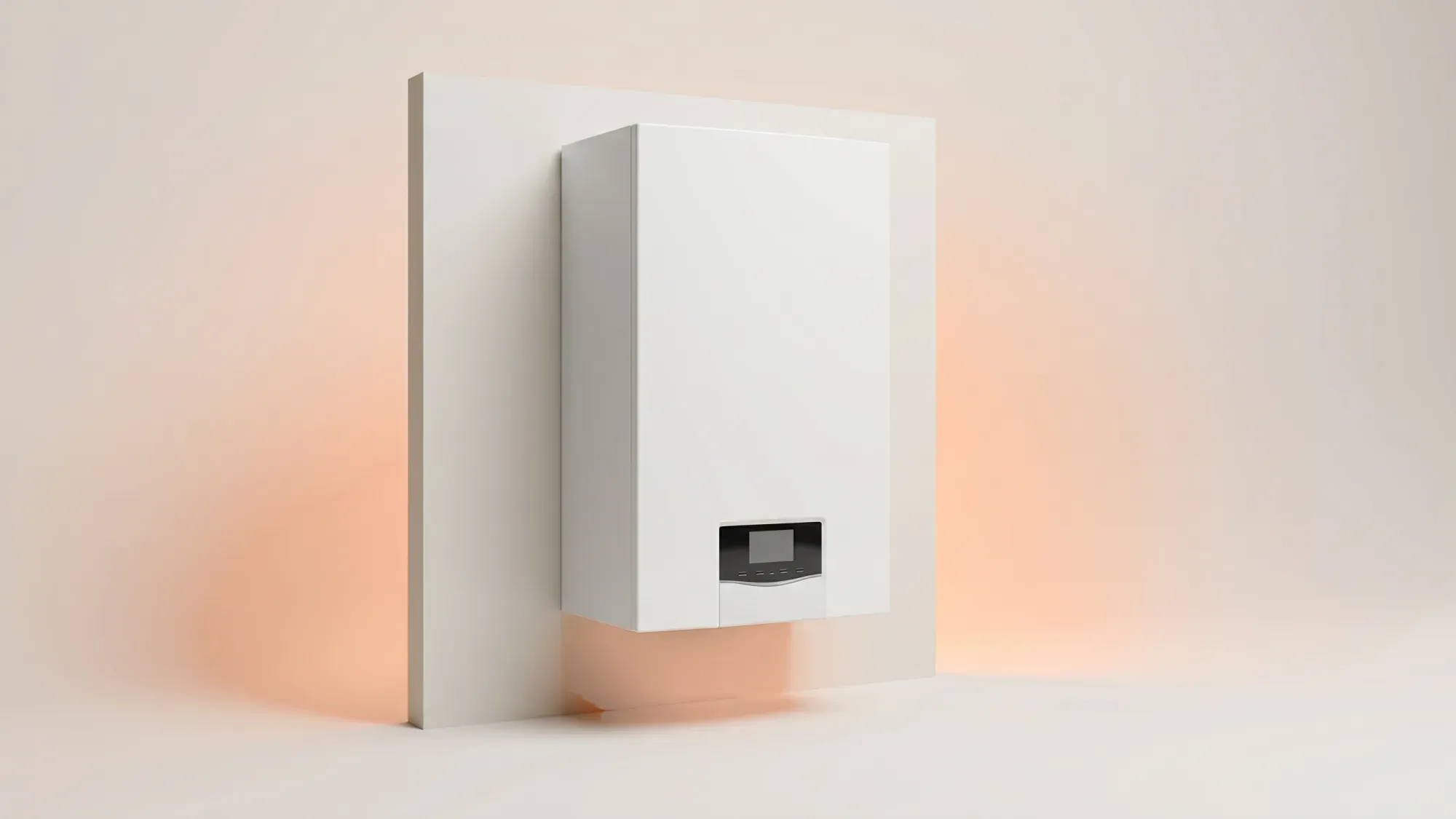
Choosing the right combi boiler for your home is a significant decision that impacts both your comfort and energy bills. This guide will walk you through the essential factors to consider, helping you select an efficient, reliable, and cost-effective heating system that meets your household's specific needs. While many brands exist, Fuse Energy exclusively installs the Vaillant ecoTEC Plus as its premium combi boiler offering, aligning with our commitment to efficient and reliable home heating solutions.
Understanding combi boilers and their benefits
What is a combi boiler?
A combi (combination) boiler provides both heating and hot water on demand from a single compact unit. Unlike traditional heating systems, it eliminates the need for separate hot water cylinders or cold water storage tanks, making it a popular choice for many UK homes.
Advantages of choosing a combi boiler
The primary advantage of a combi boiler is its efficiency and space-saving design. You get instant hot water whenever you need it, without waiting for a tank to heat up. This also means you are only heating the water you use, which can lead to energy savings. Their compact size makes them suitable for smaller properties where space is at a premium.
Key components and how they work
Combi boilers work by drawing cold water directly from the mains. When you turn on a hot tap or your central heating, the boiler's burner ignites, rapidly heating the water as it passes through a heat exchanger. This heated water is then delivered directly to your taps or radiators. Modern combi boilers incorporate advanced controls and safety features to ensure efficient and reliable operation.
Assessing your home's heating and hot water needs
Determining the right boiler size
Selecting the correct boiler size is crucial for optimal performance and energy efficiency. An undersized boiler will not meet your heating and hot water demands, while an oversized one will cycle on and off unnecessarily, wasting energy and increasing wear and tear. Boiler size is typically measured in kilowatts (kW) and depends on factors like the number of radiators, bathrooms, and occupants in your home.
Factors affecting hot water demand
Consider how much hot water your household uses. A home with one bathroom and 1-2 occupants will have different demands than a larger property with multiple bathrooms and a family. The flow rate of hot water (litres per minute) is also important, especially if you anticipate running multiple hot taps simultaneously.
Considering your property type and insulation
The age, size, and insulation levels of your home significantly influence its heat loss and, therefore, the required boiler output. Older, less insulated properties generally need a higher kW output to maintain comfortable temperatures. Good insulation helps retain heat, allowing for a potentially smaller, more efficient boiler.
Efficiency, running costs, and long-term savings
Understanding ErP ratings and seasonal efficiency
Boiler efficiency is measured by its Energy-related Products (ErP) rating. Modern A-rated combi boilers typically achieve over 90% efficiency, meaning less than 10% of the fuel used is wasted. This high seasonal efficiency translates directly into lower energy consumption and reduced heating bills.
What is an A-rated boiler?
An A-rated boiler, according to the ErP (Energy-related Products) directive, is one that achieves a seasonal efficiency of 90% or higher. This means it converts at least 90% of the fuel it uses into usable heat, making it highly energy-efficient and contributing to lower running costs for your home.
Calculating potential energy bill savings
The average UK home uses around 9,500 kWh of gas per year, according to Ofgem's medium typical domestic consumption value1. By upgrading to a modern A-rated combi boiler, you can significantly reduce this consumption. While the upfront cost of installing a new combi boiler can range from £1,500 to £4,000, depending on the model and complexity of installation, the long-term savings on energy bills can be substantial over the boiler's typical lifespan of 10 to 15 years.
The importance of regular servicing
Regular annual servicing by a Gas Safe registered engineer is vital for maintaining your boiler's efficiency, ensuring its safe operation, and prolonging its lifespan. Servicing helps identify and address minor issues before they become costly breakdowns, keeping your boiler running optimally.
Reliability, warranty, and installation considerations
Researching boiler brands and models
When choosing a combi boiler, look beyond the initial purchase price. Research different brands and models based on objective criteria such as reliability ratings, customer reviews, and the availability of spare parts. A reliable boiler will save you money and inconvenience in the long run.
What to look for in a warranty
A good warranty offers peace of mind. Most manufacturers provide warranties ranging from 2 to 10 years, with some extending to 12 or more. Pay attention to the terms and conditions, including whether annual servicing is required to keep the warranty valid and what components are covered. A longer, comprehensive warranty is often an indicator of manufacturer confidence in their product's durability.
Choosing a gas safe registered installer
All boiler installations in the UK must be carried out by a Gas Safe registered engineer. This is a legal requirement and ensures that the work is performed safely and to the correct standards. Always ask to see an engineer's Gas Safe ID card before any work begins. New boiler installations must also comply with Building Regulations, including minimum efficiency standards.
Enhancing your heating system with smart controls
Integrating smart thermostats
Smart thermostats offer advanced control over your heating system, allowing you to manage temperatures remotely via an app, set detailed schedules, and even learn your habits to optimise heating. Integrating a smart thermostat with your combi boiler can further enhance efficiency and comfort.
Optimising energy usage with smart technology
Beyond basic scheduling, smart heating controls can provide insights into your energy consumption, identify areas for improvement, and even integrate with other smart home devices. This level of control empowers you to make informed decisions about your heating, reducing waste and lowering bills.
Fuse Energy's approach to efficient heating
Fuse Energy empowers homeowners to manage their energy consumption effectively and reduce bills. Our app provides customers with control and insights into their energy usage, complementing an efficient boiler setup. We offer installation of a premium, highly efficient combi boiler, the Vaillant ecoTEC Plus, for customers seeking a reliable heating solution. Fuse Energy exclusively installs the Vaillant ecoTEC Plus combi boiler and does not supply, install, or service other boiler brands mentioned in the market.
For the avoidance of doubt, this article is provided for informational purposes only and is not intended to constitute legal or financial advice. The author and/or Fuse Energy shall not be responsible for any losses arising out of any reliance on the information contained herein.