Ideal boiler reviews, costs, and home suitability
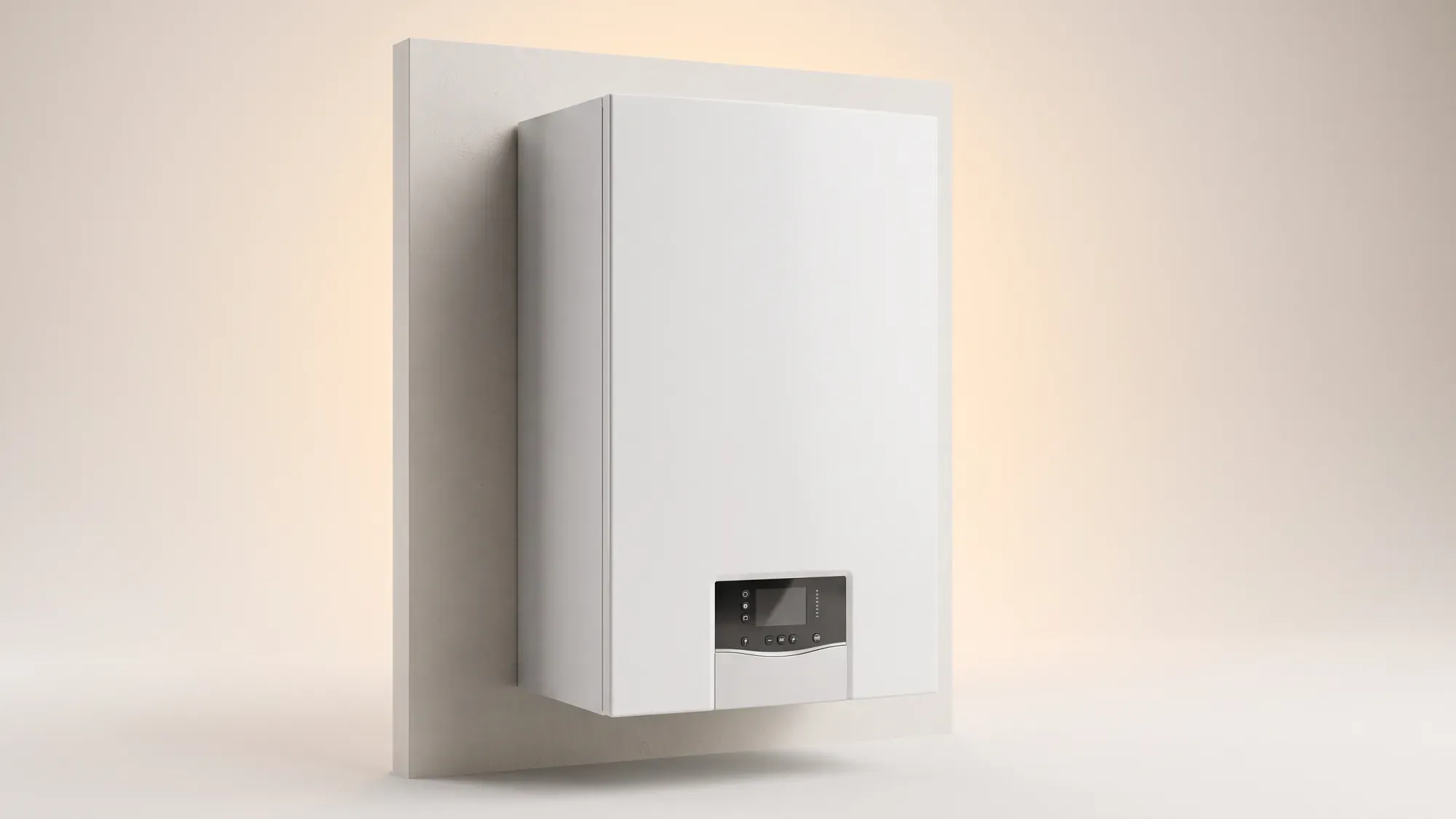
Choosing a new boiler for your home is a significant decision, affecting both your comfort and energy bills. Ideal boilers, a long-standing British manufacturer, are a popular choice, known for their balance of efficiency, reliability, and competitive pricing. This guide provides an objective overview of Ideal boilers, covering their history, types, efficiency, costs, and reputation, to help you determine if one is suitable for your property.
If you're considering a new boiler, understanding your options is key. Fuse Energy focuses on providing efficient home heating solutions, exclusively installing the Vaillant ecoTEC Plus range of gas boilers. While this article explores Ideal boilers, Fuse Energy does not install, service, or provide quotes for Ideal models.
Understanding Ideal boilers
Ideal Heating has been a prominent name in the UK heating industry for over a century, evolving with changing domestic heating needs.
A brief history of Ideal heating
Founded in Hull, East Yorkshire, in 1906 as The National Radiator Company, Ideal Heating has a rich heritage in the UK. In the 1920s, they pioneered central heating for many homes with the introduction of the Cookanheat, a freestanding stove that combined an open fire, boiler, oven, and hot cupboard. The company became Ideal Standard in 1953, with its heating division known as Ideal Boilers. Their popular Logic range was launched in 2009, and today, as Ideal Heating, they continue to focus on developing heating solutions, including low-carbon options.
Types of Ideal boilers: combi, system, and regular
Ideal Heating manufactures a comprehensive range of boilers to suit various property types and hot water demands. These include:
- Combi (combination) boilers: These provide heating and hot water on demand, directly from the mains, without needing a separate hot water cylinder or cold water tank. They are a popular choice for smaller to medium-sized homes with one or two bathrooms.
- System boilers: Ideal for larger homes with higher hot water demands, system boilers work with a separate hot water storage cylinder. They heat water for central heating and store hot water for multiple outlets.
- Regular (heat-only) boilers: Also known as conventional boilers, these are suitable for homes with existing traditional heating systems that include a separate hot water cylinder and a cold water storage tank in the loft.
The Logic and Vogue ranges are among Ideal's most recognised models, available across these boiler types.
Key features across the Ideal range
Ideal boilers incorporate several features designed for efficiency, convenience, and durability:
- Compact design: Many Ideal models, particularly within the Logic range, are designed to be compact enough to fit into a standard kitchen cupboard, offering flexible installation options.
- High efficiency: Most modern Ideal boilers are ErP A-rated, indicating high energy efficiency.
- User-friendly controls: The boilers typically feature straightforward controls, with some models offering large digital displays and easy-to-reach pressure gauges.
- Integrated system filters: Models like the Logic Max and Vogue Max often include an integrated system filter to protect the boiler from debris and enhance longevity.
- Smart control compatibility: Many Ideal boilers are compatible with smart thermostats, such as the Ideal Halo Wi-Fi thermostat, allowing for enhanced control and potential energy savings.
- Frost protection: Built-in frost protection helps prevent pipes from freezing during colder months.
- Awards: Some models, like the Logic Plus, have received recognition from Quiet Mark and Good Housekeeping.
Ideal boiler efficiency and running costs
Efficiency is a critical factor when choosing a new boiler, directly impacting your home's running costs and environmental footprint.
ErP and SEDBUK ratings explained
In the UK, boiler efficiency is primarily measured by the Energy-related Products (ErP) directive and the Seasonal Efficiency of Domestic Boilers in the UK (SEDBUK) rating. The ErP rating uses a letter scale from G to A+++, with A being the highest for most gas boilers, indicating excellent energy efficiency. SEDBUK ratings provide a percentage figure, representing how much fuel is converted into usable heat.
Typical efficiency levels of Ideal models
Modern Ideal boilers are highly efficient, with most models across their core Logic and Vogue ranges achieving an ErP A-rating. Their efficiency levels typically sit between 92% and 94%. This places them in line with other leading manufacturers, ensuring that almost all the gas burned is converted into heat for your home and hot water.
How efficient are Ideal boilers?
Most modern Ideal boilers, particularly from their Logic and Vogue ranges, achieve an ErP A-rating with efficiency levels typically between 92% and 94%. This means they convert almost all the gas they burn into usable heat for your home and hot water, aligning them with other leading manufacturers.
Factors influencing running costs
While a boiler's efficiency is key, several other factors influence your overall running costs:
- Property size and insulation: Larger homes or those with poor insulation will require more energy to heat.
- Hot water demand: The amount of hot water used daily affects gas consumption.
- Usage habits: How often and for how long your heating is on, and at what temperature, plays a significant role.
- Average UK gas consumption: The average UK home uses around 9,500 kWh of gas per year for heating and hot water, according to Ofgem's typical domestic consumption values. An efficient boiler helps to minimise the cost of this consumption.
Ideal boiler prices and installation
The cost of a new boiler includes both the unit price and installation fees, which can vary widely.
Average costs of Ideal boilers
The average price for an Ideal boiler, including installation, typically ranges from £1,800 to £3,500. This figure depends on the specific model chosen, its output, and the complexity of the installation. For the boiler unit alone, prices vary, with installation costs typically adding between £1,000 and £2,000. Some Ideal boilers, including installation, can start from around £1,599.
Installation cost considerations
Several factors can influence the total installation cost:
- Boiler type conversion: Replacing an old combi boiler with a new one of the same type is generally less expensive than converting from a regular or system boiler to a combi, which might require significant pipework changes.
- Boiler relocation: Moving the boiler to a new location within your home will increase costs due to additional pipework and labour.
- System upgrades: If your existing heating system requires upgrades, such as new radiators, cylinders, or controls, these will add to the overall expense.
- Installer rates: Labour rates can vary by region and the installer's experience.
What's included in a typical installation quote
A comprehensive installation quote should typically include:
- The new Ideal boiler unit.
- Labour for removing the old boiler and installing the new one.
- Flushing the heating system to remove sludge and debris.
- Adding a system inhibitor to protect against corrosion.
- Installation of a magnetic filter (often included with Logic Max and Vogue Max models).
- Commissioning the boiler and registering its warranty.
- Disposal of the old boiler.
All new boiler installations in the UK must comply with Building Regulations, including efficiency standards and safety requirements, and must be carried out by a Gas Safe registered engineer.
Ideal boiler reviews and reputation
Ideal boilers generally hold a strong reputation in the UK market, often praised for their value and reliability.
Common praises and criticisms
Praises:
- Value for money: Ideal boilers are frequently cited as offering good value, providing modern efficiency and reliability at a competitive price point, often sitting in the middle of the market.
- Reliability: When properly installed and regularly serviced, Ideal boilers are considered reliable.
- British manufacturing: As a British manufacturer with over a century of history, Ideal appeals to homeowners who value locally made products.
- Compact and easy to install: The compact design of many models, particularly the Logic range, makes them easy to fit in tight spaces like kitchen cupboards, which installers appreciate.
- Widely available parts and engineer familiarity: Due to their widespread use, parts for Ideal boilers are generally easy to obtain, and most heating engineers are familiar with the brand.
- High customer satisfaction: Ideal Heating boasts a high customer satisfaction rating on platforms like Trustpilot, with a 4.8-star rating from over 78,000 reviews.
Criticisms:
- Entry-level warranty: The entry-level Logic Combi boiler comes with a shorter standard warranty (2 years) compared to the extended warranties offered on their Max ranges.
- Heat exchanger material: Some older criticisms pointed to the use of aluminium heat exchangers in certain models, whereas some premium competitors use stainless steel.
- Installation impact: Mixed reviews often stem from basic models being installed on dirty systems without proper filtration or cleaning, rather than inherent boiler faults. Common issues on older Ideal boilers include flame loss, low pressure, and fan faults.
Warranty and aftercare support
Ideal boilers typically come with a warranty period ranging from 2 to 12 years, depending on the specific model.
- The Logic Max range often includes a 10-year warranty.
- The Vogue Max range can offer an extended warranty of up to 12 years, particularly when installed by an Ideal Max Accredited installer.
To keep the warranty valid, it is crucial to register the boiler within 30 days of installation and ensure it receives an annual service from a Gas Safe registered engineer. Failure to do so can limit the warranty period or invalidate it entirely.
Is Ideal a good boiler make?
Overall, Ideal is considered a good and reliable boiler make for UK homes. They offer efficient, cost-effective heating solutions at competitive prices, making them a popular choice for homeowners seeking dependable performance without necessarily paying premium brand prices. Their long history, British manufacturing, and positive customer reviews reinforce their position in the market.
Choosing the right Ideal boiler for your home
Selecting the appropriate Ideal boiler involves assessing your property's specific heating and hot water requirements.
Matching boiler size to property needs
The size (output in kW) and type of boiler should match your home's demands:
- Combi boilers: Best suited for smaller properties or flats with one to two bathrooms, as they heat water on demand. For example, an Ideal Logic Max C24 is suitable for homes with 6-10 radiators and a single bathroom.
- System boilers: Ideal for larger homes with multiple bathrooms and a high demand for hot water, as they work with a hot water cylinder. The Ideal Logic² Max System Boiler with a 30 kW output can cater to large homes with up to 20 radiators and two or more bathrooms.
- Regular boilers: Appropriate for larger homes with existing traditional heating systems that include a separate hot water cylinder and cold water storage tank.
Assessing hot water demand
Consider how many bathrooms your home has and how often hot water is used simultaneously. Combi boilers are excellent for instant hot water but can struggle to supply multiple showers or baths at once. System and regular boilers, with their hot water cylinders, are better equipped to handle higher, simultaneous hot water demands.
Considering your existing heating system
The type of boiler you currently have will influence your options. Replacing a like-for-like boiler type is generally simpler and less costly. However, if you're looking to change your system (e.g., from a regular boiler to a combi), you'll need to factor in the costs and disruption of altering pipework and removing existing tanks. All new boiler installations must comply with UK Building Regulations, which include requirements for efficiency and safety. Gas boilers can still be installed in new builds under updated 2021 Part L Building Regulations, though they may need to be accompanied by solar panels and waste water heat recovery.
An alternative: the Vaillant ecotec Plus from Fuse Energy
While Ideal boilers offer a strong proposition for many UK homeowners, it's worth exploring alternatives that provide advanced features and efficiency.
Why consider the Vaillant ecotec Plus?
Fuse Energy exclusively installs the Vaillant ecoTEC Plus range of gas boilers. Vaillant is another highly respected brand in the heating industry, known for its commitment to engineering excellence, high efficiency, and reliable performance. The ecoTEC Plus range is designed to offer robust heating and hot water solutions, often incorporating advanced technology for optimal energy usage.
Fuse Energy's installation and service
Fuse Energy focuses on providing efficient and sustainable home heating solutions. It is important to note that Fuse Energy exclusively installs the Vaillant ecoTEC Plus gas boiler and does not install, service, or provide quotes for Ideal boilers. This ensures clear expectations for customers seeking a new boiler installation through Fuse Energy.
Seamless integration with smart home energy management
Choosing an efficient boiler, such as the Vaillant ecoTEC Plus, is a crucial step towards a more sustainable and cost-effective home heating system. Fuse Energy's transparent app provides energy usage insights, helping homeowners manage their heating costs effectively, regardless of their boiler brand. This integration allows for better control and understanding of your home's energy consumption.
Disclaimer
For the avoidance of doubt, this article is provided for informational purposes only and is not intended to constitute legal or financial advice. The author and/or Fuse Energy shall not be responsible for any losses arising out of any reliance on the information contained herein.