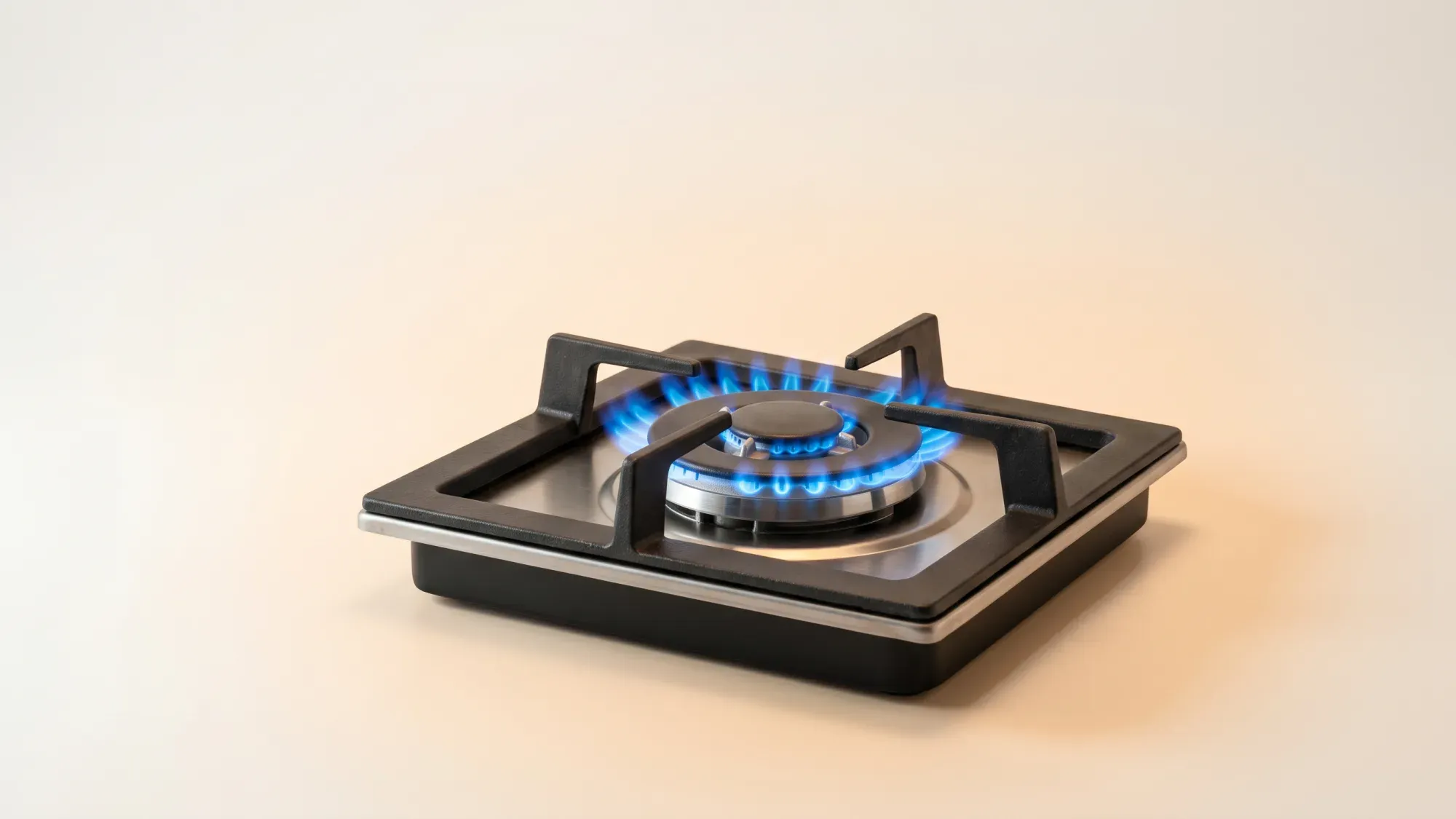
Detecting a gas leak quickly is crucial for the safety of your home and everyone in it. Knowing the signs and what to do immediately can prevent serious risks like explosions, fires, and carbon monoxide poisoning. Fuse empowers customers with vital safety knowledge for their homes, aligning with its vision of providing control and information, even in critical situations.
Explore smarter energy for your home. With Fuse Energy, you get clear pricing, real-time usage data, 24/7 human customer support, and a modern energy experience designed around you. Signing up takes just a few minutes, so you can take control of your bills from day one. Click here to switch to Fuse Energy today and start saving.
The first step in dealing with a gas leak is recognising its presence. Your senses are your most reliable tools for detection.
The distinctive smell of gas
The most common indicator of a gas leak is a strong, unpleasant odour. Natural gas is naturally odourless, but a chemical called mercaptan is added to give it a potent, distinctive smell often described as rotten eggs or sulphur. This smell is designed to be easily noticeable, even in small concentrations, to ensure leaks are detected [12, 13, 14]. If you detect this scent, immediately proceed to the 'Immediate actions to take' section below.
Hissing or whistling sounds
Listen carefully for any unusual sounds near gas appliances or pipes. A faint hissing or whistling sound can indicate gas escaping under pressure. This might be more noticeable in quiet environments.
Visual cues
While less common, a gas leak can sometimes present visual signs:
- Bubbles in water: If you have an outdoor gas line and notice bubbles in puddles or wet areas, this could indicate an underground leak.
- Dying vegetation: Patches of dead or discoloured plants in your garden, especially near gas lines, can be a sign of a leak.
- Dust or debris blowing: Gas escaping from a pipe can sometimes blow dust or debris around, creating an unusual disturbance.
Physical symptoms
Exposure to natural gas can also cause physical symptoms, though these are more indicative of prolonged exposure or a larger leak:
- Headaches
- Dizziness
- Nausea
- Fatigue
- Irritation to eyes or throat
- Difficulty breathing
If you or anyone in your household experiences these symptoms and you suspect a gas leak, evacuate immediately.
Your safety is paramount. Follow these steps without delay:
- Do not operate electrical switches: Avoid turning lights on or off, using mobile phones, or operating any electrical appliances. A spark could ignite the gas.
- Extinguish naked flames: Put out any candles, cigarettes, or other open flames.
- Open windows and doors: Ventilate the property immediately to disperse the gas.
- Turn off your gas supply (if safe to do so): If you know where your main gas isolation valve (Emergency Control Valve or ECV) is and it's safe to reach, turn it off. It's usually a red or yellow handle located near your gas meter [3, 4]. Turn it 90 degrees to the pipe to shut off the supply [2, 5].
- Evacuate the property: Get everyone out of the house, including pets.
- Call the national gas emergency service: Once you are a safe distance away from the property, call the National Gas Emergency Service on 0800 111 999 [2, 7, 8]. Do not call from inside your home. This service is available 24/7 and is free of charge [10].
- Do not re-enter: Wait for the emergency services to confirm it is safe to return.
If you detect the distinctive smell of gas but cannot immediately identify a source or visual cue, it is still critical to act as if there is a leak.
Trust your senses and act immediately
Even if you can't see or hear a leak, the smell of mercaptan is a strong indicator of a potential hazard. Do not attempt to locate the source yourself. Your priority remains to ensure the safety of everyone in the property by following the immediate actions outlined above, including evacuation and contacting the National Gas Emergency Service.
The importance of professional assessment
Gas leaks can be subtle and originate from hidden pipes or appliances. Only qualified professionals from the National Gas Emergency Service have the equipment and expertise to safely investigate, locate, and address gas leaks, even those without an obvious source.
While immediate action is vital, prevention is always better:
Regular appliance servicing
Have all gas appliances (boilers, cookers, fires) serviced annually by a Gas Safe registered engineer [18, 20]. This ensures they are operating safely and efficiently, reducing the risk of leaks and carbon monoxide production [17, 21].
Install carbon monoxide and gas detectors
While natural gas leaks are different from carbon monoxide, both are serious hazards. Carbon monoxide is odourless, tasteless, and invisible, making detectors essential. Consider installing both types of detectors for comprehensive home safety.
Know your emergency control valve location
Ensure everyone in your household knows where the main gas isolation valve (ECV) is and how to turn it off [3]. Knowing its location before an emergency can save critical time [3].
At Fuse Energy, we believe in empowering our customers with knowledge and control over their home energy. While we focus on providing efficient and affordable energy, your safety remains our top priority. Our 24/7 human customer support team is always available to assist with any energy-related queries, helping you manage your supply with confidence.
Explore smarter energy for your home. With Fuse Energy, you get clear pricing, real-time usage data, 24/7 human customer support, and a modern energy experience designed around you. Signing up takes just a few minutes, so you can take control of your bills from day one. Click here to switch to Fuse Energy today and start saving.