How to bleed a radiator
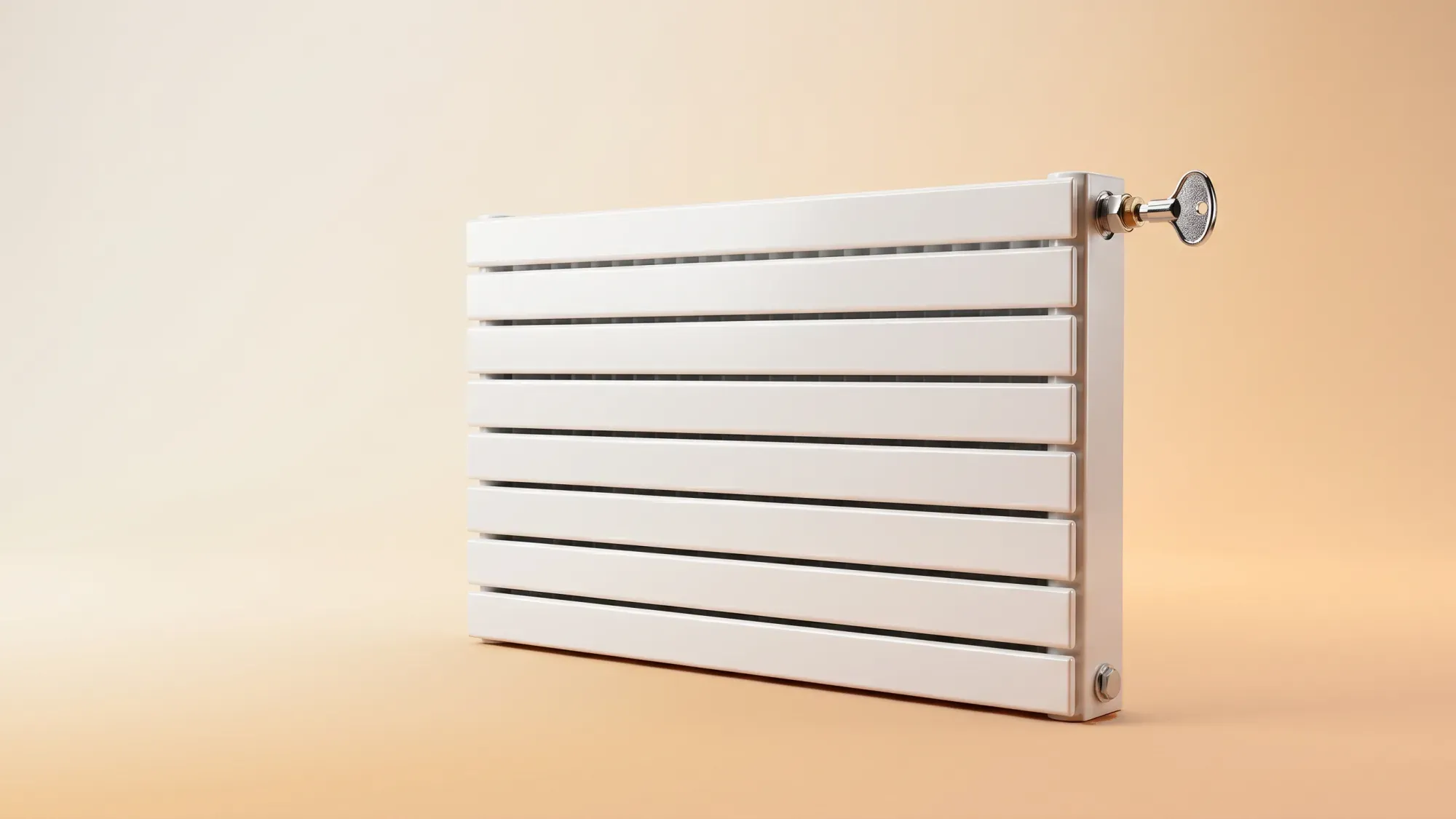
Trapped air in your central heating system can lead to cold spots on radiators, reduced heating efficiency, and higher energy bills. Bleeding your radiators is a simple maintenance task that can significantly improve your home's heating performance and comfort. Fuse Energy helps homeowners master their home's heating by providing clear guidance on efficient radiator maintenance, linking it directly to enhanced comfort and lower energy bills.
Keeping your home warm and your energy bills manageable is key to a comfortable living space. Understanding how to maintain your heating system, including simple tasks like bleeding radiators, can make a real difference. Fuse Energy offers straightforward energy supply and tools to help you manage your usage effectively. Click here to switch to Fuse Energy today.
Enter your address to get a quote and see how much you could save
Why bleeding your radiators matters
Your home's central heating system circulates hot water through radiators to warm your living spaces. However, over time, air can become trapped within these radiators. This trapped air prevents hot water from circulating effectively, leading to cold patches and uneven heating.
Understanding trapped air in your heating system
Air is lighter than water, so it rises and collects at the top of your radiators. When this happens, the hot water cannot fill the entire radiator, creating cold spots, typically at the top. This forces your boiler to work harder and for longer to achieve the desired room temperature, wasting energy and increasing your heating costs. Corrosion within the system can also generate hydrogen gas, contributing to air pockets.
The benefits of efficient radiators
Regularly bleeding your radiators ensures that hot water can flow freely throughout the entire unit, maximising its heat output. This simple maintenance can significantly improve heating efficiency. The Energy Saving Trust estimates that air-locked radiators can reduce heating system efficiency by 10-30%. Addressing this can lead to noticeable energy savings and a warmer, more comfortable home. It also reduces unnecessary strain on your boiler and pump, potentially extending their lifespan.
Signs your radiators need bleeding
Identifying when your radiators need bleeding is crucial for maintaining an efficient heating system. Look out for these common indicators:
Cold spots on radiators
The most obvious sign is a radiator that is warm at the bottom but cold at the top when the heating is on. This indicates that trapped air is preventing hot water from reaching the upper sections. Run your hand along the top of the radiator to check for noticeable temperature differences.
Noises from your heating system
Gurgling, bubbling, or banging noises coming from your radiators or pipes are often a clear indication of trapped air within the system. These sounds occur as water flows around the air pockets.
Increased energy bills
If your heating system seems to be working harder without delivering better results, or if your energy bills are higher than usual despite no change in usage, trapped air could be the culprit. Inefficient radiators force your boiler to consume more energy to heat your home.
What you'll need to bleed a radiator
Bleeding a radiator is a straightforward task that requires only a few basic tools, most of which you likely already have at home.
The essential radiator bleed key
A radiator bleed key is the primary tool needed for this task. These small, inexpensive tools are designed to fit the bleed valve on your radiator. While most modern UK radiators use a standard 5mm square bleed valve, some may require different sizes, so a universal key can be useful. Some newer radiators might even use a flathead screwdriver.
Protective equipment and clean-up tools
You will also need a cloth or rag and a small container or bowl to catch any water that may escape during the bleeding process. Protective gloves are advisable to prevent skin contact with potentially hot water.
Step-by-step guide to bleeding your radiators
Bleeding your radiators is a simple process, but following the correct steps ensures safety and effectiveness.
Preparation: turning off the heating and cooling down
First, turn off your central heating system completely and allow all radiators to cool down. Attempting to bleed radiators while the heating is on or the water is hot can cause scalding from hot water or steam and is less effective at releasing air. When the system is cold, trapped air naturally rises to the top, making it easier to release.
Locating and opening the bleed valve
The bleed valve is typically a small, screw-like fitting located at the top corner of your radiator. Insert the radiator bleed key into the valve. Slowly turn the key anti-clockwise, about a quarter turn, until you hear a hissing sound. This is the trapped air escaping.
Releasing air and closing the valve
Keep the valve open until the hissing stops and water starts to steadily trickle out. Once you see a steady stream of water with no air, immediately close the valve by turning the key clockwise.
Bleeding radiators in the correct order
For optimal results, start bleeding radiators on the ground floor and work your way up to the highest radiators in your home. This is because air rises through the system, so tackling lower radiators first helps push air upwards and out.
After bleeding: repressurising your heating system
Bleeding your radiators releases air, but it also releases a small amount of water, which can cause your system's pressure to drop. It's crucial to check and adjust your boiler pressure after bleeding.
Checking boiler pressure
Locate the pressure gauge on your boiler. For most sealed central heating systems, the ideal pressure when the system is cold should be between 1 and 1.5 bar. This is usually indicated by a green zone on the gauge. If the needle has dropped below this range, you will need to top up the system.
How to top up boiler pressure
Your boiler manual will provide specific instructions for repressurising your system. This usually involves a 'filling loop', which is typically a silver, braided hose with two valves underneath your boiler. Slowly open both valves to allow water to enter the system, watching the pressure gauge rise. Close the valves once the pressure reaches the recommended level (1 to 1.5 bar). If you overfill it, you can bleed the nearest radiator again until the gauge drops back into the green zone.
Monitoring for further issues
After repressurising, turn your heating back on and check that all radiators are now heating evenly from top to bottom. If you find yourself frequently needing to repressurise your system, or if radiators remain cold after bleeding, it could indicate a more serious issue.
Common questions and troubleshooting
Even with a clear guide, questions can arise. Here are answers to some common queries about radiator bleeding.
How often should you bleed radiators?
It's good practice to check your radiators at least once a year, typically in autumn before the heating season begins. However, if you notice cold spots or gurgling noises at any time, bleed them as necessary. Some systems, especially older ones or those in hard water areas, may require more frequent attention.
How often should I bleed my radiators?
You should check your radiators at least once a year, ideally before the heating season starts in autumn. However, if you notice cold spots, gurgling noises, or reduced heating efficiency at any point, you should bleed them. Some systems may require more frequent bleeding depending on their age and condition.
What if a radiator is still cold after bleeding?
If a radiator remains cold at the top after bleeding, it likely still has trapped air. If it's cold at the bottom, or not heating at all, the issue might be sludge build-up, a faulty valve, or an imbalance in your system. Sludge build-up often requires a professional power flush. An imbalanced system can be addressed by adjusting the lockshield valves on your radiators.
Bleeding radiators with a combi boiler
The process for bleeding radiators is generally the same regardless of whether you have a combi boiler or a conventional system. The key difference lies in repressurising. Combi boilers usually have an internal filling loop, making it straightforward to top up the pressure after bleeding. Always refer to your boiler's specific manual for instructions on repressurising.
When to call a professional
While bleeding radiators is a simple DIY task, some issues require expert attention. You should call a qualified heating engineer if:
- Radiators remain cold after repeated bleeding.
- Your boiler pressure frequently drops, even after repressurising.
- You need to bleed the same radiators every few weeks.
- You notice persistent leaks, sludge, or dirty water coming from your radiators.
- You are uncomfortable performing the task yourself.
These signs can indicate deeper problems like leaks, faulty components, or sludge build-up that a professional can diagnose and fix.
Managing your home's energy doesn't have to be complicated. Fuse Energy is here to make it simple with clear pricing, real-time usage data in our app, and 24/7 human customer support. Switching is quick and easy, so you can take control of your energy bills and ensure your home stays warm and efficient. Discover a smarter way to power your home. Click here to switch to Fuse Energy today.
Disclaimer
For the avoidance of doubt, this article is provided for informational purposes only and is not intended to constitute legal or financial advice. The author and/or Fuse Energy shall not be responsible for any losses arising out of any reliance on the information contained herein.