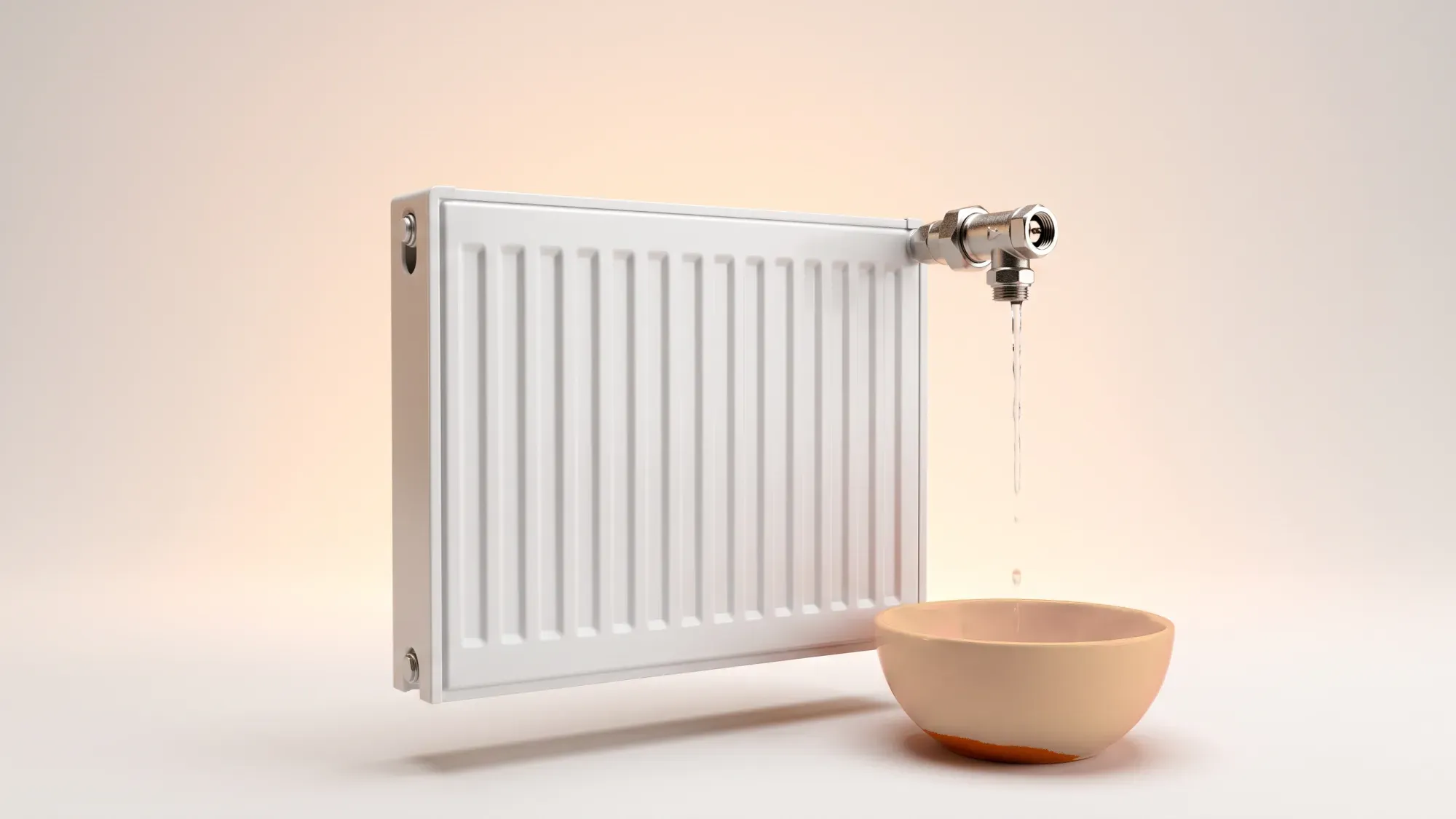
Bleeding your radiators is a simple way to improve your home's heating efficiency and comfort. This process tackles cold spots and ensures your heating system works effectively, potentially reducing energy waste.
While bleeding your radiators helps with heating efficiency, managing your energy bills is another key step. Fuse Energy offers clear pricing and tools to help you understand your usage. Click here to switch to Fuse Energy today.
Trapped air is the silent culprit behind inefficient radiators, preventing hot water from circulating fully and creating frustrating cold spots. Addressing this common issue is a simple yet powerful way to improve your home's heating performance.
The impact of trapped air on heating efficiency
Trapped air in a radiator prevents hot water from circulating fully, leading to cold spots, typically at the top of the radiator. Air is a poor conductor of heat, which means trapped air impedes efficient heat transfer and reduces your radiator's heat output. Bleeding radiators can improve the efficiency of a central heating system, ensuring rooms heat up more effectively.
Key indicators
Several common signs suggest your radiators need bleeding. Look out for:
- Cold spots: If the top of your radiator is cold while the bottom remains warm, trapped air is preventing proper heat circulation.
- Noises: Gurgling or hissing sounds coming from your radiators often indicate air trapped within the system.
These symptoms mean your heating system is not working as effectively as it could be.
Before you begin, gather a few basic items:
- Radiator key: This small, metal tool is specifically designed to open and close radiator bleed valves. If you do not have one, they are inexpensive and available at hardware stores.
- Cloth or towel: To protect your floor and catch any drips or splashes of water.
- Container: A small bowl or mug to collect any water that comes out of the valve.
Bleeding a radiator is a straightforward DIY task. Follow these steps for a warmer, more efficient home.
Preparing your heating system
First, turn off your central heating system and allow all radiators to cool completely. This prevents hot water from circulating and reduces the risk of scalding.
Locating and opening the bleed valve
The bleed valve is usually a small, round hole with a square or slotted insert, located at the top of one end of the radiator. Place your cloth and container directly underneath the valve. Insert the radiator key (or appropriate tool) into the valve.
Releasing trapped air
Carefully turn the radiator key anti-clockwise, about a quarter to half a turn. You should hear a hissing sound as trapped air escapes. Keep the cloth ready to catch any water that might spray out.
Closing the valve and finishing up
Once the hissing stops and a steady stream of water begins to flow from the valve, close it by turning the key clockwise. Do not overtighten, as this can damage the valve. Wipe away any spilled water. Repeat this process for any other radiators that need bleeding.
After bleeding your radiators, it is essential to check your boiler's pressure gauge. Bleeding releases air, which can cause a slight drop in system pressure. If the pressure has dropped below the recommended level (typically between 1.0 and 1.5 bar when cold, or around 2 bar when on), you will need to repressurise your boiler according to the manufacturer's instructions.
How often to bleed radiators
Regular bleeding helps maintain heating efficiency. It is good practice to check your radiators at least once a year, ideally before the colder months, or whenever you notice cold spots or gurgling sounds.
If a radiator remains cold after bleeding, several issues could be at play. It might indicate a stuck thermostatic radiator valve (TRV) pin, a blockage in the system, or an imbalance in your heating system that requires professional attention.
Bleeding a radiator without a key
Lost your radiator key? Do not worry. Some modern radiators can be bled using a flat-head screwdriver or an Allen key. Always ensure the heating is off and the radiator is cool before attempting this.