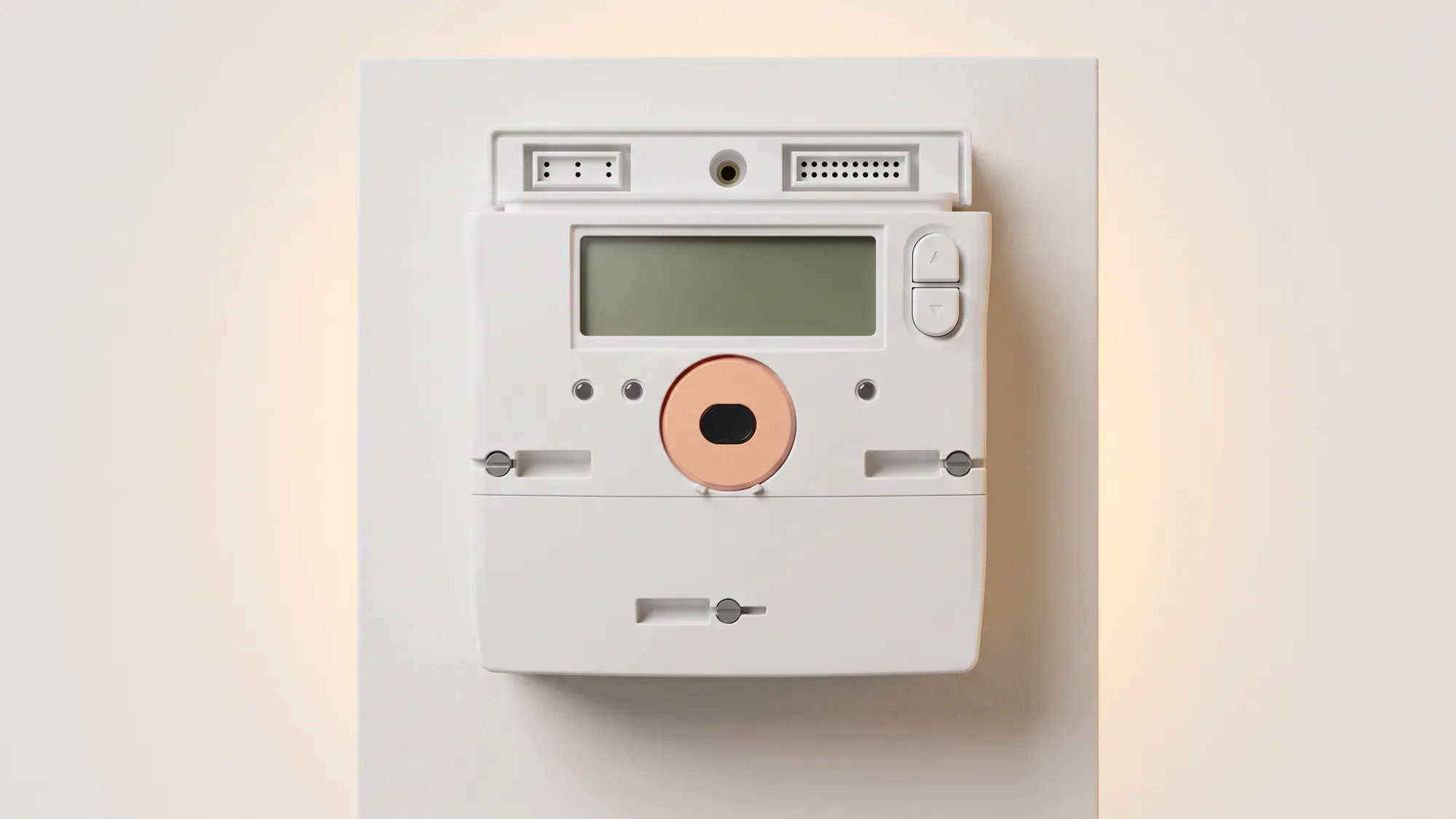
Energy supply running low can be stressful, but activating emergency credit on your smart meter is a straightforward process designed to prevent immediate disconnection. This guide walks you through the steps to get your energy back on, understand how emergency credit works, and manage your account afterwards.
If you're looking for an energy supplier that makes managing your smart meter credit simple and offers clear ways to top up, consider switching to Fuse Energy. You can get started with Fuse and take control of your energy bills today by clicking here.
What is emergency credit?
Emergency credit acts as a temporary safety net provided by energy suppliers to prevent immediate disconnection when your smart meter credit runs critically low. It's designed to give you a short-term energy supply, ensuring continuity while you arrange your next top-up. This feature is regulated under Ofgem rules, aiming to protect customers and maintain supply, particularly in urgent situations.
How much emergency credit can you get?
The amount of emergency credit available can vary significantly. It depends on your specific energy supplier and the type of smart meter you have installed. Energy suppliers set these amounts, and they are typically designed to provide enough energy to last until you can top up again.
Emergency credit versus friendly credit
It's important to distinguish between emergency credit and "friendly credit" hours. Emergency credit is a specific amount of money added to your meter to keep your supply on. Friendly credit, on the other hand, refers to specific times of day (usually overnight, weekends, and bank holidays) when your energy supply will not automatically disconnect, even if your credit runs out. This is to ensure you don't lose power during inconvenient hours when topping up might be difficult. You'll still need to top up to cover any usage during friendly credit hours.
Activating emergency credit is usually a simple process directly on your meter or In-Home Display (IHD).
Checking your smart meter balance
Before activating emergency credit, check your current balance. Your smart meter display or IHD will typically show a low credit warning when your balance is running out. This warning might be a flashing light, a specific message, or an audible alert. Understanding your current balance helps you determine if emergency credit is needed.
Locating the emergency credit option
Most smart meters have a menu system that allows you to access various functions, including emergency credit. Look for a 'Menu' button, 'Credit' section, or similar option on your meter or IHD. Navigate through the options until you find 'Emergency Credit' or 'Activate Emergency Credit'. The exact wording and navigation can differ between meter models and suppliers.
Confirming activation and restoring supply
Once you've found the emergency credit option, follow the on-screen prompts. You will usually be asked to confirm that you wish to activate it. After confirmation, the emergency credit should be applied to your meter, and your energy supply will be restored. Verify this by checking your meter display for an updated balance and ensuring your appliances are working.
Activating emergency credit is a short-term fix. Planning your next steps is crucial to avoid future disconnections.
Repaying your emergency credit
Emergency credit is not free energy; it's a loan that must be repaid. Typically, the amount of emergency credit you've used will be automatically deducted from your next top-up. This means your first top-up after using emergency credit will go towards clearing that debt before adding new credit for future use.
Planning your next top-up
To avoid running out of credit again, plan to top up your meter as soon as possible. Consider how much energy you typically use and top up with an amount that covers your usage and repays the emergency credit. Many energy suppliers offer various ways to top up, including online, via an app, over the phone, or at local shops. For more details on how prepayment meters work, you can read our guide on prepayment meters explained.
Monitoring your energy usage
Regularly monitoring your energy usage can help you stay on top of your credit balance. Your smart meter and IHD provide real-time information on how much energy you're using and how much credit you have left. Many energy supplier apps also offer detailed usage breakdowns, helping you understand your consumption patterns and budget effectively. To get the most out of your meter, learn how to read your smart meter.
While activating emergency credit is usually straightforward, you might encounter some issues.
Emergency credit not activating
If you follow the steps but the emergency credit doesn't activate, check for any error messages on your meter display. It's possible there's a temporary communication issue with your meter, or your account might have an outstanding debt that needs addressing. Sometimes, simply restarting the meter (if safe to do so, by following your supplier's instructions) or waiting a few minutes can resolve minor glitches.
Meter display not working
A blank or unresponsive meter display can prevent you from activating emergency credit. This could be due to a power outage, a flat battery (especially for gas meters), or a fault with the meter itself. If your display isn't working, you won't be able to interact with the meter to activate credit.
What if your emergency credit runs out?
If your emergency credit runs out and you haven't topped up, your energy supply will disconnect. This will happen outside of friendly credit hours. To restore your supply, you will need to top up your meter with enough credit to cover the emergency credit debt and provide new credit for your ongoing usage.
While this guide provides general steps, there are times when you'll need direct assistance from your energy supplier.
Identifying when professional help is needed
You should contact your energy supplier if:
- You cannot activate emergency credit despite following the on-screen prompts.
- Your smart meter display is completely blank or unresponsive.
- Your energy supply has disconnected, and you're unable to restore it after topping up.
- You have a gas leak or any other safety concern related to your meter or supply (for a gas leak, call the National Gas Emergency Service on 0800 111 999 immediately).
- You're struggling to manage your energy costs and need advice on payment plans or support.
Contacting Fuse Energy for 24/7 human support
Fuse Energy understands that urgent situations can arise at any time. That's why we offer 24/7 human customer support. If you're a Fuse customer and encounter difficulties activating emergency credit or any other energy supply issue, you can reach out to our team for immediate, human assistance. This commitment to round-the-clock support ensures you have peace of mind, knowing help is always available when you need it most.
General advice for contacting any energy supplier
If you're with another energy supplier, look for their contact details on your bill, their website, or their app. Most suppliers provide a dedicated helpline for emergencies or supply issues. When you call, be prepared to provide your account details, meter readings (if available), and a clear description of the problem you're experiencing.
Managing your energy should be straightforward, especially when it comes to topping up and understanding your usage. Fuse Energy offers clear pricing, real-time usage data through our app, and 24/7 human customer support to help you manage your account with ease. We believe in making energy simple and accessible for everyone.
If you're ready for a smarter way to manage your home energy, switch to Fuse Energy today. Click here to get started and discover how we're changing the energy landscape. You can also learn more about our mission to provide abundant, affordable clean energy here.