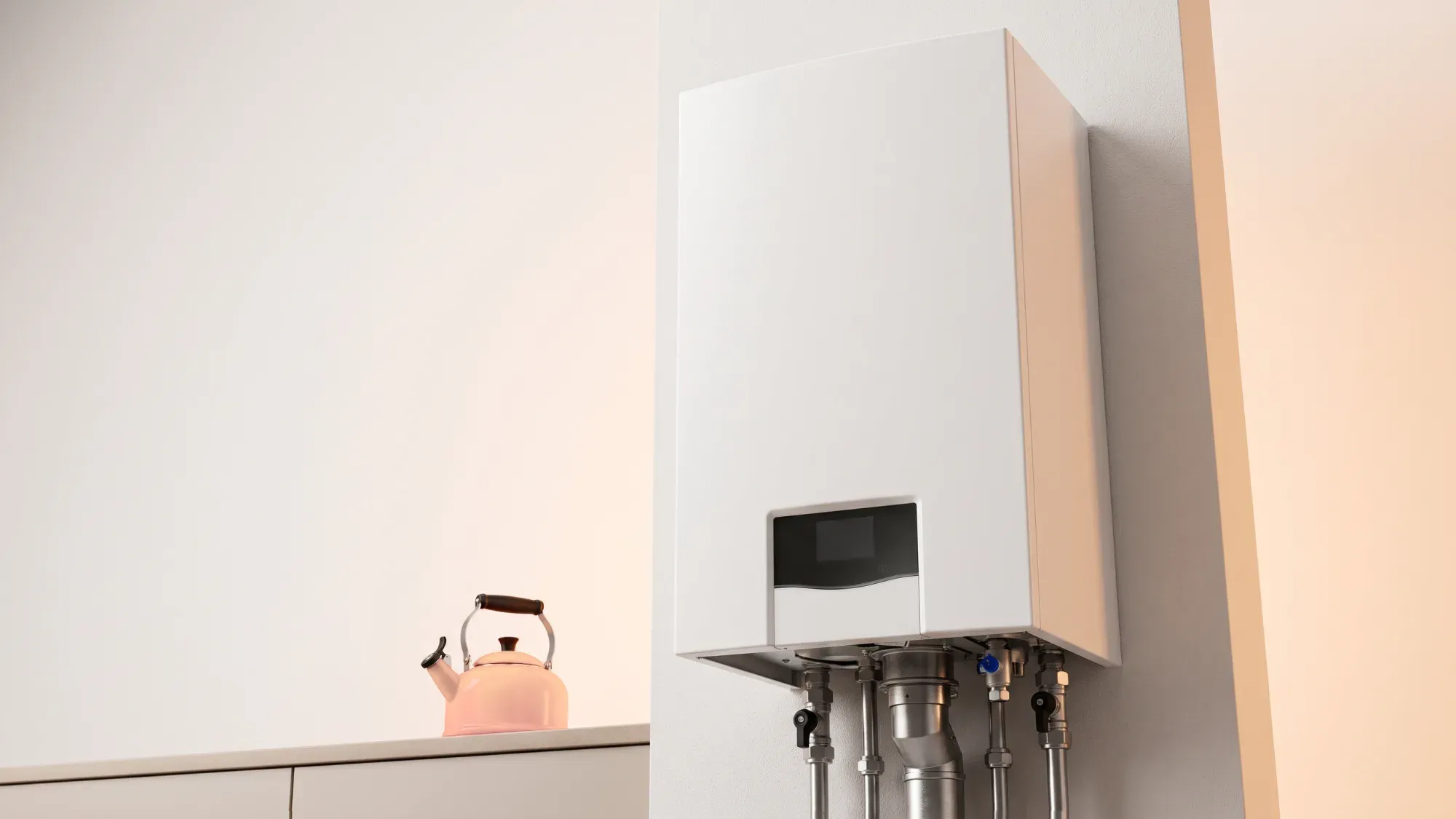
Boilers in the UK typically last between 10 and 15 years, but their efficiency often declines significantly after a decade. Knowing the optimal time to replace yours is a power play, offering greater control over your energy consumption and household costs. This guide will help you identify when an upgrade makes financial and practical sense, transforming your home heating into a more efficient, abundant system.
Understanding your boiler's lifespan
Knowing how long your boiler is designed to last is the first step in deciding when to replace it. Waiting until it completely fails can lead to unexpected breakdowns and more expensive emergency replacements.
Average boiler age
The average lifespan for a boiler in the UK typically ranges from 10 to 15 years. However, this is an average; some boilers may last longer with diligent maintenance, while others might fail sooner. Beyond this age, even if still operational, a boiler's efficiency often declines significantly, making it more costly to run.
Factors affecting longevity
Several factors dictate how long your boiler will reliably serve your home. Regular maintenance is crucial; an annual check-up can identify minor issues before they escalate, prolonging the unit's life. The quality of the initial installation also plays a crucial role, as does the type of boiler and how frequently it is used.
When age becomes a factor
Even if an older boiler appears to be working, its age can be a hidden cost. Modern condensing boilers often achieve over 90% efficiency, significantly higher than older, less efficient models. An old, inefficient boiler can add hundreds of pounds to annual energy bills compared to a new, A-rated model.
Key signs your boiler needs replacing
Ignoring early warning signs of boiler decline can result in costly emergency repairs or safety hazards. Pay attention to these indicators that your boiler might be nearing the end of its useful life.
Decreased efficiency and higher bills
If your energy bills are steadily climbing without a corresponding increase in usage, your boiler's efficiency might be dropping. Older boilers work harder to produce the same amount of heat, consuming more fuel in the process.
Frequent breakdowns or repairs
A boiler that requires frequent repairs is a clear sign it is struggling. While a one-off fix might be manageable, recurring issues suggest underlying problems and can quickly become expensive.
Unusual noises or smells
Strange noises like banging, gurgling, or whistling coming from your boiler are not normal. These can indicate issues such as limescale build-up or pump problems. Similarly, unusual smells, especially metallic or sulphur-like odours, should prompt immediate investigation by a Gas Safe registered engineer.
No hot water or heating
The most obvious sign of a failing boiler is a lack of hot water or heating. While this could be a minor fault, if it happens repeatedly or cannot be easily resolved, it points to a more serious problem.
Visible leaks or corrosion
Any visible leaks around your boiler, no matter how small, indicate a problem that needs addressing. Corrosion on the boiler's exterior can also signal internal issues and potential safety risks.
The benefits of upgrading your boiler
Replacing your boiler is not just about avoiding breakdowns; it is an opportunity to improve your home's comfort, reduce energy costs, and gain better control over your heating.
Improved energy efficiency and cost savings
Modern boilers are significantly more efficient than older models. All new boiler installations in England must comply with Boiler Plus standards, requiring a minimum efficiency of 92% ErP (Energy-related Products) and additional energy-saving measures. This higher efficiency translates directly into lower energy consumption and substantial long-term savings on your energy bills.
What are Boiler Plus standards?
Boiler Plus standards, introduced in April 2018, mandate that new boiler installations in England achieve a minimum efficiency of 92% ErP. They also require additional energy-saving measures, such as a smart thermostat with automation and optimisation functions, a load compensating control, or a weather compensating control, to further enhance efficiency.
Enhanced reliability and peace of mind
A new boiler comes with the assurance of modern engineering and typically a manufacturer's warranty, offering peace of mind. You will experience fewer breakdowns and more consistent heating, avoiding the inconvenience and stress of an unreliable system.
Better control and smart home integration
New boilers often integrate seamlessly with smart home technology, including smart thermostats. This allows for precise control over your heating schedules and temperatures, even remotely, optimising comfort and energy use.
Reduced environmental impact
With higher efficiency, modern boilers burn less fuel to heat your home, leading to a reduction in your carbon footprint. This contributes to a more sustainable lifestyle and aligns with broader environmental goals.
Making the decision: repair vs replace
Deciding whether to repair an existing boiler or invest in a new one involves weighing several factors, including cost-effectiveness and future considerations.
Calculating the cost-effectiveness
Consider the "50% rule": if the cost of repairing your boiler is more than 50% of the cost of a new one, replacement is usually the more economical choice in the long run. Factor in not just the immediate repair cost, but also potential future repairs and the cumulative cost of running an inefficient appliance.
Considering future regulations and technology
The energy landscape is evolving, with a growing emphasis on efficiency and lower carbon emissions. Investing in a new, highly efficient boiler ensures your heating system is compliant with current regulations and better prepared for future changes.
Boiler Plus standards and what they mean for you
As mentioned, Boiler Plus standards ensure that new installations are highly efficient and incorporate smart controls. This means that upgrading your boiler is not just about replacing old with new, but about installing a system designed for optimal performance and energy management from the outset.
Taking control of your home energy
Upgrading to an efficient boiler gives homeowners more control over their energy consumption and household costs.
Monitoring your usage with smart tools
Once you have a new, efficient boiler, smart tools become even more valuable. The Fuse Energy app, for example, can help you monitor your energy usage in real-time, allowing you to understand and maximise the efficiency gains from your new boiler. This capability empowers you to make informed decisions about your heating.
Maximising efficiency post-installation
A new boiler is only as efficient as its operation. Utilise smart thermostats to set optimal heating schedules, avoid overheating rooms, and take advantage of features like load or weather compensation. Regular servicing will also keep your new boiler running at peak efficiency.
Your next steps to an empowered home
By understanding your boiler's lifespan, recognising warning signs, and embracing the benefits of modern technology, you can take control of your home's heating. This allows you to optimise your energy use, contributing to a future with 'power to play with' rather than rationing energy. Consult with a Gas Safe registered engineer to confirm the best replacement solution for your home and begin your journey to a more efficient, controlled, and comfortable living space. Fuse Energy offers installation of the Vaillant ecoTEC Plus gas boiler, a reliable and highly efficient choice for modern homes.
For the avoidance of doubt, this article is provided for informational purposes only and is not intended to constitute legal or financial advice. The author and/or Fuse Energy shall not be responsible for any losses arising out of any reliance on the information contained herein.