How much is a new boiler?
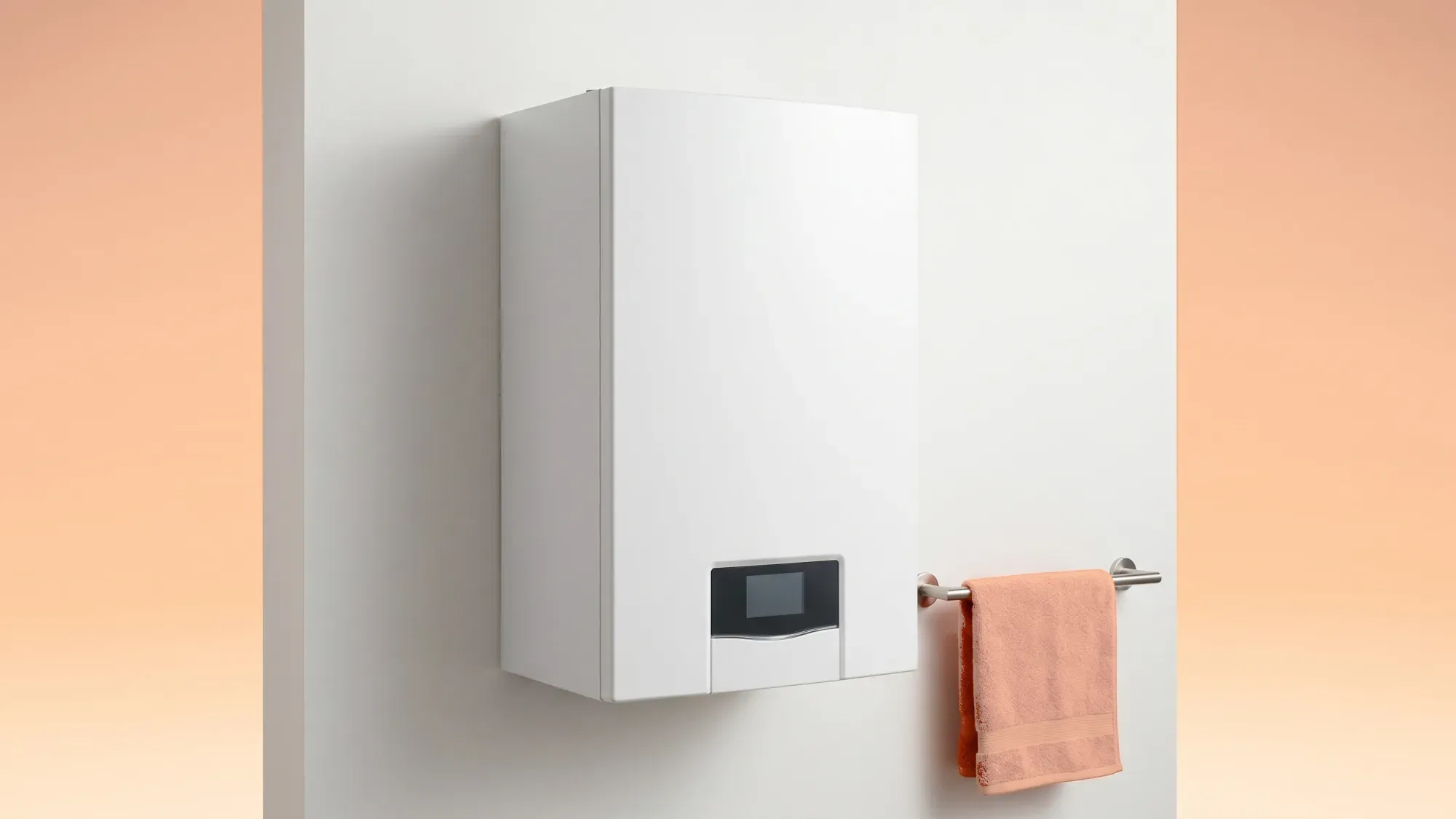
Replacing your boiler is a significant investment for any UK homeowner or landlord. It's natural to want to understand the new boiler cost, what influences the price, and how to maximise your savings. From the initial installation to long-term running costs, this guide breaks down everything you need to know to make an informed decision and keep your property warm and efficient.
Understanding your energy usage is key to managing costs. At Fuse Energy, we empower you to track the impact of your energy upgrades, such as a new boiler, heat pump, or solar panels.
Key factors influencing new boiler costs and types
The price of a new boiler isn't a fixed figure. Several key factors come into play, including the type of boiler, its size, the complexity of the installation, and even your location. Getting a clear picture of these elements will help you budget effectively for your boiler replacement.
Understanding average prices for combi, system, regular, and electric boiler installation
When considering how much a new boiler is, the type you choose is a primary driver of cost. Here's a breakdown of average prices for boiler installation, including the unit and labour, as of 2024:
- Combi boiler: These are the most popular choice in the UK, providing both heating and hot water directly from the unit. A new combi boiler installation typically ranges from £1,500 to £4,500, with averages often cited between £3,000 and £3,800.
- System boiler: Ideal for homes with multiple bathrooms, system boilers require a hot water storage cylinder but don't need a cold water tank. Expect to pay between £500 and £2,000 for a new system boiler1.
- Regular boiler (conventional): These traditional boilers require both a hot water cylinder and a cold water tank, making them suitable for larger homes with older heating systems. Costs for a new regular boiler installation can be anywhere from £1,000 to £2,0002.
- Electric boiler: For properties without a gas supply, an electric boiler is an alternative. While the units themselves can be cheaper, running costs are generally higher since electricity costs more than gas. However, paired with solar panels, electric boilers can be cost-effective. Electric boiler purchase and installation costs can amount to between £1,300 to £4,000 for smaller sized properties and up to £10,000 for larger properties3.
Beyond the boiler type, other factors like the boiler's kilowatt (kW) output (size), whether you're relocating the boiler, the need for new pipework, or adding smart thermostats will impact the final new boiler cost. Always ensure your boiler installation is carried out by a Gas Safe registered engineer for gas boilers, as this is a legal requirement in the UK.
Maximising value: efficiency, grants & ongoing care
Investing in a new boiler isn't just about the upfront cost; it's about the long-term value it brings through energy efficiency and reliable performance. A modern, efficient boiler can significantly reduce your energy bills and potentially qualify you for financial support.
How a new boiler can reduce your energy bills, plus service and cover
A new, energy-efficient boiler is a smart investment that can lead to substantial savings on your energy bills. Older boilers can be as little as 60-70% efficient, meaning a significant portion of the energy you pay for is wasted. Modern boilers, however, are typically over 90% efficient, with new models often exceeding 92% efficiency since the implementation of 2018 regulations4. This means less energy is consumed to heat your home and water, directly translating into lower monthly charges on your Fuse Energy bill. Upgrading from an old, inefficient boiler could save you hundreds of pounds annually on fuel costs.
To further reduce the financial burden, look into government grants and schemes. The Boiler Upgrade Scheme (BUS), for example, offers grants towards low carbon heating systems like heat pumps and biomass boilers, for those looking to move away from fossil fuel heating. Eligibility for BUS typically requires you to own the property, be replacing a fossil fuel system, and have a valid Energy Performance Certificate (EPC). Other government or regional schemes, such as the Energy Company Obligation (ECO) or the Warm Homes: Local Grant, might also provide support for energy-efficient home improvements.
Once your new boiler is installed, ongoing care is vital. Regular boiler service ensures it runs efficiently and safely, prolonging its lifespan. Many homeowners also opt for boiler cover or boiler insurance, offered by providers like British Gas HomeCare or CORGI HomePlan, to protect against unexpected repair costs. This can provide peace of mind and help manage future expenses, ensuring your new boiler continues to deliver warmth and value for years to come.
References
- Vaillant. What is a system boiler?
- Checkatrade. How much does a new boiler cost in the UK in 2026?
- MyBuilder. How Much Does an Electric Boiler Cost?
- Which?. Boiler energy efficiency explained
Disclaimer
For the avoidance of doubt, this article is provided for informational purposes only and is not intended to constitute legal or financial advice. The author and/or Fuse Energy shall not be responsible for any losses arising out of any reliance on the information contained herein.