How long do solar panels last?
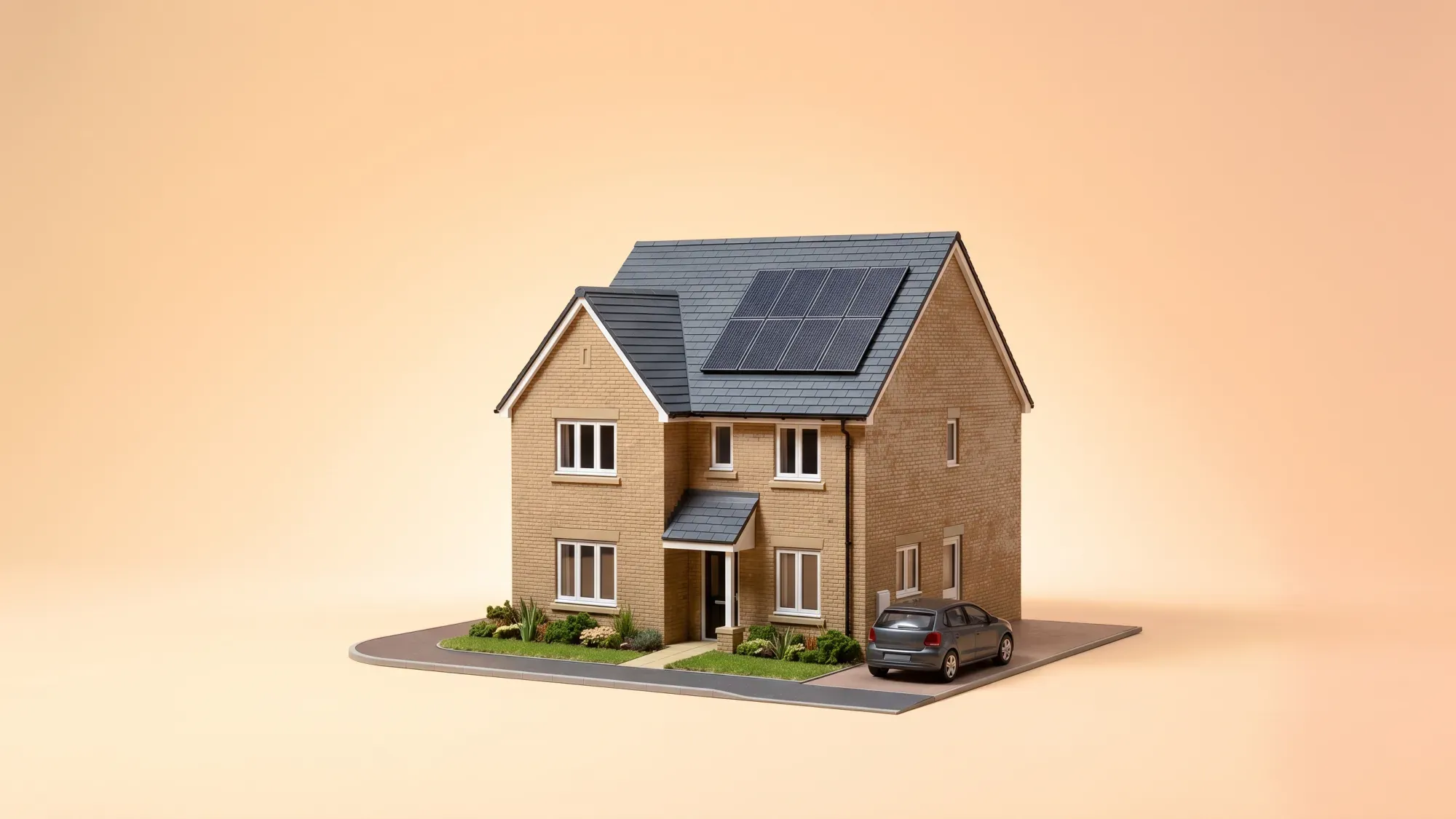
Solar panels represent a significant commitment to your home's energy future, offering lasting independence. Understanding solar panel longevity is key to ensuring your investment delivers reliable power for decades. This article cuts through the noise to provide a clear, UK-specific understanding of how long solar panels last.
Understanding solar panel lifespan
Understanding the longevity of your solar panel system is crucial for appreciating its true value. It is not just about how long the panels physically remain on your roof, but how effectively they continue to generate electricity over time.
Average life of a solar panel
Modern solar panels are built for endurance, typically designed to last for 25 to 30 years. Many systems continue to produce electricity well beyond this period, often remaining functional for 30 to 40 years or even longer, providing a consistent source of clean energy for your home.
Lifespan versus warranty: what's the difference?
It is easy to confuse a solar panel's lifespan with its warranty period, but they serve different purposes. The lifespan refers to the actual operational duration of the panels. Warranties, however, are contractual guarantees from manufacturers. A typical performance warranty guarantees that panels will still produce 80-90% of their original output after 25 years. This means panels are expected to continue working effectively long after their warranty expires, albeit with a gradual reduction in output.
Factors affecting solar panel longevity
Several factors influence how long your solar panels will perform optimally. Understanding these can help you maximise your system's efficiency and lifespan.
Quality of materials and manufacturing
The quality of the photovoltaic (PV) cells, the encapsulant that protects them, and the panel's frame all contribute to its durability. High-quality materials and robust manufacturing processes reduce the likelihood of early degradation and physical damage, ensuring a longer operational life.
Installation quality and environment
Proper installation is crucial. Panels must be securely mounted, correctly wired, and positioned to minimise stress from wind or thermal expansion. Poor installation can lead to microcracks, moisture ingress, or overheating, all of which accelerate degradation. The immediate environment, such as shading from trees or nearby buildings, can also impact performance.
Weather conditions in the UK
While extreme heat can accelerate degradation, the UK's milder climate can actually be beneficial for solar panel longevity. Panels are built to withstand various weather conditions, including high winds, hail, and heavy snowfall. However, consistent exposure to damp conditions or significant temperature fluctuations can contribute to wear over many years.
Degradation rates explained
Solar panel degradation is the natural, gradual reduction in power output as PV cells age. The average degradation rate for solar panels is around 0.5% per year. This means that after 20 years, your panels will still generate around 90% of their original output. This slow decline ensures that panels continue to provide substantial energy for decades.
What is solar panel degradation?
Solar panel degradation refers to the gradual decline in a panel's power output over time. This is a normal process where efficiency slowly reduces, typically by about 0.5% per year, due to factors like UV exposure, thermal cycling, and moisture ingress. Panels rarely fail completely but rather produce slightly less electricity each year.
Maximising your solar panel's lifetime
Proactive care can significantly extend the life and efficiency of your solar panel system.
Regular cleaning and inspections
While solar panels require minimal maintenance, occasional cleaning can prevent efficiency losses caused by dirt, dust, or bird droppings. Regular visual inspections can also help identify any potential issues, such as loose wiring or physical damage, before they become serious problems.
Professional maintenance and monitoring
Professional maintenance, though not frequently needed, can ensure your system operates at its best. This might involve checking electrical connections, optimising panel angles, or assessing the overall system health. Monitoring your system's performance, often via a dedicated app, allows you to spot any unexpected drops in output that might indicate a problem.
Protecting against environmental damage
Panels are robust, but extreme events can cause damage. Ensuring your panels are installed to withstand local weather conditions and addressing any potential hazards, such as overhanging branches, can protect your investment.
Lifespan of other solar system components
While solar panels are the most visible part of your system, other components also have their own lifespans that homeowners should consider.
Solar inverters
The inverter converts the direct current (DC) electricity produced by your panels into alternating current (AC) usable by your home. Inverters typically have a shorter lifespan than panels, often needing replacement after 10 to 15 years. Some microinverters may last longer. Budgeting for an inverter replacement is a sensible part of long-term solar ownership.
Solar batteries
If you have a solar battery storage system, its lifespan is also a key consideration. Most solar batteries last between 5 and 15 years, with lithium-ion batteries typically lasting 10 to 15 years. Battery warranties usually cover a certain number of cycles or a specific capacity retention over a period, often around 10 to 12 years, guaranteeing 60-80% capacity retention. Like inverters, batteries are designed to be replaced within the overall lifespan of your solar panel system.
Mounting systems and cabling
The mounting system that secures your panels to the roof is designed for durability, often lasting as long as the panels themselves. High-quality cabling is also built to withstand environmental exposure for decades. These components typically require less attention but should be included in any comprehensive system inspection.
The long-term value of solar panels
Understanding the multi-decade lifespan of solar panels reveals their profound long-term value for UK homeowners.
Continued energy savings beyond warranty
Even after the 25-year performance warranty period, solar panels continue to generate electricity, meaning continued savings on your energy bills. The average UK home uses around 2,700 kWh of electricity per year1, and a well-maintained solar system can significantly reduce reliance on grid electricity for decades. This extended period of free energy generation enhances the overall financial return on your initial investment.
Enhancing home value and energy independence
A long-lasting solar system not only provides ongoing energy savings but also adds significant value to your home. It offers sustained energy independence, shielding you from fluctuating energy prices and contributing to a more sustainable lifestyle. This makes your property more attractive to potential buyers who value lower running costs and environmental benefits.
What happens after 25-30 years?
Solar panels do not suddenly stop working after 25 or 30 years. Instead, their output gradually declines. Many systems continue to generate useful electricity for 30, 40, or even 50 years. The decision to replace them usually comes down to whether the reduced output still meets your energy needs or if newer, more efficient technology offers a compelling upgrade.
Making a smart investment with Fuse
Investing in solar panels is a strategic 'power play' for your home's energy future. Fuse Energy is committed to providing the clarity and support you need to make confident, long-term decisions about your energy. We believe in a future with 'power to play with', where abundant energy is a given, not a luxury.
References
Disclaimer
For the avoidance of doubt, this article is provided for informational purposes only and is not intended to constitute legal or financial advice. The author and/or Fuse Energy shall not be responsible for any losses arising out of any reliance on the information contained herein.