How plug-in solar panels work
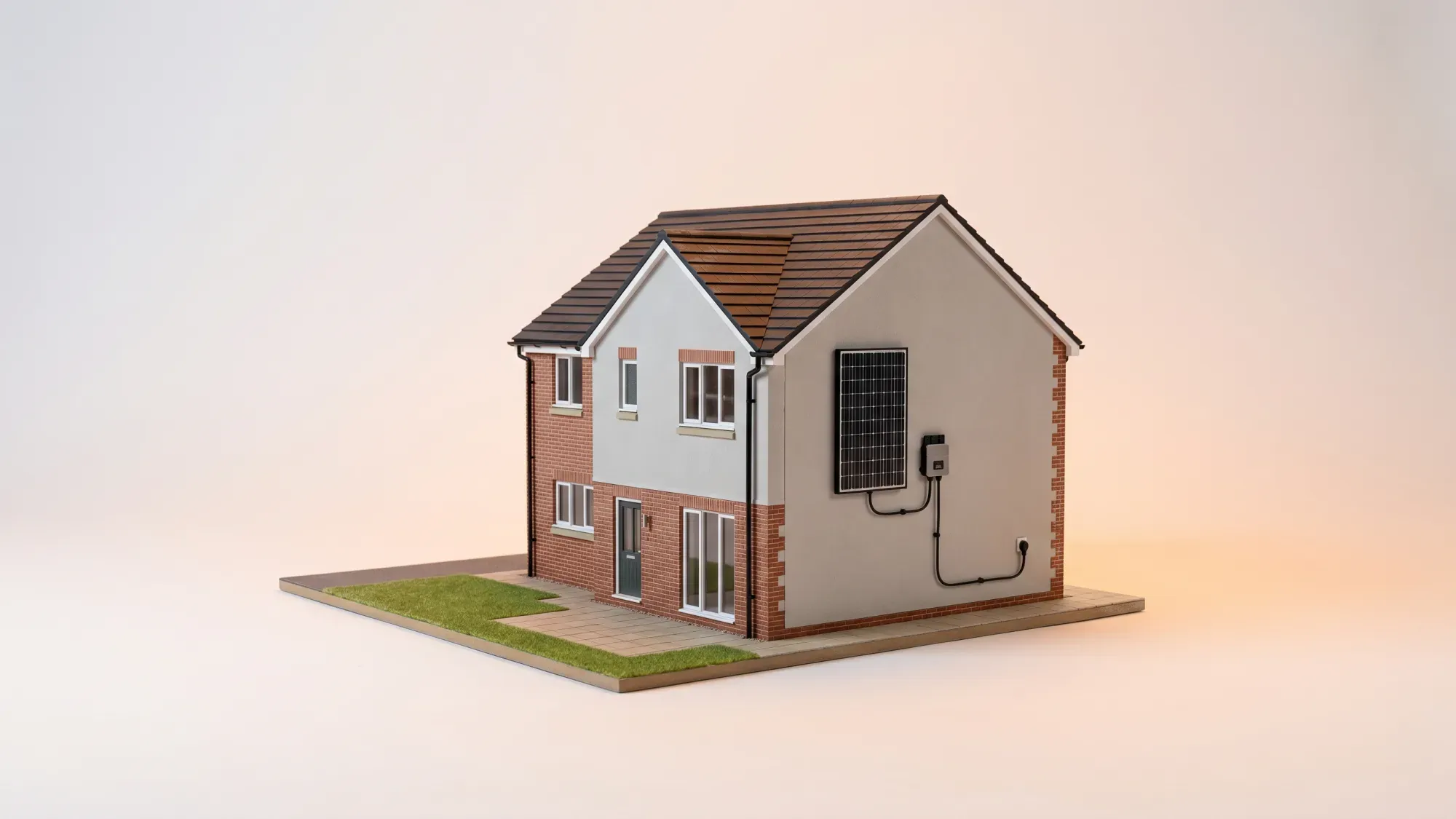
Plug-in solar panels offer a straightforward way for UK homeowners and renters to generate their own electricity and reduce energy bills. These small, self-installed systems connect to a standard wall socket, making solar power more accessible than ever before. This guide explains how these systems function, the UK's legal framework, and practical considerations for reducing your energy costs.
What are plug-in solar panels?
Plug-in solar panels, sometimes called "balcony solar" or "plug-and-play solar", are designed for simplicity. They allow individuals to take a more active role in their energy consumption without complex installations.
Understanding the concept
These systems typically consist of one or two solar panels and a microinverter. Unlike traditional rooftop solar installations, plug-in panels are portable and can be placed in various outdoor spaces such as balconies, patios, or gardens. Their smaller size and minimal installation requirements make them a more affordable entry point into solar energy for many UK homes.
Key components of a system
A plug-in solar system primarily comprises two essential components:
- Solar panel: This component captures sunlight using photovoltaic (PV) cells, converting it into direct current (DC) electricity.
- Microinverter: Attached to the solar panel, the microinverter converts the DC electricity into alternating current (AC) electricity. AC is the type of power used by household appliances and supplied by the National Grid.
How plug-in solar panels generate electricity
The process of converting sunlight into usable household power involves a few key steps, ensuring the electricity is safe and compatible with your home's existing supply.
From sunlight to household power
When sunlight hits the solar panel, the PV cells absorb the energy and generate DC electricity. This raw DC power is then fed into the microinverter. The microinverter's built-in controls manage voltage, frequency, and output. Crucially, it also stops the system from feeding power into the grid during a power cut, ensuring safety.
The role of the microinverter
The microinverter's primary function is to convert the DC electricity from the panel into AC electricity. It also synchronises this AC power with the grid's frequency and voltage. This ensures that the electricity generated by your plug-in solar panel is compatible with your home's electrical system and the wider grid.
Powering your home and the grid
Once converted to AC, the electricity enters your home's consumer unit via a standard wall socket. This generated power then offsets your home's base-load electricity usage - the constant background draw from appliances like refrigerators or routers. Any electricity generated that your home does not use at that moment is exported to the grid.
UK legal and regulatory framework for plug-in solar
Understanding the specific UK regulations is crucial before installing a plug-in solar system. Recent legislation has clarified what is permitted for these accessible solar panel kits.
The SI 2026/848 legislation explained
Statutory Instrument (SI) 2026/848 has applied to compliant plug-in solar since 27 August 2026. This legislation amends the Plugs and Sockets etc. (Safety) Regulations 1994 (PSSR), introducing a narrow exemption for compliant plug-in solar devices. This change allows these systems to legally connect via a standard British Standard (BS) 1363 UK plug, which was previously prohibited for electricity-generating devices. The system must use a manufacturer-supplied, compliant BS 1363 UK plug only, with no adaptors or extension leads. Plug-in batteries and hybrid solar-battery systems are not covered by SI 2026/848.
Output limits and property restrictions
Under SI 2026/848, compliant plug-in solar panels in the UK have an 800W AC export limit per device. There is also a 2,000W DC input cap on the panel side. The legislation permits one plug-in solar unit per property.
DNO notification under G98
Installation of a plug-in solar system requires notification to the Distribution Network Operator (DNO). The consumer or their supplier must notify the DNO under G98 within 28 days of installation. This notification ensures the DNO is aware of microgeneration connected to their network, which is important for grid stability and safety.
Benefits and practical considerations for UK homes
Plug-in solar panels offer tangible benefits for UK homes, primarily through reducing electricity bills. However, it is important to understand how these savings are generated and what practical steps are involved.
Reducing your electricity bills through self-consumption
The primary way plug-in solar panels save you money is by reducing the amount of electricity you need to buy from the grid. By offsetting your home's base-load usage, you consume less from your supplier. For an illustrative Direct Debit household on the Ofgem price-cap default tariff for 1 July to 30 September 2026, electricity is 26.11p per kWh. The average UK home uses around 2,500 kWh of electricity per year. Understanding your energy bill explained can help you see these savings more clearly.
Do plug-in solar panels qualify for the Smart Export Guarantee (SEG)?
No, plug-in solar panels do not qualify for the SEG because they are self-installed and do not have the Microgeneration Certification Scheme (MCS) certification required for SEG eligibility. While unused generation still goes to the grid, the main savings come from self-consumption. Suppliers may offer their own export tariffs outside the SEG scheme.
Without a battery, unused plug-in solar generation cannot be stored for later self-use; it goes to the grid. Therefore, maximising self-consumption during daylight hours is key to optimising savings.
Installation options and placement
Plug-in solar panels are designed for self-installation, making them a flexible option for various property types. They can be placed in sunny locations such as balconies, patios, or gardens. When assessing your property, consider areas that receive direct sunlight for the longest periods throughout the day. For those interested in monitoring their usage, a smart meter installation can provide valuable insights.
Smart Export Guarantee (SEG) and export tariffs
Plug-in solar panels do not qualify for the SEG. This is because SEG requires MCS certification, which self-installed plug-in kits typically do not have. While this means you will not receive the mandated SEG rate for exported electricity, some suppliers may still offer their own export tariffs for unused generation outside the SEG scheme. However, the most significant financial benefit comes from self-consuming the electricity you generate.
Getting started with plug-in solar panels
If you are considering a plug-in solar system, a few steps will help you choose the right kit and ensure a smooth installation process.
Choosing a compliant plug-in solar kit
When selecting a plug-in solar kit, ensure it meets UK safety standards and is compliant with SI 2026/848. Look for systems with a declaration of compliance with the Interim Product Specification (IPS) and listed on the Energy Networks Association (ENA) Type Test Register. These kits will adhere to the 800W AC export limit and come with a manufacturer-supplied BS 1363 UK plug.
Self-installation and safety
Self-installation is permitted for compliant plug-in solar systems. Always follow the manufacturer's instructions carefully. While government safety testing did not find UK ring circuits or standard domestic wiring unsafe for plug-in solar, if you have any concerns about your property's electrical system, it is advisable to consult a qualified electrician.
Monitoring and maximising your savings
Once installed, monitoring your electricity usage and generation can help you maximise your savings. Aim to use high-energy appliances during daylight hours when your panels are generating electricity to increase your self-consumption rate. This direct use of generated power is where the most significant savings are made. Learning how to read your meter can be a useful skill for tracking your energy consumption.
Disclaimer
For the avoidance of doubt, this article is provided for informational purposes only and is not intended to constitute legal or financial advice. The author and/or Fuse Energy shall not be responsible for any losses arising out of any reliance on the information contained herein.