Hot water stopped working troubleshooting
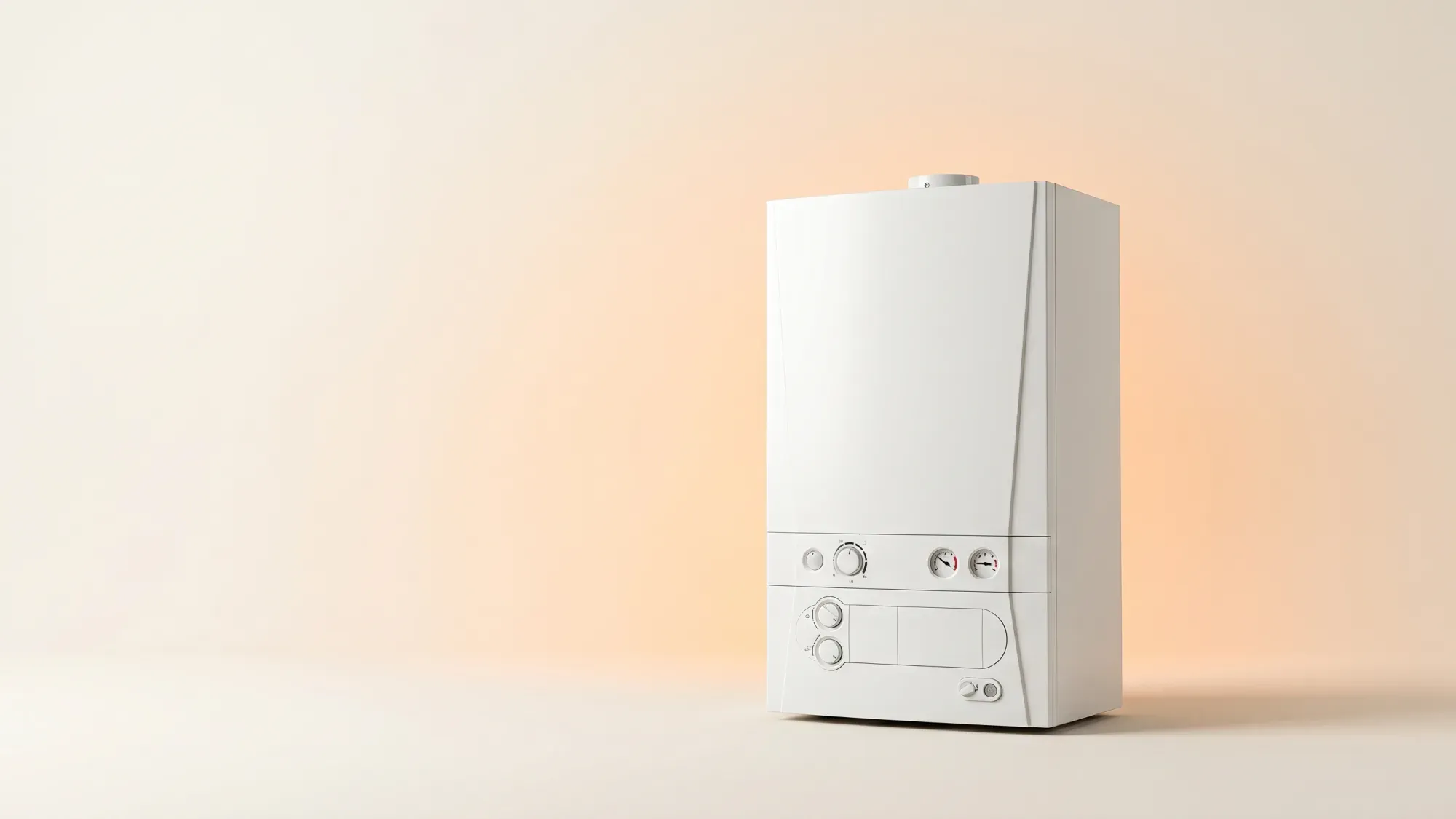
Losing hot water can be frustrating, especially in a busy household. Before you panic or call for an expensive emergency repair, there are several checks you can perform safely yourself. Understanding the common causes and knowing when to seek professional help can save you time, money, and unnecessary stress. This guide will walk you through immediate troubleshooting steps and explain when it is time to call a qualified engineer.
Managing your home's energy, including hot water, can be simpler with the right tools. Fuse Energy offers clear pricing and a modern energy experience designed around you. Click here to switch to Fuse Energy today.
Enter your address to get a quote and see how much you could save
Immediate checks when hot water stops working
When your hot water suddenly stops, start with the simplest explanations. These initial checks can often pinpoint a straightforward issue that you can resolve without professional help.
Is it a general power or gas cut?
First, determine if the problem is isolated to your hot water system or if it is a broader issue with your home's energy supply. Check if other gas appliances (like your hob or central heating) are working, or if other electrical items (lights, TV) are functioning.
If there is a general power cut, contact your Distribution Network Operator (DNO) by calling 105 or visiting their website. You can find your local DNO using the Energy Networks Association's "Who's my network operator?" tool. If you lose power due to a faulty energy meter, contact your energy supplier. You can find your electricity supplier using National Grid's "What's My Supplier?" tool.
If your gas supply is out, contact your energy supplier. You can find your gas supplier using the "Find My Supplier" tool. Remember, the National Gas Emergency Service number (0800 111 999) is only for gas leaks or if you smell gas, not for a general loss of supply.
This quick check can rule out widespread utility problems.
Check your thermostat and timer settings
It might sound obvious, but incorrect thermostat or timer settings are a frequent culprit. Ensure your hot water timer is set correctly and has not been accidentally turned off or overridden. If you have a separate thermostat for hot water, check its setting. Sometimes, a simple adjustment is all that is needed to restore your hot water supply.
Look for error codes on your boiler
Many modern boilers display error codes when a fault occurs. Check your boiler's display panel for any flashing lights or alphanumeric codes. Refer to your boiler's manual (or look it up online if you do not have a physical copy) to understand what the code means. This can provide a crucial clue about the nature of the problem.
Common reasons for no hot water
If the immediate checks do not resolve the issue, the problem likely lies within your hot water system itself. Here are some common reasons why you might have no hot water.
Low boiler pressure (combi boilers)
Low boiler pressure is a very common cause of hot water failure, particularly in combi boilers. Most combi boilers need to maintain a certain pressure (typically between 1 and 1.5 bar when cold) to operate correctly. If the pressure drops too low, the boiler will often shut down as a safety measure, leaving you without hot water or heating. This issue can often be resolved by the homeowner.
Immersion heater issues
If you rely on an electric immersion heater, the problem could be with the heating element or its thermostat. Immersion heaters are essentially large electric kettles inside your hot water cylinder. If the element fails, or the thermostat that controls the water temperature malfunctions, you will not get hot water. Check your Fuse box or consumer unit to ensure the circuit breaker for the immersion heater has not tripped.
Pilot light or ignition problems (gas boilers)
For older gas boilers, a pilot light that has gone out will prevent the boiler from firing up and heating water. Modern boilers use electronic ignition, and a fault with this system can also stop the boiler from operating. If you suspect a pilot light issue, follow your boiler's manual for instructions on how to safely relight it. If it is an ignition problem, it will likely require professional attention.
Faulty diverter valve
In a combi boiler, the diverter valve is responsible for directing hot water either to your taps or to your central heating system. If this valve becomes stuck or faulty, it might send all the hot water to your radiators (even if they are off) or fail to send it anywhere at all, resulting in no hot water from your taps.
Airlocks or blockages
An airlock can occur in your plumbing system when air becomes trapped, preventing water from flowing. This is more common in older systems. Blockages, caused by limescale or debris, can also restrict water flow and prevent your system from heating water effectively.
Step-by-step troubleshooting for homeowners
Before calling a professional, there are a few safe steps you can take to try and resolve the issue yourself. Always consult your boiler's manual for specific instructions for your model.
Safely resetting your system
Many boilers have a reset button. If you have identified an error code or suspect a temporary glitch, pressing the reset button (usually after waiting a few minutes) can sometimes clear the fault and restart the system. Never repeatedly reset your boiler without understanding the underlying cause, as this could exacerbate a problem.
Bleeding radiators (if heating is also affected)
If you have no hot water and your central heating is not working effectively, trapped air in your radiators could be part of the problem. Bleeding your radiators releases this trapped air, improving the circulation of hot water through your heating system. This can sometimes help restore overall system pressure and function.
Checking your water pressure
For combi boiler owners, checking and, if necessary, topping up the boiler pressure is a common homeowner task. Locate the pressure gauge on your boiler; it should typically read between 1 and 1.5 bar when the system is cold. If it is below this, you can usually re-pressurise the system using the filling loop, following your boiler's specific instructions.
What is the typical lifespan of a boiler in the UK?
A well-maintained boiler in the UK typically lasts between 10 and 15 years. Regular servicing can help extend its life, but efficiency often declines with age, making older models more expensive to run and more prone to breakdowns.
When to call a professional
While some issues are easily fixable, others require the expertise of a qualified professional. Attempting complex repairs yourself, especially involving gas or electricity, can be dangerous and should be avoided.
Gas safe registered engineers for gas appliances
Any work on gas appliances, including gas boilers, must be carried out by a Gas Safe registered engineer. The Gas Safe Register is the official body that ensures engineers are qualified and competent to work safely with gas. Never allow anyone who is not Gas Safe registered to work on your gas boiler.
Qualified electricians for electrical faults
If you suspect an electrical fault with your immersion heater, wiring, or any other electrical component of your hot water system, you should call a qualified electrician. Electrical work, especially fixed wiring, carries significant risks and should only be undertaken by trained professionals.
Plumbers for water leaks or pressure issues
For persistent water leaks, issues with your hot water cylinder, or if you are unable to resolve low boiler pressure yourself, a qualified plumber or heating engineer is your best bet. They can diagnose and fix problems like faulty diverter valves, airlocks, or more complex system issues.
Maintaining your hot water system for reliability
Once your hot water is back on, consider how to keep it running smoothly and efficiently. Most of a typical UK household's energy consumption is spent on heating and hot water, highlighting the importance of an efficient system.
Regular servicing and checks
Regular servicing by a qualified engineer can help prevent breakdowns and extend the life of your boiler. Most manufacturers recommend an annual service. This allows engineers to identify potential problems early, clean components, and ensure your system is running safely and efficiently. A boiler's average lifespan is 10-15 years, but this can be impacted by maintenance.
Understanding your energy usage for hot water
Understanding how much energy your hot water system consumes can empower you to manage and optimise its usage. While Fuse Energy does not offer repair services, we believe in giving you the "power to play with" your home's energy. Once your hot water system is functional, tools like the Fuse app can help you track your energy usage. This transparency allows you to make informed decisions about your energy use, contributing to a more stable and less wasteful energy system.
Take control of your home's energy. Fuse Energy offers clear pricing, real-time usage data, and 24/7 human customer support. Switching is quick and easy, helping you manage your bills effectively. Click here to switch to Fuse Energy today and discover a smarter way to power your home.
Disclaimer
For the avoidance of doubt, this article is provided for informational purposes only and is not intended to constitute legal or financial advice. The author and/or Fuse Energy shall not be responsible for any losses arising out of any reliance on the information contained herein.