Hemp insulation: a sustainable choice for UK homes
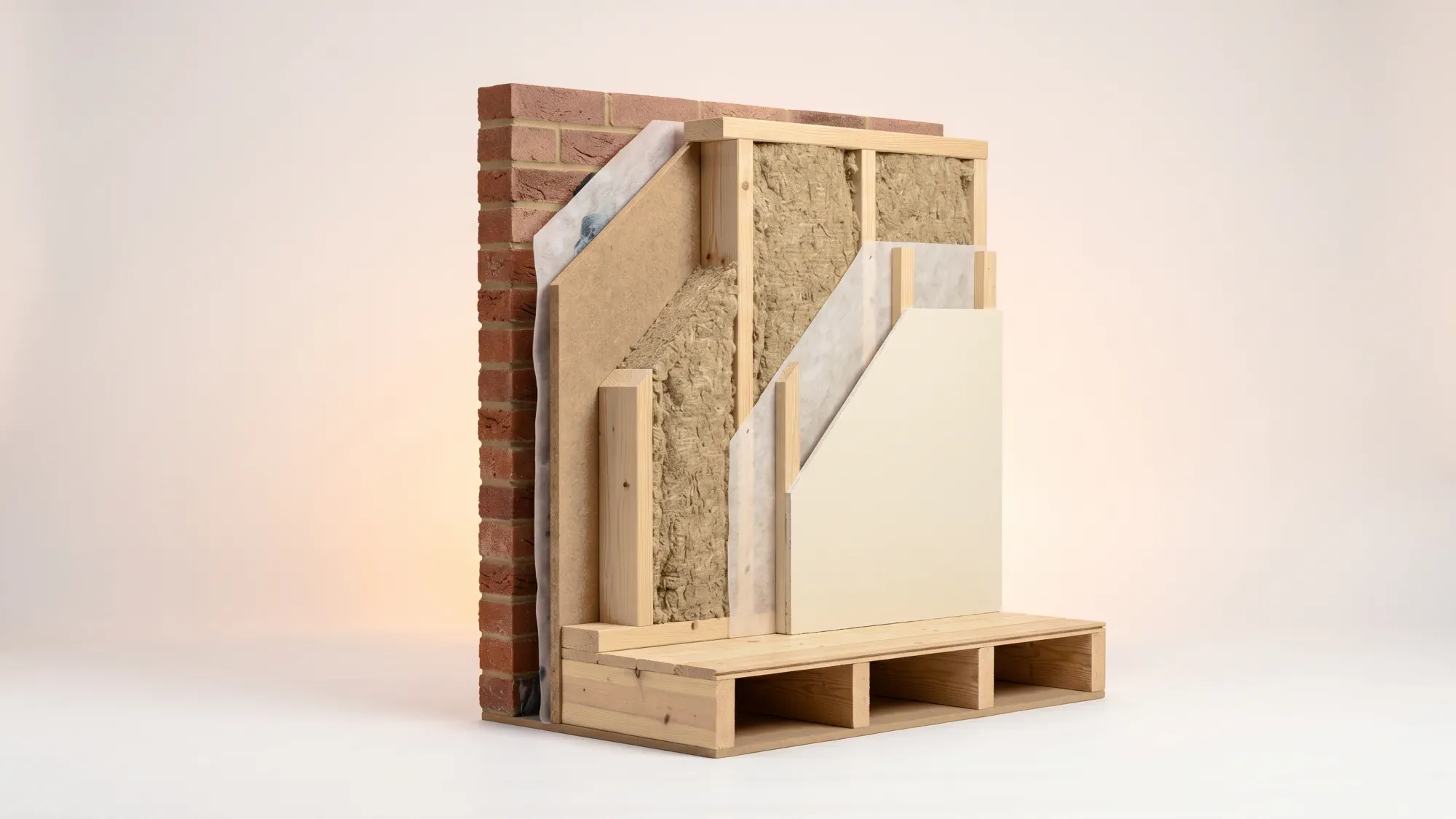
Choosing the right insulation for your home is a critical decision that impacts comfort, energy bills, and environmental footprint. For UK homeowners and self-builders seeking a natural, high-performance alternative, hemp insulation offers a compelling solution that aligns with a future of energy abundance. This guide explores the benefits, considerations, and practicalities of using hemp to insulate your property.
Hemp insulation can significantly reduce your home's energy demand, making your energy usage more efficient and less of a concern. Fuse Energy provides clear pricing and real-time usage data through its app, helping you manage your energy effectively. Click here to switch to Fuse Energy today.
Enter your address to get a quote and see how much you could save
What is hemp insulation?
Hemp insulation is a natural, rapidly renewable fibre crop suitable for insulating homes, offering both breathability and strong thermal performance. It is derived from the fibrous stalks of the industrial hemp plant, a fast-growing crop that requires minimal water and no pesticides or herbicides to cultivate.
Understanding hemp as a building material
Hemp has been used in construction for centuries, valued for its durability and versatility. As an insulation material, it leverages the plant's natural properties to create a product that not only insulates effectively but also contributes to a healthier indoor environment. Unlike some conventional materials, hemp insulation is often carbon-negative, meaning it sequesters more carbon dioxide (CO₂) during its growth than is emitted during its production.
Types of hemp insulation products
Hemp insulation is available in various forms to suit different applications within a building. Common product types include flexible batts or rolls, semi-rigid boards, and loose-fill options. These are designed to fit easily between structural elements like timber frames, joists, and rafters, making them suitable for lofts, walls, and floors.
Key benefits of hemp insulation
Opting for hemp insulation brings a range of advantages, from superior thermal regulation to significant environmental gains and improved indoor air quality.
Thermal performance and breathability
Hemp insulation excels in thermal resistance, typically boasting a thermal conductivity (lambda value) of 0.039 W/mK. This performance is comparable to traditional mineral wool, making it highly effective at maintaining stable indoor temperatures year-round. Beyond its insulating power, hemp's breathable nature is a significant differentiator. It can absorb and release moisture without compromising its thermal performance, acting as a "moisture buffer" that helps prevent condensation and mould growth. This vapour-open composition is crucial for preventing structural damage and ensuring a healthier living environment.
Environmental credentials and carbon footprint
Hemp is one of the most environmentally beneficial crops available to UK farmers. A single hectare of industrial hemp absorbs between 8 and 15 tonnes of CO₂ per year, outperforming many temperate forests in carbon capture. This rapid growth and high CO₂ absorption mean that hemp insulation products are often carbon-negative, locking carbon into buildings for the life of the structure. Choosing hemp insulation actively contributes to reducing embodied carbon emissions in construction, supporting broader climate goals.
Health and well-being advantages
Hemp insulation is non-toxic, plant-based, and contains no volatile organic compounds (VOCs) or chemical binders, meaning it does not off-gas harmful chemicals into your home. This significantly improves indoor air quality, making it an excellent choice for individuals with allergies or sensitivities. Furthermore, hemp insulation is naturally resistant to pests, insects, bacteria, and mould, partly due to its high silica content and inherent breathability, which deters unwanted infestations.
Considerations for UK homeowners and self-builders
While hemp insulation offers numerous benefits, it is important to consider its practical implications for UK properties.
Suitability for different property types
Hemp insulation is highly versatile and suitable for both new builds and retrofitting older properties. Its breathability is particularly advantageous for historic or timber-framed buildings, where managing moisture is crucial to prevent decay. However, proper design and installation, including appropriate ventilation and vapour control layers, are essential to ensure optimal performance and prevent moisture build-up, especially in areas prone to damp.
Cost implications and long-term value
The installed cost of hemp insulation in the UK typically ranges from £10.50 to £30 per square metre, depending on the product type, thickness, and supplier. While this can be slightly higher upfront than some conventional insulation materials, it is crucial to consider the long-term value. Hemp insulation's durability, consistent performance, and contribution to reduced energy demand can lead to significant savings on heating and cooling bills over the lifespan of your home. Factoring in these long-term energy savings and environmental benefits provides a more accurate picture of the overall project budget.
How does hemp insulation compare on cost?
Hemp insulation typically costs between £10.50 and £30 per square metre installed in the UK. While this can be more expensive than some conventional options like fibreglass (around £2.50 to £12.50 per square metre for materials only, or up to £25 per square metre installed), it offers long-term benefits in energy savings, durability, and environmental performance that can offset the initial investment.
Comparing hemp with other fibre insulation
Hemp insulation stands out among fibre insulation options. Its thermal performance is on par with mineral wool and sheep's wool. Compared to synthetic alternatives like fibreglass, hemp is non-toxic and does not off-gas, contributing to healthier indoor air quality. While some synthetic foams might offer slightly higher R-values per inch, hemp maintains its thermal performance over time and offers superior moisture management, making it a robust choice for long-term building health. For more ways to keep your home warm, explore our energy-saving tips.
Installation, regulations, and maintenance
Successful integration of hemp insulation requires attention to installation best practices and adherence to UK building regulations.
Installation best practices
Hemp insulation is generally safe and easy to handle, often requiring minimal personal protective equipment during installation. However, proper installation is key to maximising its performance. This includes ensuring adequate ventilation and correctly implementing vapour control layers to manage moisture effectively. Consulting with a building professional experienced in natural insulation is advisable, particularly for complex projects or older properties, to ensure the design and installation are optimised for your specific home.
UK building regulations and certifications
All insulation materials used in UK construction must comply with relevant Building Regulations, including thermal performance (Part L) and fire safety (Part B). Part L sets minimum energy performance standards, requiring insulation to achieve specific U-values (a measure of heat transfer) to conserve fuel and power. Hemp insulation products should ideally carry certifications such as British Board of Agrément (BBA) or equivalent. These certifications provide independent assurance of a product's quality, performance, and suitability for meeting UK building regulations, making it easier for specifiers and builders to choose with confidence.
Longevity and maintenance of hemp insulation
Hemp insulation is designed to be durable and long-lasting, often expected to perform for the lifetime of the building. Its natural resistance to pests, mould, and structural degradation, combined with its ability to manage moisture, contributes to its longevity. Once properly installed, hemp insulation requires minimal maintenance, offering a reliable and enduring solution for your home's thermal envelope.
Hemp insulation and your home's energy future
Embracing natural materials like hemp insulation is a strategic move towards a more sustainable and energy-secure home.
Reducing energy demand with natural materials
Investing in high-performance, natural materials like hemp insulation is a proactive step towards an energy-secure future. By significantly reducing your home's energy demand for heating and cooling, hemp insulation makes the energy you do use feel more abundant and less of a concern. This aligns with a vision of "power to play with" - where energy is so readily available and efficiently used that it stops being a constant worry. It is about building a home that works with nature, not against it, to create a comfortable and efficient living space. Good insulation also complements other energy-efficient upgrades, such as installing an air source heat pump.
Integrating hemp into a smart energy strategy
Choosing hemp insulation is a "power play" that shifts control to the homeowner by reducing reliance on external energy. A well-insulated home, powered by natural materials, becomes a foundational element of a smart energy strategy. With lower energy demand, you gain greater flexibility in how you manage your remaining energy needs, whether through smart tariffs, renewable energy generation (like solar panels), or battery storage. This strategic move empowers you to "never settle" for high bills or uncomfortable homes, instead building a resilient and energy-efficient property that complements modern energy management solutions.
Sourcing hemp insulation in the UK
For UK homeowners and self-builders, finding the right hemp insulation products and suppliers is a crucial step.
Finding reputable suppliers
The market for natural insulation in the UK is growing, with several reputable suppliers offering hemp-based products. When sourcing, it is recommended to obtain samples and quotes from multiple UK hemp insulation suppliers. This allows you to compare product specifications, thermal performance data, and costs effectively. Look for suppliers who can provide clear information on the product's composition, certifications, and recommended applications.
Tips for choosing the right product
When selecting hemp insulation, consider the specific requirements of your project. Pay close attention to the thermal conductivity (lambda value) and density of the product, as these directly impact its insulating performance. Ensure the product meets UK building regulations and ideally carries certifications like BBA Agrément, which verifies its suitability for construction in the UK. Also, consider the form factor (batts, boards, loose-fill) that best suits your installation method and the area you intend to insulate.
Managing your home's energy should be clear and easy. Fuse Energy focuses on straightforward pricing, so you can see exactly what you are paying without unnecessary complexity. If you have a smart meter, you can view detailed usage data through the app or website, helping you understand how you can lower your bills. Our 24/7 human support team is always on hand with fast response times whenever you need help. Click here to switch to Fuse Energy today. Find out about our mission by clicking here.
Disclaimer
For the avoidance of doubt, this article is provided for informational purposes only and is not intended to constitute legal or financial advice. The author and/or Fuse Energy shall not be responsible for any losses arising out of any reliance on the information contained herein.