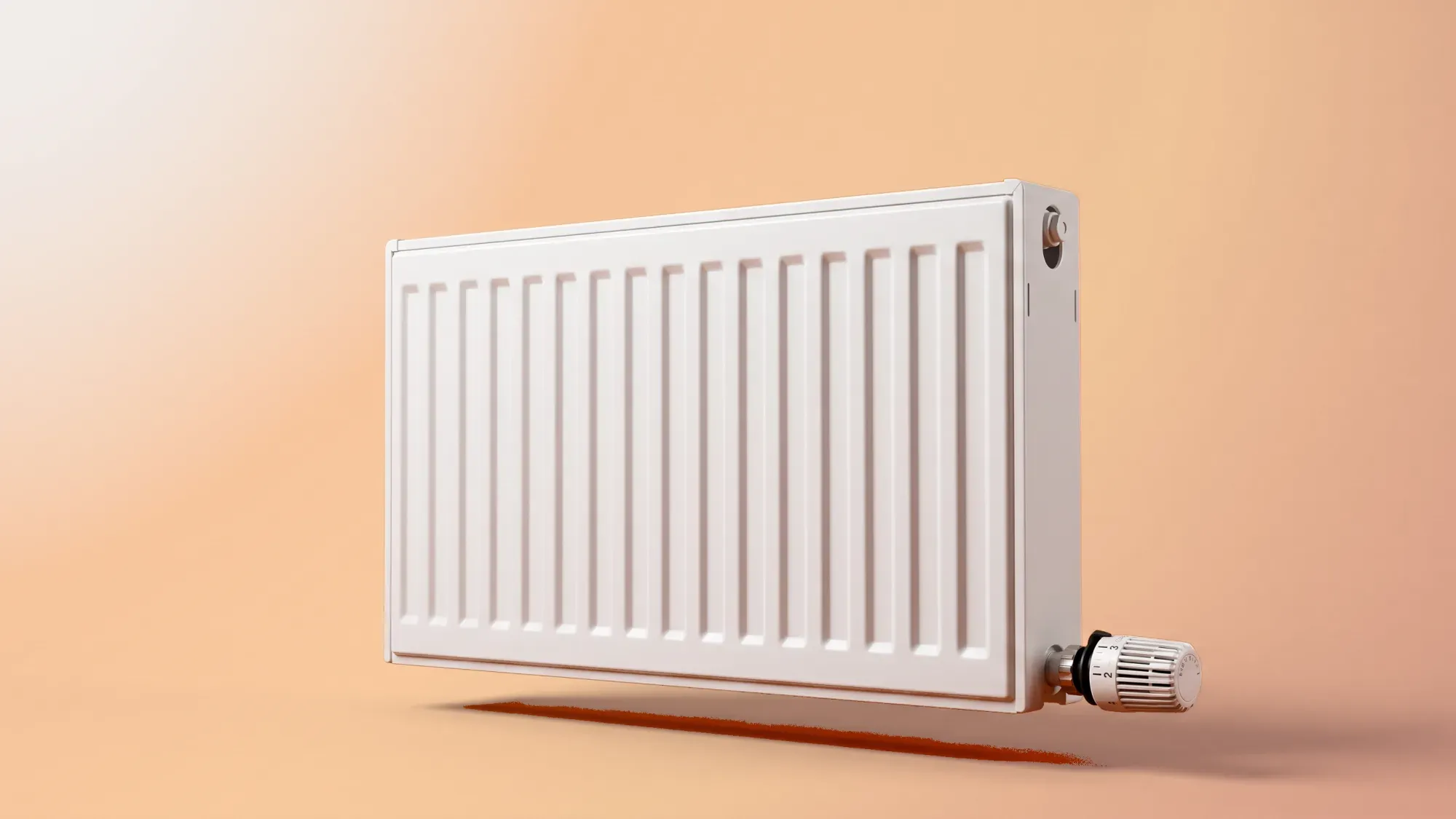
Heating your home in the UK doesn't have to be a constant battle between comfort and cost. Instead of rationing warmth, homeowners can achieve a state of 'power to play with' their heating, combining smart energy management with efficient systems to enjoy a comfortable home without excessive bills or environmental guilt. This guide explores how to optimise your heating choices for both present comfort and a future of abundant, clean energy.
Managing your home's heating effectively is key to both comfort and cost savings. Fuse Energy helps you stay in control with clear pricing and smart energy tools. Click here to switch to Fuse Energy today.
Knowing how your home is heated is the first step towards making informed decisions about efficiency and upgrades.
Central heating basics: how it works
Most UK homes rely on central heating, typically powered by a boiler that heats water. This hot water is then pumped through a network of pipes to radiators throughout the house, which radiate heat into each room. A thermostat usually controls the boiler, turning it on and off to maintain a set temperature.
Types of boilers: combi, system, and conventional
Boilers come in a few main types, each with different characteristics:
- Combi (combination) boilers: These are popular in the UK as they provide instant hot water on demand and heat your home directly from the mains, eliminating the need for a separate hot water tank.
- System boilers: These heat your central heating system directly and produce hot water for a storage cylinder. They require a hot water tank but don't need a cold water storage tank in the loft, making them suitable for homes with multiple bathrooms.
- Conventional (regular) boilers: These systems require both a hot water cylinder and a cold water storage tank, typically located in the loft. They are often found in older properties and can be a good choice for larger homes with high hot water demand.
Electric heating options: storage heaters, panel heaters, and underfloor
Electric heating offers alternatives to gas boilers, particularly in properties without a gas connection.
- Storage heaters: These use off-peak electricity (which is often cheaper) to store heat in ceramic bricks, releasing it gradually throughout the day.
- Panel heaters: These provide instant heat but can be more expensive to run than storage heaters if used frequently, as they operate on peak electricity tariffs.
- Underfloor heating: This system uses electric mats or warm water pipes installed beneath the floor to provide gentle, even heat across a room. It's often considered a premium heating solution for comfort.
Renewable heating solutions: air and ground source heat pumps
Heat pumps are a low-carbon heating technology that extracts heat from the air or ground and transfers it into your home. They don't generate heat directly but move it, making them highly efficient. Modern heat pumps can achieve efficiencies of 300-400% or more, meaning they produce 3-4 units of heat for every unit of electricity consumed.
Even without a full system overhaul, several strategies can significantly improve your home's heating efficiency and reduce energy waste.
Smart thermostats and advanced heating controls
Smart thermostats offer advanced control over your heating, learning your habits and adjusting temperatures automatically. Research indicates these devices can reduce household annual heating bills by up to 12% by optimising heating schedules and temperatures. They allow you to manage your heating remotely via a smartphone app, ensuring you only heat your home when necessary.
Zoned heating: heating only the spaces you use
Zoned heating allows you to divide your home into different areas, each with its own temperature control. This means you can heat living areas during the day and bedrooms at night, avoiding heating unoccupied spaces unnecessarily.
Insulation and draught-proofing: the first line of defence
Effective insulation in walls, lofts, and floors, along with thorough draught-proofing around windows and doors, is crucial. These measures prevent heat from escaping, reducing the workload on your heating system and keeping your home warmer for longer.
Radiator efficiency tips: bleeding and placement
Simple maintenance can boost radiator performance. Bleeding radiators releases trapped air that prevents them from heating effectively. Ensure radiators are not blocked by furniture or curtains, as this can hinder heat distribution into the room.
The debate between gas and electric heating is evolving, with new technologies and energy trends shaping the landscape.
Cost considerations and unit prices in the UK
Historically, gas has been cheaper per unit than electricity in the UK. According to Ofgem, the average UK home uses approximately 9,500 kWh of gas per year for heating. In contrast, the average UK home uses around 2,500 kWh of electricity per year. However, the overall cost depends on the efficiency of the heating system.
Efficiency and environmental impact comparison
Modern gas boilers are highly efficient, often exceeding 90% efficiency. However, they still rely on burning fossil fuels, contributing to carbon emissions. Electric heating, especially with technologies like heat pumps, can be significantly more efficient at the point of use (300-400% or more efficiency for heat pumps). As the UK grid decarbonises, electric heating becomes an increasingly environmentally friendly option.
The role of smart energy management and dynamic tariffs
Smart energy management systems and dynamic tariffs can make electric heating more cost-effective. By shifting electricity consumption to off-peak hours when prices are lower, or when renewable generation is high, homeowners can reduce running costs. This approach aligns with a future where energy is abundant and managed intelligently, empowering users to enjoy comfort without constant worry over bills.
Future trends and the electrification of heat
The UK is transitioning towards lower-carbon heating solutions to meet climate targets. This includes a push towards electrification of heat, with technologies like heat pumps playing a central role. This shift is supported by government policies and advancements in smart home technology.
Regular maintenance is key to ensuring your heating system runs efficiently, safely, and lasts longer.
Boiler servicing and safety checks
Regular boiler servicing is not just about safety; it also significantly improves efficiency and extends the lifespan of your unit. Annual servicing can improve efficiency by up to 15%. The Boiler Plus policy, introduced in April 2018, sets minimum efficiency standards for new boiler installations in England, requiring a minimum ErP efficiency of 92% and the inclusion of time and temperature controls.
Radiator bleeding and system pressure
Maintaining your radiators involves occasionally bleeding them to release trapped air, which can prevent them from heating properly. Checking and maintaining the correct system pressure, usually indicated on a gauge on your boiler, is also vital for efficient operation.
When to call a heating engineer: common issues and solutions
Don't ignore warning signs like unusual noises from your boiler, leaks, or a drop in system pressure. These can indicate underlying problems that a qualified heating engineer should address promptly to prevent more serious issues and maintain efficiency.
Making forward-thinking choices about your home heating can ensure long-term comfort, efficiency, and alignment with a sustainable energy future.
Considering heat pumps: benefits and considerations
Heat pumps are a significant step towards future-proofing your home heating. They offer high efficiency and reduce reliance on fossil fuels. The Boiler Upgrade Scheme (BUS) offers grants to homeowners in England and Wales to help with the cost of installing low-carbon heating systems like air source and ground source heat pumps, providing up to £7,500 off the cost and installation.
Smart home integration for holistic energy management
Integrating your heating system with broader smart home technology allows for holistic energy management. This can include optimising heating based on occupancy, weather forecasts, and even real-time energy prices, leading to greater control and efficiency across your entire home.
Preparing for a low-carbon, abundant energy future
The future of home heating is moving towards low-carbon, efficient, and intelligently managed systems. By understanding the options available and making smart choices today, you can prepare your home for a future where energy is abundant, clean, and empowers you to live comfortably without compromise.
Take control of your home heating and energy bills with Fuse Energy. We offer clear pricing, real-time usage data through our app, and 24/7 human customer support to help you make the most of your energy. Switching is quick and easy, so you can start enjoying a smarter energy experience designed around your needs.
Click here to switch to Fuse Energy today and discover a new way to manage your home's energy.