Heat pumps for UK homes
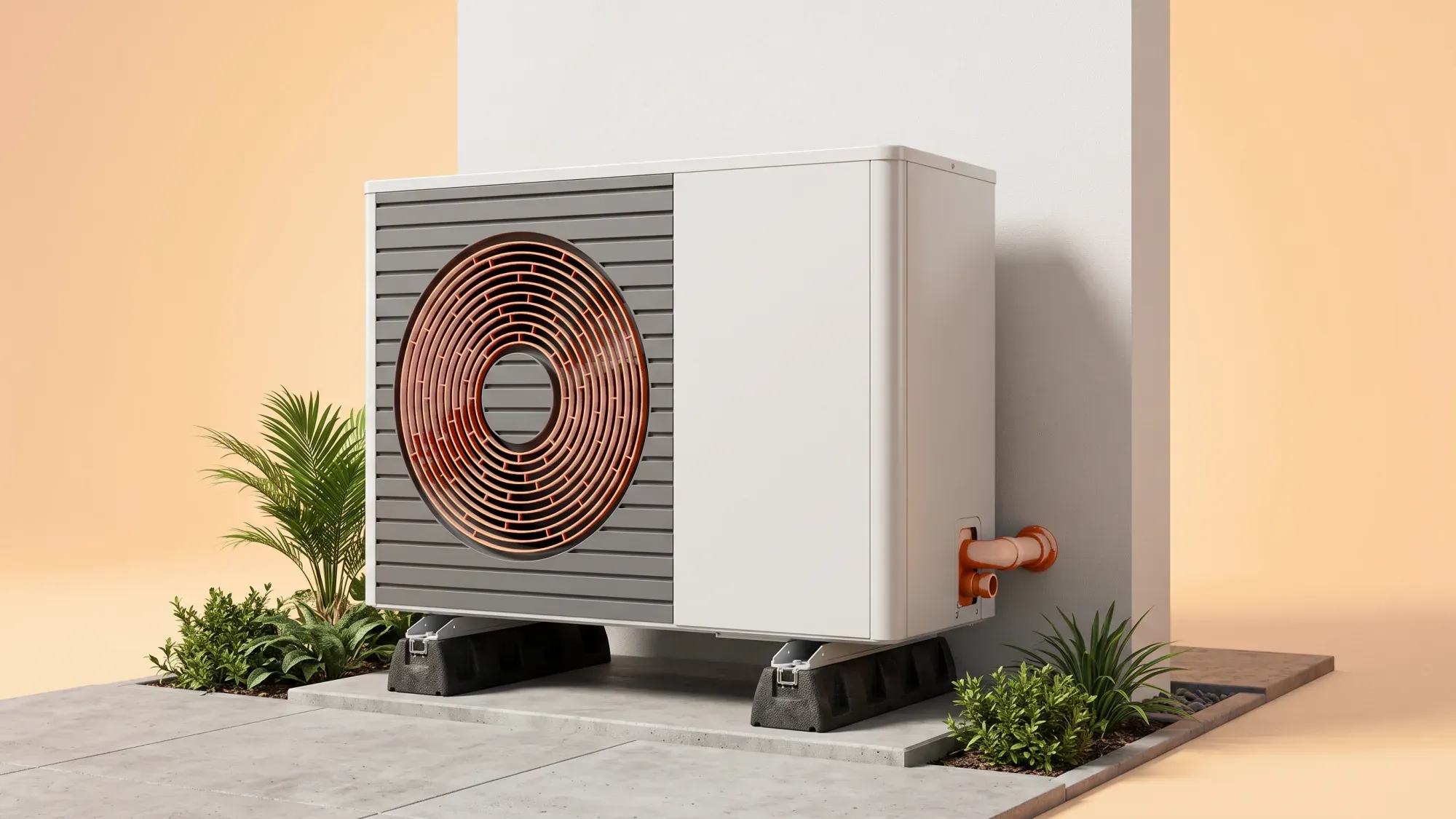
Navigating home heating in the UK means understanding a landscape shaped by distinct regional energy costs and varied housing stock. For many, the question isn't just about warmth, but about gaining control over energy bills and reducing environmental impact. Heat pumps offer a compelling answer, providing an efficient way to heat your home and hot water, even through a typical British winter.
What is a heat pump and how does it work?
Heat pumps are an increasingly popular heating system in the UK, designed to provide efficient warmth by moving heat rather than generating it. Unlike traditional boilers that burn fuel, heat pumps extract ambient heat from the air, ground, or even water sources, then concentrate and transfer it into your home's heating and hot water systems. This process makes them highly efficient, consuming less electricity to produce more heat.
Understanding the technology
At their core, heat pumps operate on the same principle as a refrigerator, but in reverse. They use a refrigerant to absorb low-grade heat from the environment outside your home. This refrigerant then passes through a compressor, which increases its temperature and pressure. The now-hot refrigerant releases its heat to your home's heating system (like radiators or underfloor heating) and hot water tank. After releasing its heat, the refrigerant cools, expands, and returns to absorb more heat from outside, continuing the cycle. This method means that for every unit of electricity used to power the pump, several units of heat energy are delivered to your home, making them far more efficient than direct electric heating.
Types of heat pumps for UK homes
The UK market primarily features two main types of heat pumps suitable for residential properties:
- Air source heat pumps (ASHPs): These are the most common type in the UK due to their relative ease of installation and lower upfront cost. ASHPs extract heat from the outside air, even when temperatures drop below zero. They can be air-to-water systems (heating water for radiators and taps) or air-to-air systems (distributing warm air via vents).
- Ground source heat pumps (GSHPs): GSHPs draw heat from the ground using a network of buried pipes. While more expensive and disruptive to install due to the excavation required, they offer very stable performance as ground temperatures are more consistent than air temperatures throughout the year. For a deeper dive into the differences, you can read about air source vs ground source heat pump options.
Both types are designed to function effectively in the UK's climate, with modern units maintaining high efficiency, measured by their Seasonal Coefficient of Performance (SCOP), across a typical UK winter when paired with sensible insulation.
Benefits of heat pumps for UK homeowners
Installing a heat pump can transform how you heat your home, offering significant advantages beyond just warmth. These systems provide a modern approach to energy, aligning with a future where energy is abundant and controlled.
Energy efficiency and lower carbon emissions
Heat pumps are remarkably efficient, typically delivering 3-4 units of heat for every unit of electricity consumed. This high efficiency directly translates into lower running costs compared to traditional fossil fuel boilers, especially as the electricity grid becomes increasingly decarbonised. By reducing your reliance on burning fossil fuels, heat pumps significantly lower your home's carbon footprint, contributing to the UK's net-zero targets.
Consistent comfort through a UK winter
A common concern for UK homeowners is whether heat pumps can cope with cold British winters. Modern heat pumps are specifically designed to perform efficiently even when outside temperatures are low. When correctly sized to the property and combined with good home insulation, they provide consistent, comfortable heating throughout the colder months. This means no more chilly spots or fluctuating temperatures; just a steady, ambient warmth.
Smart energy control for your home
Adopting a heat pump is more than just an upgrade; it is a practical choice for homeowners. It shifts the balance of power into your hands, giving you greater control over your energy usage and reducing your dependence on volatile fossil fuel markets. Integrating a heat pump into a smart home energy system allows you to optimise energy consumption, turning heating into an active advantage rather than a passive expense. This aligns with a vision of energy so abundant it stops being a constant concern, allowing you to have more comfort and capability.
Heat pump costs, grants, and potential savings
Understanding the financial aspects of heat pump installation and operation is crucial for UK homeowners. While the upfront cost can be higher than a traditional boiler, significant government support and long-term savings make them an attractive option.
Initial installation costs and running expenses
The cost of installing a heat pump in the UK varies widely depending on the type of system, the size of your property, and the complexity of the installation. Air source heat pumps (ASHPs) typically cost between £7,000 and £15,000 before grants are applied1. Ground source heat pumps (GSHPs) can range from £16,200 to £50,000, including installation, due to the extensive groundwork required. Running costs are influenced by the heat pump's efficiency, your home's insulation, and crucially, your electricity tariff. For more details on the financial outlay, explore our guide on air source heat pump cost.
Government grants: BUS and Home Energy Scotland
The UK government offers substantial financial incentives to encourage the adoption of heat pumps:
- Boiler Upgrade Scheme (BUS): For homeowners in England and Wales, the BUS provides a grant of £7,500 towards the cost of installing an air source or ground source heat pump. To qualify, you must own the property, which must be in England or Wales, and be replacing a fossil fuel heating system. A valid Energy Performance Certificate (EPC) is required, but the previous requirement for no outstanding insulation recommendations has been removed. Your installer must also be MCS-certified.
- Home Energy Scotland: In Scotland, homeowners can access support and grants for heat pump installations through Home Energy Scotland. This scheme offers a grant of up to £7,500 for a new heat pump, with an additional £7,500 available as an optional interest-free loan. For properties in rural or island locations, the grant can be uplifted to £9,000.
Regional energy bills and your savings potential
The UK's energy market is complex, with Great Britain divided into 14 electricity distribution regions. Ofgem's price cap sets different unit rates and standing charges for each region, meaning your electricity bill can vary significantly depending on where you live. This regional variation directly impacts the running costs and potential savings from a heat pump. By understanding your local electricity costs, you can better estimate the long-term financial benefits of switching to a heat pump.
How does my location affect my electricity bill?
Great Britain has 14 electricity distribution regions, and Ofgem's price cap sets different unit rates and standing charges for each. This means that the cost of electricity, and therefore the running cost of a heat pump, can vary depending on your specific location within the UK.
Is a heat pump right for your UK home?
Deciding if a heat pump is suitable for your property involves several key considerations, particularly given the diverse nature of the UK's housing stock.
Assessing your property's suitability and insulation
Heat pumps perform best in well-insulated homes. While they can work in older properties, improving your home's insulation (e.g., loft, cavity wall, or even solid wall insulation) before or alongside heat pump installation is often recommended. This ensures the system operates at peak efficiency, preventing heat loss and maximising comfort. A heat pump should also be correctly sized to your property's heating requirements to ensure it can meet demand effectively. Considering whether are heat pumps worth it for your specific situation involves looking at these factors.
The importance of MCS-certified installers
Choosing the right installer is paramount. For any grant eligibility, such as the BUS or Home Energy Scotland, your heat pump must be installed by an MCS-certified professional. MCS (Microgeneration Certification Scheme) certification is a quality assurance standard for renewable energy technologies and installers, ensuring that your system is installed correctly and safely, and performs as expected. Without MCS certification, you won't be able to claim government grants.
Common misconceptions about heat pumps
Many myths surround heat pumps, particularly in the UK. One common misconception is that they don't work in cold weather; however, modern units are designed to operate efficiently even at sub-zero temperatures. Another is that they require underfloor heating; while underfloor heating is ideal, heat pumps can work effectively with larger radiators designed for lower flow temperatures. It's also important to remember that a heat pump operates differently from a traditional boiler, providing a more consistent, lower-temperature heat rather than short bursts of high heat.
Making the switch: your next steps
Transitioning to a heat pump system is a process that can empower you with greater energy control. Here's a step-by-step guide to help you make the switch.
From research to installation
- Assess your home: Start by evaluating your home's current insulation and heating needs. Consider an energy audit to identify areas for improvement.
- Research types: Determine which type of heat pump (air source or ground source) is most suitable for your property and lifestyle.
- Obtain quotes: Contact several MCS-certified heat pump installers for detailed quotes. Ensure these quotes include all costs, including installation and any necessary upgrades to your heating system.
- Apply for grants: Once you have a chosen installer and system, apply for relevant government grants like the BUS in England and Wales or support from Home Energy Scotland. Your MCS-certified installer will often assist with this process.
- Professional installation: Arrange for the professional installation and commissioning of your heat pump system.
- Understand operation: Learn how to operate your new heat pump efficiently to maximise its benefits and savings.
Integrating your heat pump with smart home energy
A heat pump is a key component of a future-proof home energy system. By integrating it with smart thermostats and other energy management tools, you can optimise its operation, ensuring it heats your home when energy is cheapest or most abundant. This level of control gives you an advantage over traditional, less efficient systems.
Fuse Energy and your future heating system
The Vaillant aroTHERM plus is a common UK heat pump choice. Choose an MCS and TrustMark certified installer. They should handle planning approvals, DNO applications, paperwork, installation and final checks. Heat pumps are integral to a future where energy is so abundant it stops being a thing you think about - a future with "power to play with." By understanding how heat pumps work and the support available, you can make informed decisions that lead to greater energy control and efficiency in your home. Should you experience a power cut, remember you can report it on the free national number 105.
Managing your home's energy should be simple and transparent. Fuse Energy provides clear pricing and real-time usage data through our app, helping you understand and control your energy consumption. Our 24/7 human support team is always available to assist you. Make the switch to Fuse Energy and take control of your home's heating and electricity.
References
Disclaimer
For the avoidance of doubt, this article is provided for informational purposes only and is not intended to constitute legal or financial advice. The author and/or Fuse Energy shall not be responsible for any losses arising out of any reliance on the information contained herein.