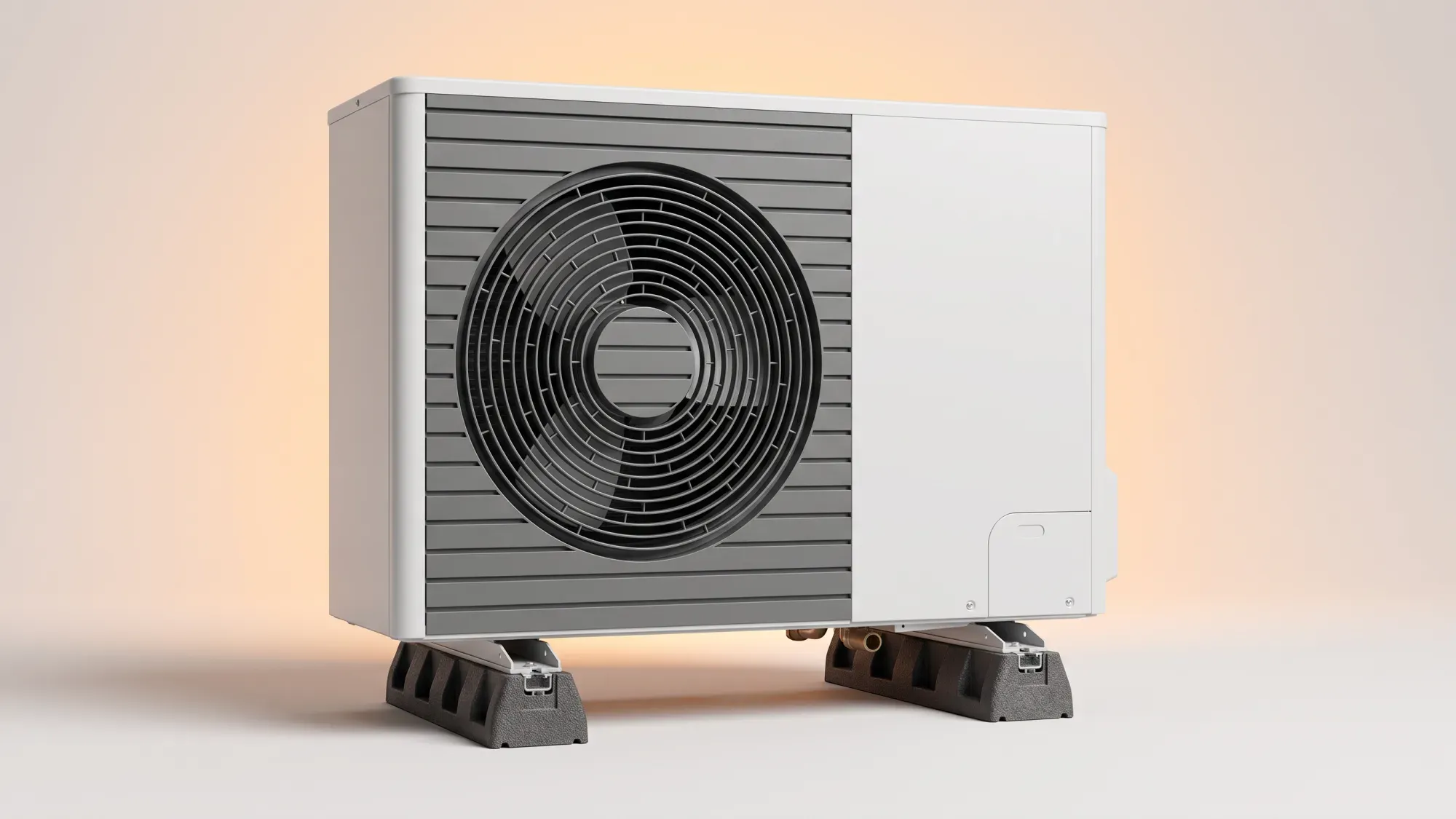
Getting your heat pump settings right for winter is essential for a warm home and manageable energy bills. Unlike traditional boilers, heat pumps operate most efficiently when maintaining a consistent, lower temperature rather than cycling on and off. Understanding how to set your thermostat and flow temperature correctly can transform your winter heating experience, ensuring comfort without excessive running costs.
Understanding your heat pump in winter
Heat pumps are a modern, efficient way to heat your home, but they work differently from gas boilers. Embracing these differences is the first step to optimising their performance.
How heat pumps work in cold weather
Heat pumps extract heat from the outside air, even when temperatures drop significantly. They then transfer this heat into your home, typically through your wet central heating system. This process is highly efficient, but it means they deliver heat at a lower, more consistent temperature than a gas boiler, which produces rapid, high-temperature heat.
The importance of consistent heating
The secret to an efficient heat pump lies in consistency. Instead of turning your heating on and off, which forces the system to work harder to reheat your home from cold, a heat pump performs best when it maintains a steady indoor temperature. This approach allows the system to operate at its optimal efficiency, known as its Coefficient of Performance (COP), by avoiding large temperature swings.
Optimal thermostat settings for winter
Finding the right thermostat setting is crucial for balancing comfort and efficiency.
Finding your ideal indoor temperature
For most UK homes, an indoor temperature between 19-21°C is considered ideal for comfort and efficiency during winter. Living areas generally feel comfortable at 19-21°C, while bedrooms might be slightly cooler at 17-19°C, and bathrooms warmer at 21-23°C when in use. These ranges allow your heat pump to run steadily and effectively.
Why lower and slower is more efficient
Heat pumps are designed to deliver a gentle, continuous warmth. Setting your thermostat too high, expecting instant heat like a traditional boiler, will reduce efficiency and increase running costs. By aiming for a consistent, slightly lower temperature, your heat pump can work less intensely, extracting heat more efficiently from the outside air and using less electricity.
Mastering flow temperature for efficiency
Beyond your thermostat, the flow temperature of your heat pump is a critical factor in its overall efficiency.
What is flow temperature and why does it matter?
Flow temperature is the temperature of the water your heat pump sends to your radiators or underfloor heating. It directly impacts your heat pump's efficiency, measured by its COP. Lower flow temperatures mean the heat pump does not have to work as hard to raise the water temperature, leading to a higher COP and lower electricity consumption.
What is Coefficient of Performance (COP)?
The Coefficient of Performance (COP) measures a heat pump's efficiency by comparing the amount of heat it produces to the amount of electricity it consumes. For example, a COP of 3.0 means the heat pump generates 3 units of heat for every 1 unit of electricity used, making it 300% efficient. A higher COP indicates better efficiency.
Adjusting flow temperature for UK homes
For well-insulated UK homes with appropriately sized emitters (radiators or underfloor heating), flow temperatures between 35-45°C generally lead to higher efficiency. Air source heat pumps can achieve efficiencies of 300% or more, producing around 3 kWh or more of heat for every 1 kWh of electricity used. While underfloor heating systems typically operate efficiently at 35-40°C, radiators might require 45-55°C, depending on their size and your home's insulation. Running your heat pump at 35°C can achieve a COP of 4.0 or more, whereas 55°C might drop it to 2.0, effectively halving its efficiency.
Debunking the "turn it off" myth
Many homeowners, accustomed to gas boilers, believe turning off their heating when they leave the house saves money. With a heat pump, this is often counterproductive.
The cost of cycling your heat pump
Turning your heat pump off for extended periods means your home cools down significantly. When you switch it back on, the heat pump has to work much harder and less efficiently to bring the temperature back up to your desired level. This "cycling" on and off can actually lead to higher energy consumption and increased running costs than maintaining a consistent, lower temperature.
Continuous running for stable warmth
The most efficient way to run a heat pump is to keep it on continuously, allowing it to maintain a stable background temperature. Instead of switching it off, consider a small "setback" of 2-3°C overnight or when you are out. This prevents your home from getting too cold and allows the heat pump to operate efficiently without the strain of rapid reheating.
Smart controls and advanced optimisation
Modern technology can significantly enhance your heat pump's performance and your control over it.
Leveraging smart thermostats and zoning
Smart thermostats and zoning systems allow you to fine-tune your heating. A smart thermostat can learn your habits and adjust settings automatically, while zoning lets you heat different areas of your home to different temperatures, ensuring comfort where and when you need it most. This prevents overheating unused rooms, saving energy.
Monitoring your energy use
Regularly monitoring your energy usage is crucial for optimising your settings. Many smart heat pump systems and energy apps provide detailed insights into your consumption, allowing you to see the impact of any adjustments you make. This data empowers you to make informed decisions and further refine your heat pump's performance for both comfort and cost.
Troubleshooting and winter maintenance tips
A little proactive care can prevent issues and ensure your heat pump runs smoothly all winter.
Common issues and quick fixes
If your heat pump is not performing as expected, check a few common culprits. Ensure your thermostat is set correctly and not battling against high flow temperatures. Verify that radiators are not blocked by furniture and that all valves are open. Sometimes, a simple adjustment can resolve a perceived issue.
Essential checks before winter arrives
Before the cold truly sets in, give your heat pump a quick check-up. Clear any debris from around the outdoor unit to ensure good airflow. Check your system's pressure and ensure your condensate drain is not blocked. For more complex issues, or if you are unsure, professional servicing is always recommended.
For the avoidance of doubt, this article is provided for informational purposes only and is not intended to constitute legal or financial advice. The author and/or Fuse Energy shall not be responsible for any losses arising out of any reliance on the information contained herein.