Scotland's energy landscape is unique, with regional variations in electricity unit rates and standing charges across Great Britain's 14 distribution regions. This means energy bills can differ significantly depending on where you live. For Scottish homeowners looking for more control over their energy costs and a more sustainable way to heat their homes, heat pumps offer a modern and efficient solution.
Understanding heat pumps in Scotland's energy landscape
Scotland's unique energy context and regional bill variations
Energy prices in Great Britain are influenced by a complex system, including the 14 electricity distribution regions regulated by Ofgem's price cap. This regional variation directly impacts the unit rates and standing charges homeowners pay, making energy costs a significant consideration for households across Scotland. Understanding these regional differences is crucial when evaluating long-term heating solutions.
How heat pumps offer a modern heating solution
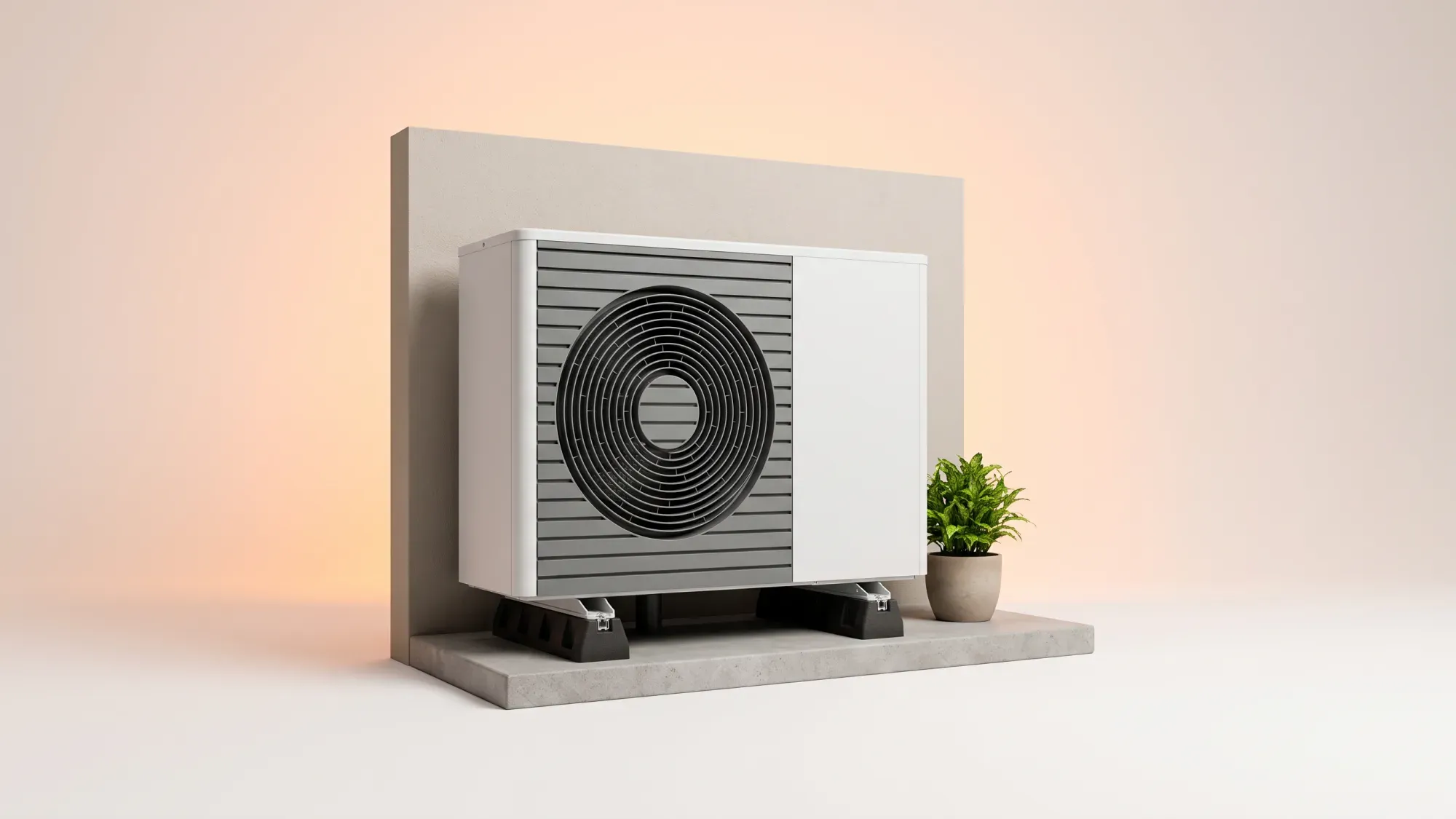
Heat pumps are an increasingly popular choice for home heating, drawing heat from the air, ground, or water and transferring it into your home. Unlike traditional boilers that burn fossil fuels, heat pumps use electricity to move heat, making them a more environmentally friendly option. This technology provides an efficient way to maintain comfortable indoor temperatures, even in colder climates, and can significantly reduce a home's carbon footprint.
Benefits of heat pumps for Scottish homes
Reducing carbon footprint and energy bills
Switching to a heat pump can dramatically lower your home's carbon emissions, contributing to Scotland's ambitious net-zero targets. Beyond the environmental benefits, heat pumps are highly efficient, meaning they can produce more heat energy than the electrical energy they consume. This efficiency translates into lower running costs compared to traditional fossil fuel systems, offering a welcome reduction in energy bills over time.
Consistent warmth and improved home comfort
Heat pumps deliver a steady, ambient warmth throughout your home, avoiding the 'on-off' cycles and sudden temperature changes often associated with boilers. This consistent heating creates a more comfortable living environment, eliminating cold spots and ensuring your home remains cosy, even during the coldest Scottish winters.
Long-term savings and energy independence
Investing in a heat pump is a strategic move towards greater energy independence. By reducing reliance on volatile fossil fuel markets, homeowners can benefit from more predictable heating costs. Coupled with government grants and the long lifespan of heat pump systems, this transition represents a strong choice for Scottish homeowners, offering substantial long-term savings and peace of mind. If you're wondering if are heat pumps worth it, consider the long-term financial and environmental benefits.
Scottish government grants and funding for heat pumps
Home Energy Scotland: loans and grants explained
For homeowners in Scotland, the primary route for financial support for heat pump installations is through Home Energy Scotland (HES), a Scottish Government scheme. This is distinct from the Boiler Upgrade Scheme (BUS), which applies only in England and Wales. HES offers a grant of up to £7,500 for heat pump installations, with an additional £7,500 available as an optional interest-free loan. For properties in rural or island areas, an additional £1,500 uplift is available, increasing the grant to £9,000. This means rural households could access a total package of up to £18,000 in combined grant and loan funding^[1,2].
How much funding can I get for a heat pump in Scotland?
HES offers a grant of up to £7,500 for heat pump installations, with an additional £1,500 available for rural homes, bringing the grant to £9,000. An optional interest-free loan of up to £7,500 (or £9,000 for rural properties) can also be accessed, providing a total funding package of up to £18,000 for eligible rural households.
Eligibility criteria for Scottish homeowners
To qualify for the HES Grant and Loan, you must own and live in the property, which must be located in Scotland and be your primary residence. The scheme is designed for new installations; replacement heat pumps are generally not eligible for the grant, though an interest-free loan of up to £7,500 may still be available for replacements. Your chosen installer and the heat pump product itself must be certified under the Microgeneration Certification Scheme (MCS) to ensure eligibility for the grant. While an Energy Performance Certificate (EPC) is not strictly required to apply for heat pump funding, a post-installation EPC is needed to claim funding, and any recommended loft or cavity wall insulation improvements must be addressed3.
Navigating the application process
The application process begins by contacting HES directly to confirm eligibility and receive guidance. It is vital that you do not start any installation work before receiving a written funding offer, as this could disqualify you from the scheme. Applications are typically processed within 10 working days, though delays can occur if information is missing.
Are heat pumps right for your Scottish property?
Performance in cold climates: debunking myths
A common misconception is that heat pumps struggle in colder climates. However, modern heat pumps are engineered to run efficiently well below freezing temperatures, making them perfectly suitable for colder northern and Scottish weather. Their effectiveness in cold conditions relies on correct sizing and being paired with good insulation, ensuring they can consistently provide warmth without excessive energy consumption. You can learn more about how an air source heat pump works in various conditions.
Suitability for different housing types (including older homes)
Heat pumps can be installed in a wide range of properties, including older Scottish homes. While properties with good insulation will naturally be more efficient, improvements can often be made to older buildings to enhance their suitability. The key is a thorough assessment by a qualified installer to determine the best type and size of heat pump for your specific property, considering its age, construction, and existing insulation levels.
The role of insulation and system sizing
Proper insulation is paramount for a heat pump's efficiency. A well-insulated home retains heat more effectively, reducing the workload on the heat pump and keeping running costs low. Similarly, correct system sizing is critical; an undersized heat pump will struggle to heat your home, while an oversized one will cycle inefficiently. A reputable installer will conduct a detailed heat loss calculation to ensure the system is perfectly matched to your home's needs.
Choosing your heat pump and installer in Scotland
Types of heat pumps: air source vs ground source
The two main types of heat pumps suitable for Scottish homes are air source and ground source. Air source heat pumps extract heat from the outside air, even when temperatures are low, and are generally easier and less disruptive to install. Ground source heat pumps draw heat from the ground via buried pipes, offering very stable performance but requiring more land and a more involved installation process. The best choice depends on your property, available space, and budget. For a detailed comparison, see our guide on air source vs ground source heat pump systems.
The importance of MCS-certified installers
Choosing an MCS-certified installer is not just a recommendation; it's a requirement to qualify for the HES grant. MCS certification ensures that your installer meets rigorous quality standards for renewable energy installations. This guarantees that your heat pump system is designed, installed, and commissioned correctly, optimising its performance and ensuring its longevity.
Getting quotes and comparing options
Once you've assessed your home's suitability, obtain multiple quotes from different MCS-certified installers. Compare not just the upfront cost, but also the proposed system's efficiency, warranty, and the installer's experience and customer service. A detailed quote should include the cost of the heat pump unit, installation, any necessary upgrades to your heating system (like radiators or hot water cylinder), and an estimate of running costs.
The heat pump installation process: what to expect
From initial assessment to commissioning
The journey to a heat-pump-heated home typically begins with an initial assessment by an MCS-certified installer. They will evaluate your property, insulation, and heating needs to recommend the most suitable system. Following this, a detailed quote will be provided. Once you accept and secure funding, the installation process involves fitting the outdoor or ground array unit, connecting it to your indoor heating system, and installing a new hot water cylinder if required. Finally, the system is commissioned, tested, and you'll receive a handover explaining its operation.
Minimising disruption during installation
Reputable installers will work to minimise disruption to your home during the installation. While some work, such as pipe fitting and electrical connections, is inevitable, a well-planned project can proceed smoothly. Discuss the timeline and potential impact with your installer beforehand to set clear expectations.
Maintaining your heat pump for optimal performance
Heat pumps are generally low-maintenance, but regular servicing ensures they operate at peak efficiency and prolongs their lifespan. This typically involves an annual check-up by a qualified technician. Keeping the outdoor unit clear of debris and ensuring your heating system is balanced will also contribute to optimal performance and continued energy savings.
Switching to a heat pump is a significant step towards a more sustainable and cost-effective home. Fuse Energy supports homeowners in making informed decisions about their energy use, offering clear pricing and real-time data to help you manage your bills effectively. Our 24/7 human customer support team is always on hand to assist you.
For the avoidance of doubt, this article is provided for informational purposes only and is not intended to constitute legal or financial advice. The author and/or Fuse Energy shall not be responsible for any losses arising out of any reliance on the information contained herein.