Heat pumps for Northumberland homes
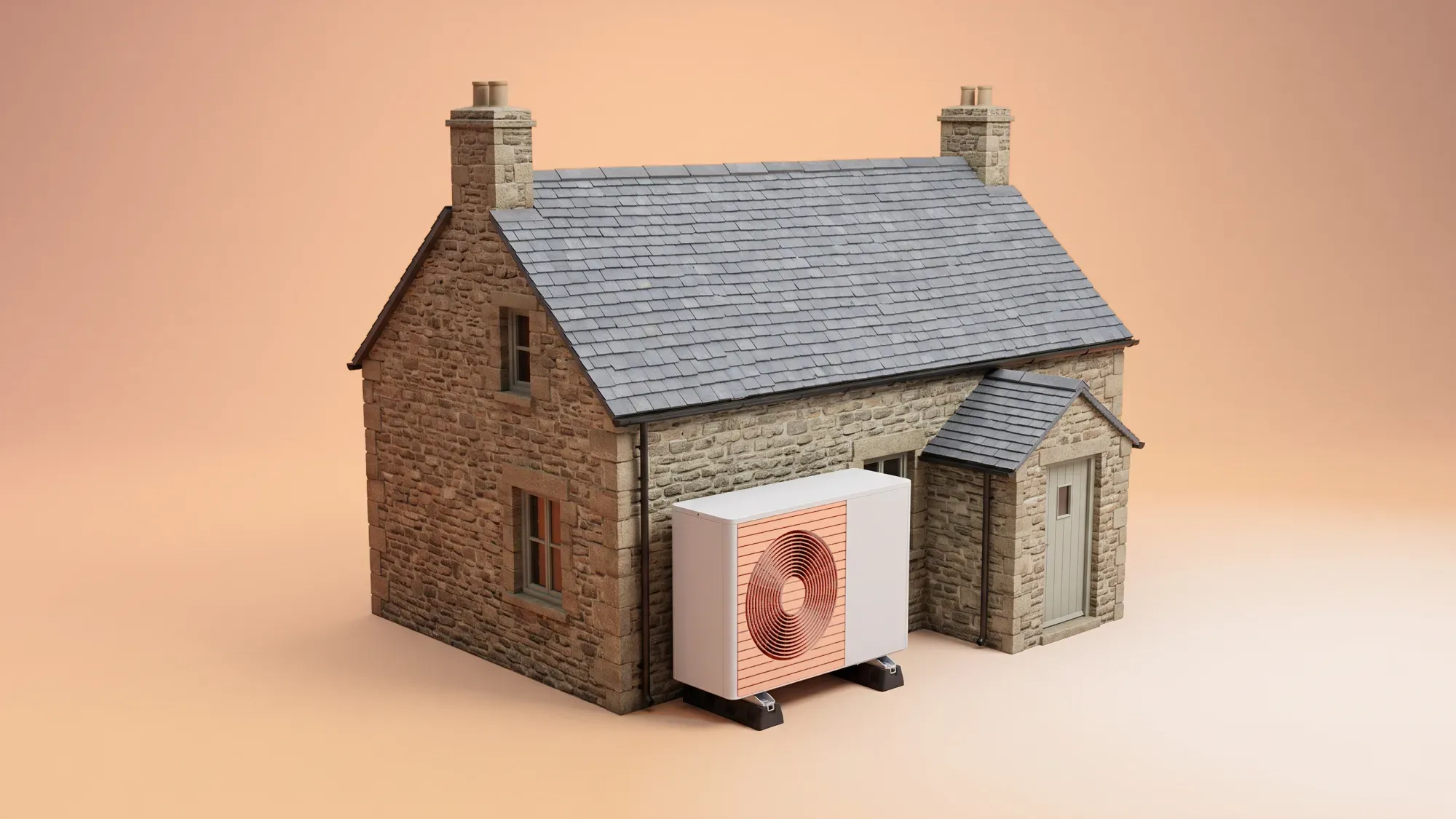
Northumberland, with its dramatic coastline, expansive national park, and a mix of historic stone-built properties and modern homes, presents unique opportunities and challenges for homeowners considering a heat pump. The county's bracing winters mean that efficient heating is not just a luxury but a necessity, making heat pumps an increasingly attractive option for those looking to reduce their carbon footprint and energy bills. Modern heat pumps are well-suited to Northumberland's climate, performing effectively even in sub-zero temperatures, provided they are correctly specified and installed.
Why consider a heat pump for your Northumberland home?
Heat pumps offer an efficient, low-carbon alternative to traditional fossil fuel heating systems, aligning with both environmental goals and the desire for warmer, more affordable homes.
Northumberland's unique heating needs
Northumberland's climate, while cooler than some parts of Europe, is actually well within the optimal operating range for modern heat pumps, which perform efficiently between -4°C and 18°C. Even in colder northern climates, heat pumps can extract heat from the air, ground, or water, making them a viable option for year-round comfort. The diverse housing stock, from remote, off-gas-grid farmhouses to town-centre semi-detached properties, means that a tailored approach to heating is crucial. Many rural properties in Northumberland are not connected to the mains gas supply, making heat pumps a particularly strong alternative to oil or LPG boilers.
Environmental and financial benefits
Switching to a heat pump can significantly reduce a home's carbon emissions, contributing to a cleaner environment. Beyond the environmental advantages, heat pumps are highly efficient, converting more energy into heat compared to gas-powered boilers. Air source heat pumps, for instance, can achieve efficiencies of 300% or more, meaning they produce around 3 kWh or more of heat for every 1 kWh of electricity used1. This efficiency often translates into lower running costs and long-term savings on energy bills, especially as the cost of gas continues to fluctuate. Heat pumps also offer the added benefit of providing both heating and cooling, ensuring comfortable indoor temperatures throughout the year.
Types of heat pumps for Northumberland properties
Choosing the right type of heat pump depends on your property's characteristics, available space, and budget.
Air source heat pumps explained
Air source heat pumps (ASHPs) extract heat from the outside air, even when temperatures are low. They are a popular choice for many Northumberland homes, including town-centre and rural detached properties. ASHPs are generally easier and less disruptive to install than ground source systems, as they only require an outdoor unit. Modern ASHPs are designed to operate efficiently down to -15°C, making them well-equipped for British winters. For a deeper dive into how they work, read our guide on air source heat pumps.
Ground source heat pumps explained
Ground source heat pumps (GSHPs) draw heat from the ground, where temperatures remain more stable throughout the year. This makes them particularly efficient in colder environments. GSHPs are an excellent fit for larger homes, farmhouses, and rural properties in Northumberland that have sufficient land for the installation of ground loops or boreholes. While the initial installation can be more complex and costly due to excavation requirements, they offer consistent efficiency and can be paired with solar PV for off-grid homes. To understand more about this technology, explore our article on ground source heat pumps.
Which type suits your home?
The best heat pump for your Northumberland home will depend on several factors:
- Property type and size: ASHPs are versatile, while GSHPs are often better suited for larger properties with ample outdoor space.
- Insulation levels: Regardless of type, a well-insulated home is crucial for a heat pump to operate efficiently and cost-effectively.
- Land availability: GSHPs require significant outdoor space for ground collectors.
- Budget: Initial installation costs can vary significantly between types. Indicative UK air source heat pump installation figures typically range from £7,000 to £15,000 before grants2.
Navigating heat pump installation in Northumberland
A successful heat pump installation in Northumberland requires careful planning and the right professionals.
The importance of MCS-certified installers
To qualify for government grants like the Boiler Upgrade Scheme, it is mandatory to use an installer certified under the Microgeneration Certification Scheme (MCS). MCS certification ensures that installers meet high standards for product quality and installation, giving homeowners peace of mind and access to financial support.
Local housing stock and suitability
Northumberland's housing stock includes a wide range of properties, from traditional stone buildings to newer developments. For heat pumps to perform optimally, especially in older or stone properties, assessing and upgrading insulation is often a critical first step. Installers should conduct detailed heat loss calculations and recommend necessary upgrades to ensure the system is correctly sized and efficient.
Understanding the installation process
The installation process typically involves a site survey, heat loss calculations, system design, and the physical installation of the heat pump unit(s), pipework, and controls. For ASHPs, this might include an outdoor unit and indoor components, while GSHPs involve groundworks for loops or boreholes. Your installer should guide you through each stage, ensuring your home is prepared for the new system.
Grants and funding for heat pumps in Northumberland
Financial support is available to help Northumberland homeowners transition to low-carbon heating.
The Boiler Upgrade Scheme (BUS)
The Boiler Upgrade Scheme (BUS), administered by Ofgem, provides a grant towards the installation of air source or ground source heat pumps in England and Wales. This scheme offers £7,500 towards the cost and installation of either an air source or ground source heat pump3. From 21 July 2026, households in England and Wales currently using heating oil or LPG can claim an uplifted £9,000 to move off the oil grid.
Eligibility and application process
To be eligible for the BUS, your property must be in England or Wales, and you must be a homeowner or private landlord replacing an existing fossil fuel heating system. The installation must be carried out by an MCS-certified installer. Additionally, your property generally needs a valid Energy Performance Certificate (EPC) with no outstanding recommendations for loft or cavity wall insulation, as heat pumps work most efficiently in well-insulated homes.
Heat pump running costs and local energy factors
Understanding how local energy pricing and infrastructure impact heat pump operation is key to managing running costs.
Northumberland's electricity price cap region
Northumberland falls within the 'North East England' electricity distribution region for Ofgem's price cap. This means that the unit rates and daily standing charges for electricity in Northumberland can differ from other regions in Great Britain. These regional variations are influenced by Distribution Use of System (DUoS) charges and line losses, which are set by Ofgem for each of the 14 Distribution Network Operator (DNO) areas.
The role of Northern Powergrid
Northern Powergrid is the local DNO for Northumberland. They are responsible for maintaining and upgrading the electricity distribution network that delivers power to homes and businesses across the region. If you experience a power cut in Northumberland, you would contact Northern Powergrid. Their role is crucial in ensuring a reliable electricity supply for heat pumps and other electrical appliances. You can find your network operator using the Energy Networks Association postcode tool.
What is a DNO?
A DNO is a company responsible for operating and maintaining the electricity distribution network in a specific geographical area. This network carries electricity from the high-voltage transmission grid to homes and businesses. Northern Powergrid is the DNO for Northumberland, managing the local infrastructure.
Maximising efficiency for lower bills
To get the most out of your heat pump and keep running costs down, consider these points:
- Insulation: Ensure your home is well-insulated to minimise heat loss, allowing your heat pump to work less intensely.
- Correct sizing: A properly sized heat pump, matched to your home's heat demand, will operate more efficiently.
- Smart controls: Utilise smart thermostats and controls to optimise your heating schedule and temperature settings.
- Maintenance: Regular servicing ensures your heat pump runs at peak efficiency.
Power your heat pump with Fuse Energy
Fuse Energy offers Vaillant aroTHERM plus heat pump installation, and we are committed to making the energy that powers them as affordable and clean as possible. Fuse is MCS and TrustMark certified, handling planning approvals, DNO applications, paperwork, installation, and final checks. Heat pumps are a significant investment, but their long-term value is realised through efficient operation and affordable energy supply. Fuse Energy's mission is to provide abundant, affordable energy, complementing your heat pump ownership by making heating your Northumberland home comfortably less of a financial concern. We aim to deliver the cheapest, cleanest energy possible, directly reducing the running costs and environmental impact of your heat pump.
Control and transparency with the Fuse app
The Fuse app provides customers with control and transparency over their energy usage. Heat pump owners in Northumberland can use the app to monitor and optimise their consumption, ensuring they are making the most of their efficient heating system. This level of insight helps you understand your energy patterns and make informed decisions to further reduce your bills and carbon footprint.
References
- Simple Green Energy. Air Source Heat Pump Efficiency in the UK (2026)
- Thermal Earth. How Much Does It Cost to Install an Air Source Heat Pump in the UK?
- UK Government. Boiler Upgrade Scheme
Disclaimer
For the avoidance of doubt, this article is provided for informational purposes only and is not intended to constitute legal or financial advice. The author and/or Fuse Energy shall not be responsible for any losses arising out of any reliance on the information contained herein.