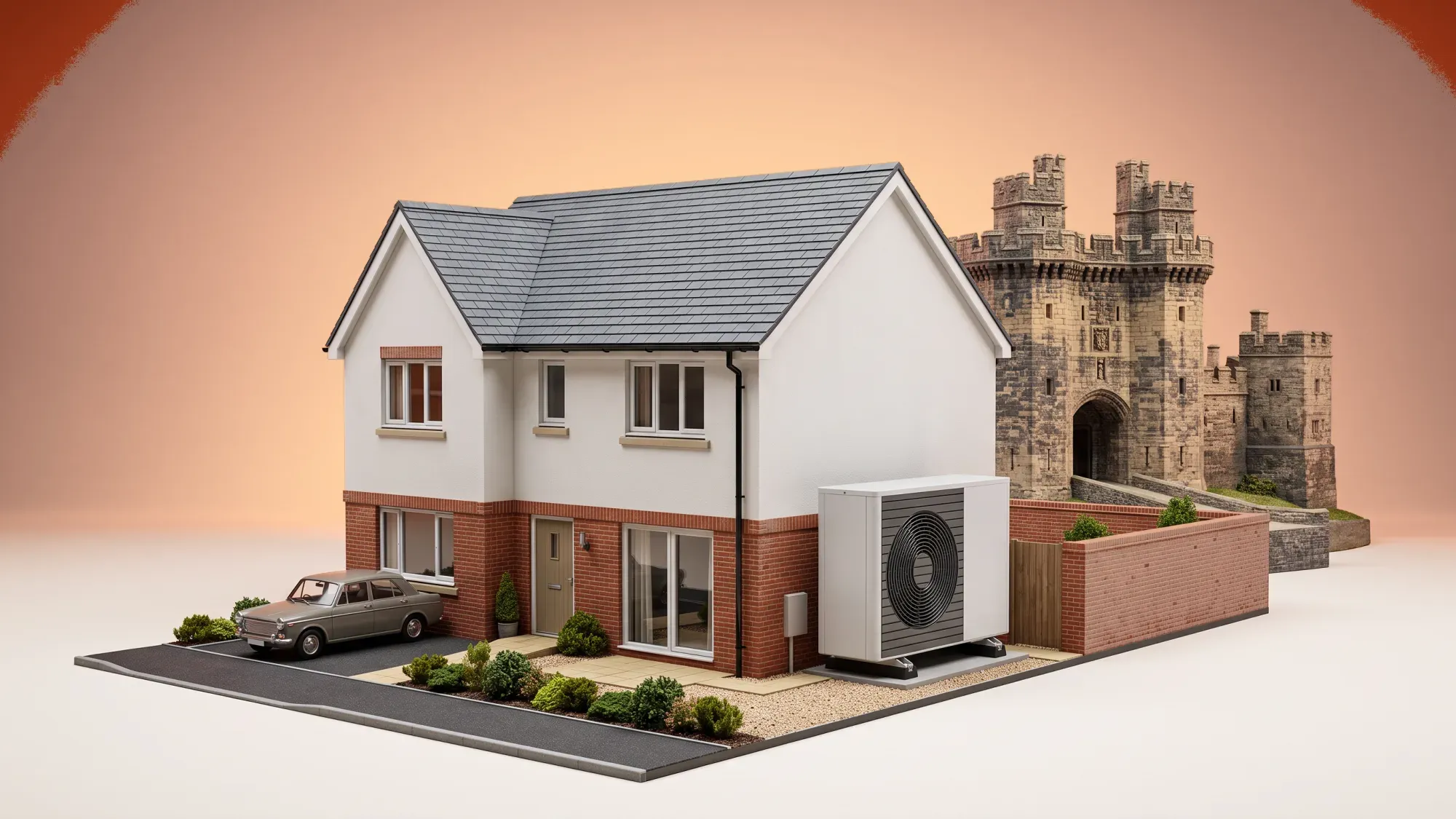
Heat pumps offer Lancashire homeowners a compelling route to more efficient, lower-carbon heating, moving away from traditional boilers. From the historic stone cottages of the Ribble Valley to the Victorian terraces of Preston and the coastal homes along Morecambe Bay, understanding how these systems integrate with the North West's unique climate and energy infrastructure is key to making an informed decision. This guide cuts through the noise, providing practical, localised advice for residents considering a heat pump upgrade.
Heat pumps for Lancashire homes: a local perspective
Lancashire's diverse housing stock and distinct North West climate mean that a one-size-fits-all approach to home heating simply doesn't work. Heat pumps, when correctly specified, are a robust solution, capable of performing efficiently across the county's varied properties and weather conditions.
Understanding Lancashire's unique energy landscape
Your energy bills are directly influenced by where you live. Lancashire falls within the 'North West England' electricity distribution region, which Ofgem uses to set regional price caps for unit rates and daily standing charges, updated quarterly. This means your energy costs can differ from those in other parts of the country.
Electricity North West is the local Distribution Network Operator (DNO) for all Lancashire residents, delivering electricity to 2.4 million homes and businesses across Greater Manchester, Lancashire, and Cumbria. They are responsible for maintaining the power lines and infrastructure that bring electricity to your home. If you experience a power cut, you would dial the free national number 105, which routes directly to Electricity North West to report the issue.
Why heat pumps suit North West England's climate
Concerns about heat pump performance in colder weather are common, especially in northern regions like Lancashire. However, modern heat pump units are designed to operate efficiently well below freezing temperatures, making them entirely suitable for colder northern weather when correctly specified and installed. This means that even during a typical Lancashire winter, your home can remain warm and comfortable without excessive running costs, provided your system is correctly sized and your home adequately insulated. You can learn more about whether air source heat pumps are worth it for your home.
The benefits of a heat pump in Lancashire
Switching to a heat pump is more than just an appliance upgrade; it's a strategic move towards energy independence and a more comfortable home.
Reducing your carbon footprint
Heat pumps extract heat from the air or ground, rather than burning fossil fuels, significantly reducing your home's carbon emissions. For Lancashire homeowners looking to lower their environmental impact, this represents a substantial step towards a greener future.
Long-term savings on energy bills
While the upfront cost of a heat pump can be higher than a traditional boiler, the long-term savings on energy bills are considerable. Heat pumps are highly energy-efficient, typically converting one unit of electricity into three or more units of heat. This efficiency, combined with government grants, makes them a financially smart choice over the lifespan of the system. Understanding the cost of an air source heat pump is key to planning your investment.
Consistent home comfort
Heat pumps deliver a consistent, gentle warmth throughout your home, avoiding the 'on-off' cycling often associated with traditional boilers. This creates a more stable and comfortable indoor environment, eliminating cold spots and maintaining an even temperature.
Heat pump costs and grants for Lancashire residents
Understanding the financial aspects of installing a heat pump is crucial. While there's an initial investment, government support can significantly reduce the burden.
Average installation costs in the region
The cost of installing a heat pump in Lancashire varies widely depending on factors such as the type of heat pump (air source or ground source), the size of your home, its current insulation levels, and the complexity of the installation. While specific regional averages are hard to pin down without a survey, it's important to obtain multiple quotes from local installers to get an accurate picture for your property.
The Boiler Upgrade Scheme (BUS) explained
The UK Government's Boiler Upgrade Scheme (BUS) offers a substantial grant to help homeowners in England and Wales make the switch to low-carbon heating1. The scheme provides a £7,500 grant towards the cost of installing an air source or ground source heat pump2. This grant significantly reduces the upfront cost, making heat pumps more accessible.
Who is eligible for the BUS?
The BUS is open to homeowners in England and Wales who are replacing a fossil fuel heating system (like a gas or oil boiler) with a new air source or ground source heat pump. Your property must have a valid Energy Performance Certificate (EPC). As of 2024, the requirement for no outstanding recommendations for loft or cavity wall insulation has been removed.
Crucially, to qualify for the BUS grant, your heat pump installer must be Microgeneration Certification Scheme (MCS) certified. Without this certification, you will not be able to claim the grant.
Factors influencing your heat pump investment
Beyond the initial installation cost, consider factors like your home's insulation, which directly impacts the heat pump's efficiency and running costs. A well-insulated home will require a smaller, more efficient heat pump, leading to lower energy consumption. The type of heat pump, its sizing relative to your property's heat demand, and the warranty offered by the manufacturer and installer also play a significant role in your overall investment.
Choosing a heat pump installer in Lancashire
Selecting the right installer is paramount for a successful heat pump installation and for accessing available grants.
The importance of MCS certification
MCS certification is a quality assurance scheme for renewable energy installers and products. For homeowners, it's not just a mark of quality; it's a mandatory requirement to qualify for government grants like the BUS. An MCS-certified installer ensures that your system meets industry standards and is installed correctly.
Finding reputable local installers
When looking for a heat pump installer in Lancashire, prioritise those with MCS certification. You can often find lists of certified installers through the MCS website or by asking for recommendations from local energy efficiency groups. Always check reviews and testimonials to ensure a good track record.
Questions to ask potential providers
Before committing to an installer, ask detailed questions:
Are you MCS certified?
Can you provide references from previous heat pump installations in Lancashire?
How will you assess my home's heat loss and size the system?
What warranties do you offer on the equipment and installation?
Will you handle the BUS application on my behalf?
Navigating Lancashire's energy infrastructure
Understanding how your heat pump interacts with the local energy network can help you optimise its performance and manage costs.
Electricity North West: your local DNO
As mentioned, Electricity North West is your local DNO. While they don't supply your energy, they manage the infrastructure that delivers it. Any significant electrical work related to your heat pump installation might require coordination with them, though your installer will typically handle this. In the event of a power cut, remember to call 105.
Ofgem's North West England price cap
Ofgem's energy price cap sets the maximum unit rates and standing charges suppliers can charge for electricity and gas in your region. For Lancashire, this is the North West England region. Staying aware of these quarterly updates can help you understand potential running costs and compare tariffs effectively.
Optimising your heat pump with local grid insights
For the avoidance of doubt, this article is provided for informational purposes only and is not intended to constitute legal or financial advice. The author and/or Fuse Energy shall not be responsible for any losses arising out of any reliance on the information contained herein.