Heat pump efficiency explained
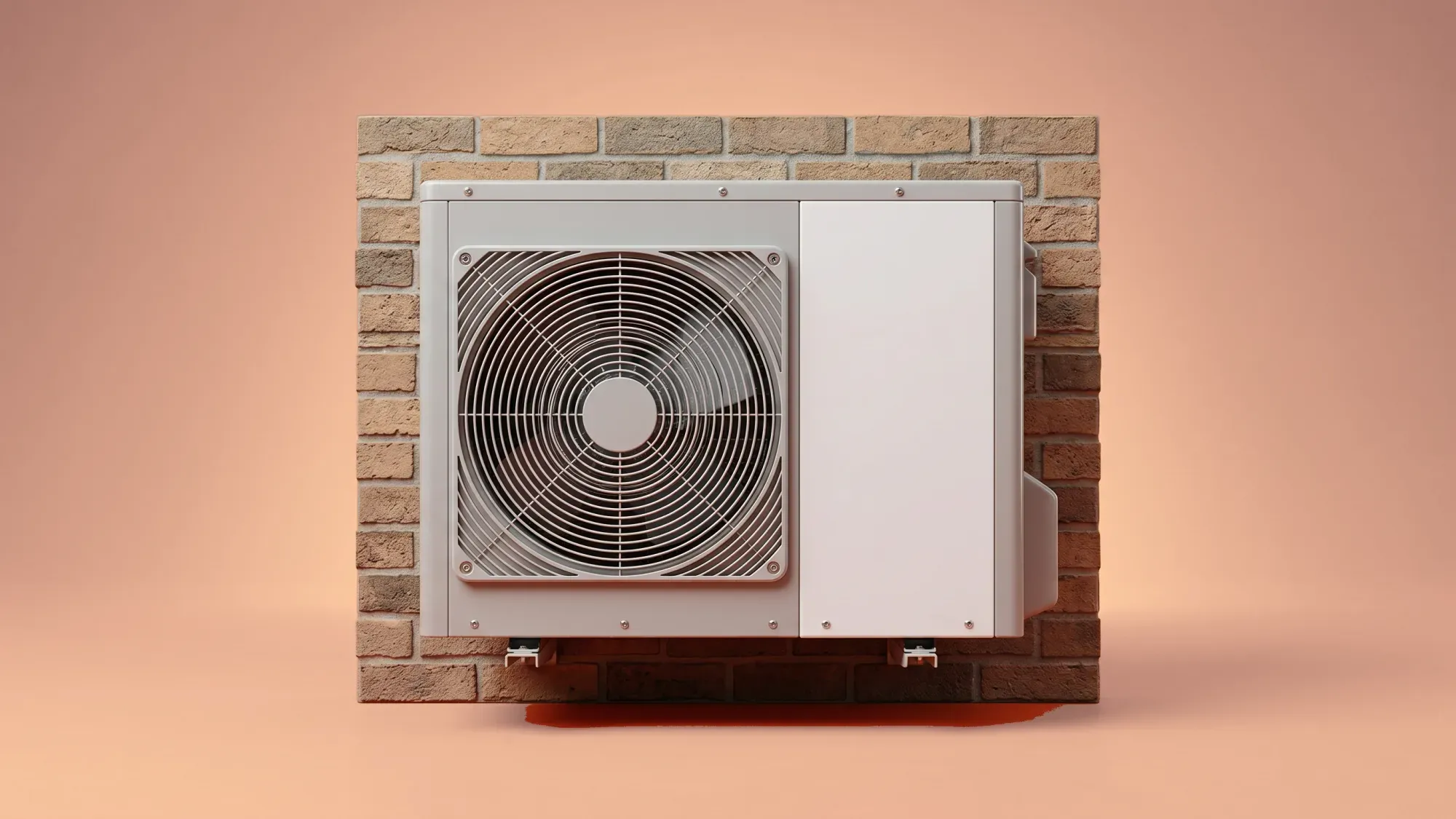
Heat pumps transfer heat rather than generating it, making them inherently highly efficient. For UK homeowners, understanding and optimising this efficiency is key to managing running costs and reducing environmental impact.
Understanding heat pump efficiency metrics
To truly get the most from your heat pump, it is crucial to grasp how its performance is measured. The two primary metrics are Coefficient of Performance (COP) and Seasonal Coefficient of Performance (SCOP).
Coefficient of performance (COP)
The Coefficient of Performance (COP) is a snapshot of a heat pump's efficiency at a specific moment under particular conditions. It measures the ratio of the heat energy produced to the electrical energy consumed. For example, a heat pump with a COP of 3.0 delivers three units of heat for every unit of electricity it uses. Heat pumps can be 300% or more efficient, meaning they produce 3 units or more of heat for every unit of electricity consumed. This is significantly more efficient than direct electric heaters or modern A-rated gas boilers.
Seasonal Coefficient of performance (SCOP)
While COP provides an instantaneous measure, the Seasonal Coefficient of Performance (SCOP) offers a more comprehensive view of a heat pump's efficiency over an entire heating season. SCOP accounts for variations in outdoor temperatures and operating conditions throughout the year, providing a more realistic picture of real-world performance. It is also sometimes referred to as Seasonal Performance Factor (SPF).
Why SCOP matters for UK homes
For UK homes, SCOP is a more accurate measure of real-world efficiency than COP because it accounts for seasonal variations. The efficiency of an air source heat pump, for instance, naturally fluctuates with external temperatures; it works harder and may be less efficient in colder weather. SCOP provides an average efficiency across these changing conditions, giving homeowners a better understanding of their system's true annual performance and potential running costs. Modern systems can achieve high percentages of efficiency.
Key factors influencing heat pump performance
Several factors significantly influence a heat pump's real-world efficiency, particularly in the UK's varied climate.
Outdoor temperature and climate
Heat pumps extract heat from the outside air or ground, even in cold conditions. While their efficiency can decrease as temperatures drop, modern air source heat pumps are designed to operate effectively down to around -15°C to -20°C, with some models functioning at even lower temperatures. Ground source heat pumps are less affected by ambient air temperature fluctuations as ground temperatures remain more consistent year-round. In the UK, where winters are generally mild, heat pumps typically maintain good efficiency.
Home insulation and heat loss
The thermal envelope of your home plays a critical role in heat pump efficiency. Heat pumps provide a steady, lower level of heat compared to the quick bursts from traditional boilers, so good insulation is crucial to retain this warmth. Proper home insulation can significantly reduce heat loss, directly improving heat pump efficiency and reducing energy demand. While heat pumps can still save energy even in poorly insulated homes compared to gas boilers, the greatest benefits come from combining a heat pump with a well-insulated property. Upgrading loft insulation, cavity wall insulation, and draught-proofing can lead to substantial savings and improved comfort.
System design and installation quality
The design and installation of your heat pump system are paramount. A correctly sized and installed system will operate more efficiently. Oversizing, for instance, can lead to excessive energy consumption and poor performance. Key design elements include appropriate heat emitters (like underfloor heating or larger radiators) and pipework that supports high flow rates.
Heat emitter type and sizing
Heat pumps perform best when delivering heat at lower flow temperatures (typically 35°C to 45°C). This is best achieved with heat emitters that have a large surface area, such as underfloor heating systems or larger radiators, which can distribute heat effectively at these lower temperatures. If your existing radiators are too small, they may need upgrading to ensure your home remains comfortable at lower flow temperatures, allowing the heat pump to operate optimally.
User behaviour and control settings
How you operate your heat pump also impacts its efficiency. Unlike traditional boilers, heat pumps work best when running consistently at a steady, lower temperature rather than being switched on and off frequently. Adjusting settings like the heating curve and utilising weather compensation features can further optimise performance.
Practical steps to optimise your heat pump
Taking proactive steps can significantly boost your heat pump's efficiency, leading to tangible savings and a more comfortable home.
Improve your home's thermal envelope
Investing in your home's insulation is one of the most effective ways to improve heat pump efficiency. Focus on areas where heat loss is highest:
- Loft insulation: Aim for at least 270mm of mineral wool insulation.
- Wall insulation: Cavity wall insulation is effective for homes built after 1935, while solid walls may benefit from internal or external insulation.
- Draught-proofing: Seal gaps around windows, doors, and floorboards to prevent warm air from escaping.
- Window upgrades: Double or triple glazing can drastically reduce heat loss compared to single glazing.
Is insulation essential before installing a heat pump?
While not strictly essential, improving your home's insulation significantly enhances heat pump efficiency and reduces running costs. Heat pumps work best in well-insulated homes, as they operate at lower, more consistent temperatures, which can be maintained more easily when heat loss is minimised.
Set optimal flow temperatures
Heat pumps are most efficient when operating at lower flow temperatures, typically between 35°C and 45°C. Lowering the flow temperature reduces the energy required to heat the water, improving the heat pump's COP. Your installer should help set the optimal heating curve, but you may be able to fine-tune it to find the lowest comfortable temperature for your home.
Utilise smart controls and zoning
Modern heat pumps often come with advanced controls that allow for zoned heating and scheduling. Using these features can help you heat only the areas you need, when you need them, further optimising energy use. Modulating thermostats, which adjust flow temperature gradually rather than switching the system on and off, can also enhance efficiency.
Schedule regular maintenance
Like any heating system, a heat pump benefits from regular maintenance. An annual service by a qualified engineer ensures the system runs safely and efficiently, helping to prevent gradual reductions in performance over time. This can include checking refrigerant levels, cleaning coils, and inspecting components.
Consider a smart energy tariff
Pairing your heat pump with a smart energy tariff can unlock further savings. These tariffs often offer cheaper electricity during off-peak hours, allowing you to run your heat pump when energy is less expensive and often cleaner. This is particularly beneficial if you have a hot water cylinder, as you can heat your water during off-peak times.
Monitoring and managing your heat pump's efficiency
Active management of your heat pump's performance is crucial for sustained efficiency and cost savings.
Tracking energy consumption
Monitoring your heat pump's energy consumption is the first step to understanding its performance. This can be done through smart meters, which provide real-time data on your electricity usage. Keeping a record of your kWh consumption over time allows you to identify trends and the impact of any adjustments you make.
Interpreting performance data
Once you have consumption data, you can start to interpret it. Look for changes in efficiency related to external temperature, changes in your home's settings, or seasonal variations. Understanding these patterns helps you make informed decisions about optimising your system.
Making informed adjustments
Based on your data, you can make informed adjustments to your heat pump's settings. This might involve fine-tuning flow temperatures, adjusting heating schedules, or even identifying areas where further insulation could be beneficial. The goal is to find the sweet spot where your home is comfortable, and your heat pump is operating at its most efficient.
The role of smart meters and apps
Smart meters are invaluable tools for managing heat pump efficiency, providing granular data on energy use. The Fuse app provides real-time visibility into your energy usage, allowing you to monitor your heat pump's performance and see the direct impact of efficiency improvements. This transparent control empowers you to make active choices about your energy consumption, aligning with Fuse's mission to provide the cheapest, cleanest energy possible. By integrating smart energy management for heat pumps, Fuse is part of rebuilding a more efficient, responsive energy system that benefits consumers.
The long-term benefits of an efficient heat pump
Optimising your heat pump's efficiency offers a range of significant long-term advantages for your home and the environment.
Reduced running costs
An efficient heat pump translates directly into lower energy bills. While electricity is currently more expensive per unit than gas, the high efficiency of heat pumps (often 3 times or more that of a gas boiler) can lead to comparable or even lower running costs, especially in well-insulated homes and when paired with smart tariffs. The average UK home uses around 2,700 kWh of electricity per year1. By maximising your heat pump's efficiency, you can significantly reduce the amount of electricity it needs to meet your heating demands.
Lower carbon footprint
Heat pumps produce significantly lower carbon emissions than traditional fossil fuel heating systems because they transfer heat rather than burning fuel. When powered by renewable electricity, they can operate with near-zero emissions, contributing to a substantial reduction in your home's carbon footprint and supporting the UK's net-zero targets.
Increased home comfort and value
An efficiently running heat pump provides consistent, comfortable heating throughout your home. Unlike the fluctuating temperatures often associated with gas boilers, heat pumps deliver a steady warmth, creating a more pleasant living environment. Furthermore, installing a modern, efficient heat pump can increase your home's Energy Performance Certificate (EPC) rating, potentially adding to its market value. Government grants, such as the Boiler Upgrade Scheme, are available in England and Wales to help with the upfront costs of installation, making the switch more accessible.
Managing your home's energy, especially with a heat pump, should be simple and transparent. Fuse Energy offers clear pricing, real-time usage data through our app, and 24/7 human customer support to help you make the most of your energy. We're building a future where energy is abundant and affordable.
References
Disclaimer
For the avoidance of doubt, this article is provided for informational purposes only and is not intended to constitute legal or financial advice. The author and/or Fuse Energy shall not be responsible for any losses arising out of any reliance on the information contained herein.