Heat pumps for East Sussex homes
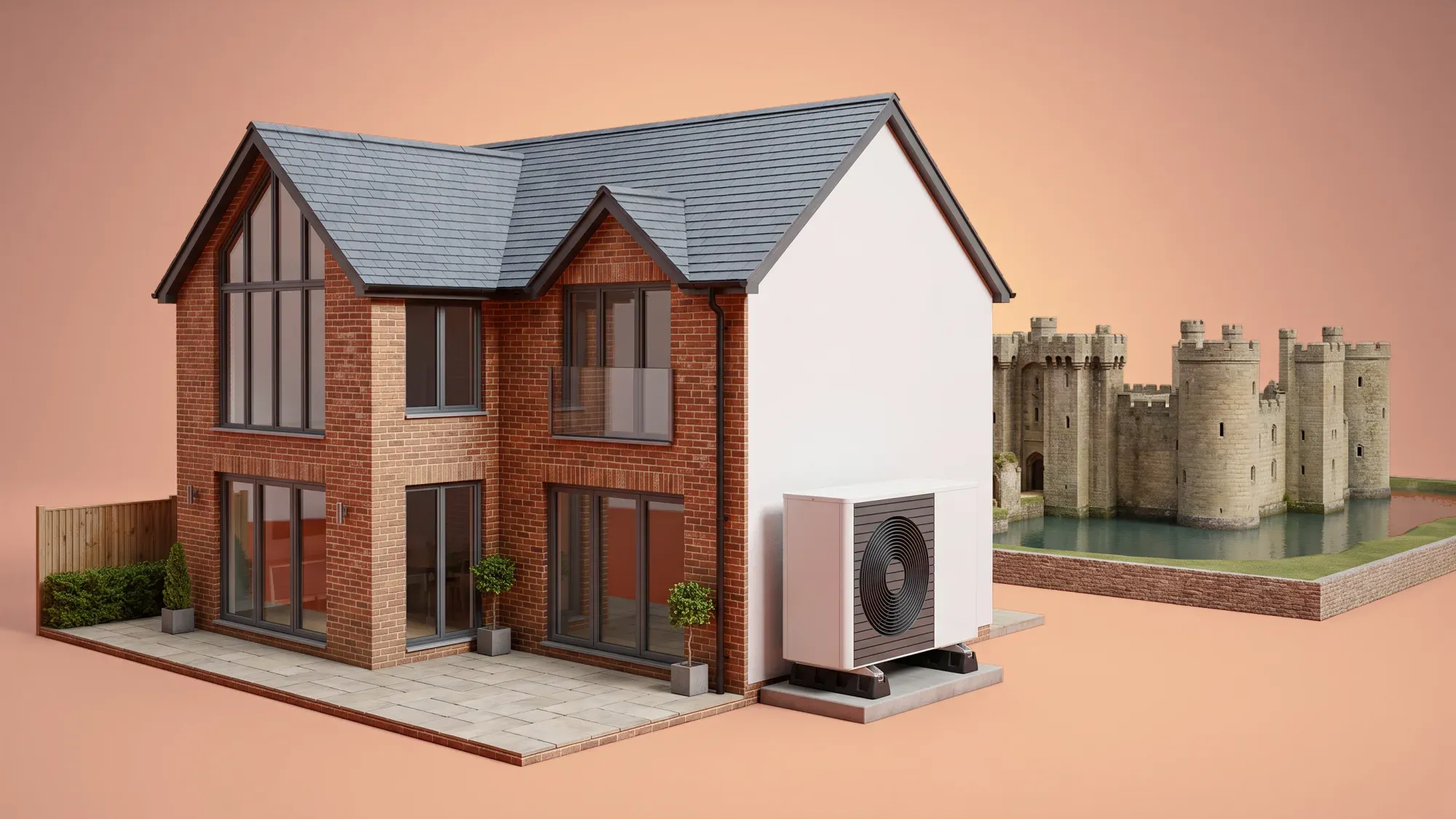
East Sussex, with its diverse landscape from the historic charm of Lewes to the coastal stretches of Brighton and Hastings, and the rolling South Downs, features a varied housing stock. Many properties, particularly in rural areas, might be off the gas grid, making heat pumps an especially attractive and efficient heating solution. Energy unit rates and standing charges are set with regional specifics in mind, and East Sussex falls within the South East England electricity distribution region. Your local electricity distribution network operator (DNO) is UK Power Networks, who manage the grid and are your first point of contact in a power cut by dialling 105. For those considering a heat pump, the Boiler Upgrade Scheme (BUS) offers a substantial £7,500 grant in England and Wales1, making the transition more accessible. For East Sussex homeowners looking to embrace modern, efficient heating, Fuse Energy offers a seamless energy experience that complements a heat pump system, giving you the 'power to play with' - the control and confidence to heat your home efficiently, without constantly worrying about the bill.
Why consider a heat pump for your East Sussex home?
Heat pumps offer a modern, efficient way to heat your home, moving away from traditional fossil fuel boilers. They extract heat from the air or ground, even on cold days, and transfer it into your home's heating system. This process is significantly more efficient than burning fuel.
Benefits for local properties
For East Sussex properties, particularly those in rural areas not connected to the gas grid, heat pumps can drastically reduce heating costs and reliance on more expensive fuels like oil or LPG. Even in urban settings, they provide a low-carbon alternative to gas boilers. Modern heat pump units are designed to maintain high efficiency (Seasonal Coefficient of Performance, or SCOP) across a typical UK winter, ensuring your home stays warm even when temperatures drop.
Environmental impact and efficiency
Heat pumps are a cornerstone of low-carbon heating. By moving heat rather than generating it through combustion, they produce significantly fewer greenhouse gas emissions than conventional boilers. This makes them an environmentally responsible choice for homeowners looking to reduce their carbon footprint. Their high efficiency means less energy is consumed to achieve the same level of warmth, leading to lower running costs over time. Understanding the pros and cons of air source heat pumps can help you decide if this technology is right for your home.
Understanding heat pump costs and grants in East Sussex
The upfront cost of installing a heat pump can be a significant consideration, but government grants and long-term savings can make it a financially sound decision for many East Sussex homeowners.
The Boiler Upgrade Scheme (BUS) explained
The BUS is a government initiative designed to encourage homeowners in England and Wales to switch to low-carbon heating systems. It offers a grant of £7,500 towards the cost of installing an air source or ground source heat pump. To qualify for this grant, your installer must be certified by the Microgeneration Certification Scheme (MCS), ensuring the installation meets high quality standards.
What is the BUS?
The BUS is a UK government grant providing £7,500 towards the installation of air source or ground source heat pumps in eligible homes in England and Wales. It aims to incentivise the adoption of low-carbon heating technologies, reducing reliance on fossil fuels. Your installer must be MCS-certified for you to qualify.
Local energy costs and your DNO
East Sussex falls within the South East England electricity distribution region for Ofgem's price cap2, meaning the unit rates and daily standing charges for electricity are set with regional specifics in mind. The local Distribution Network Operator (DNO) for East Sussex is UK Power Networks. They are responsible for maintaining the electricity grid in the region and are the contact point for power cuts by dialling 105. Understanding these local factors is crucial for estimating the running costs of a heat pump, as electricity is its primary fuel.
Estimating installation costs
While the BUS significantly reduces the upfront cost, the total installation cost for a heat pump in East Sussex will vary. Factors include the size and type of heat pump, the complexity of the installation, and any necessary upgrades to your home's insulation or radiators. Heat pumps should be sized appropriately for the property and paired with sensible insulation to achieve high efficiency. Getting multiple quotes from MCS-certified installers is the best way to get an accurate estimate for your specific home. You can also explore the cost of air source heat pumps to get a general idea.
Finding a qualified heat pump installer in East Sussex
Choosing the right installer is paramount for a successful heat pump installation, ensuring both efficiency and eligibility for grants.
The importance of MCS certification
MCS certification is a quality assurance scheme for renewable energy installers. For homeowners in East Sussex, selecting an MCS-certified installer is not just about quality; it's a requirement to access government grants like the BUS. An MCS-certified installer ensures that your heat pump system is designed and installed to recognised industry standards, giving you peace of mind and protecting your investment.
Questions to ask potential installers
When obtaining quotes, ask potential installers about their MCS certification, their experience with similar properties in East Sussex, and what aftercare and maintenance services they offer. Inquire about their process for sizing the heat pump to your home and their recommendations for insulation improvements. A reputable installer will be transparent about costs, timelines, and the expected performance of your new system.
Types of heat pumps for East Sussex properties
The primary types of heat pumps suitable for East Sussex homes are air source and ground source. Each has distinct advantages and considerations.
Air source heat pumps
Air source heat pumps extract heat from the outside air, even when temperatures are below freezing. They are generally easier and less disruptive to install than ground source systems, making them a popular choice for many homes. They require an outdoor unit, similar to an air conditioning unit, and are suitable for a wide range of property types. For a deeper dive, you can read our guide on air source heat pumps.
Ground source heat pumps
Ground source heat pumps draw heat from the ground using a network of buried pipes. While the installation is more complex and requires sufficient outdoor space for the ground loops, they can be highly efficient and offer stable performance year-round. They are often considered for new builds or properties with larger gardens.
Is your East Sussex home suitable for a heat pump?
Not every home is an ideal candidate for a heat pump without some modifications. Assessing your property's suitability is a critical first step.
Assessing insulation and property type
Heat pumps perform best in well-insulated homes. Before installing a heat pump, it's often advisable to improve your home's insulation, including loft, wall, and floor insulation, to minimise heat loss. This ensures the heat pump can operate efficiently and keep your home warm without excessive energy consumption. While heat pumps can be installed in older properties, their efficiency will be maximised in homes with good thermal performance.
Off-gas grid homes in East Sussex
For the many homes in East Sussex that are off the main gas grid, heat pumps present a particularly compelling solution. These properties often rely on more expensive and less environmentally friendly heating oil, LPG, or electric storage heaters. Switching to a heat pump can offer significant cost savings and a more stable, predictable heating bill, alongside the environmental benefits.
Future-proofing your East Sussex home with a heat pump
Investing in a heat pump is not just about current heating needs; it's about preparing your home for a more sustainable and energy-efficient future.
Integrating with smart home energy
A heat pump fits perfectly into a modern energy ecosystem. Paired with smart controls, you can optimise its operation to take advantage of off-peak electricity tariffs, further reducing running costs. Fuse Energy's all-in-one app, for example, allows you to monitor and manage your energy usage, giving you transparency and control over your heat pump's performance and overall home energy consumption. This empowers you to make smart 'power plays' with your energy.
The long-term savings and comfort
While the initial investment in a heat pump can be substantial, the long-term benefits are clear. Reduced running costs, especially when replacing fossil fuel systems, contribute to significant savings over the system's lifespan. Beyond the financial aspect, a heat pump provides consistent, comfortable heating, future-proofing your East Sussex home against rising fossil fuel prices and contributing to a greener planet.
References
- UK Government. Apply for the Boiler Upgrade Scheme: What you can get
- Ofgem. Energy price cap
Disclaimer
For the avoidance of doubt, this article is provided for informational purposes only and is not intended to constitute legal or financial advice. The author and/or Fuse Energy shall not be responsible for any losses arising out of any reliance on the information contained herein.