Green initiatives for your home
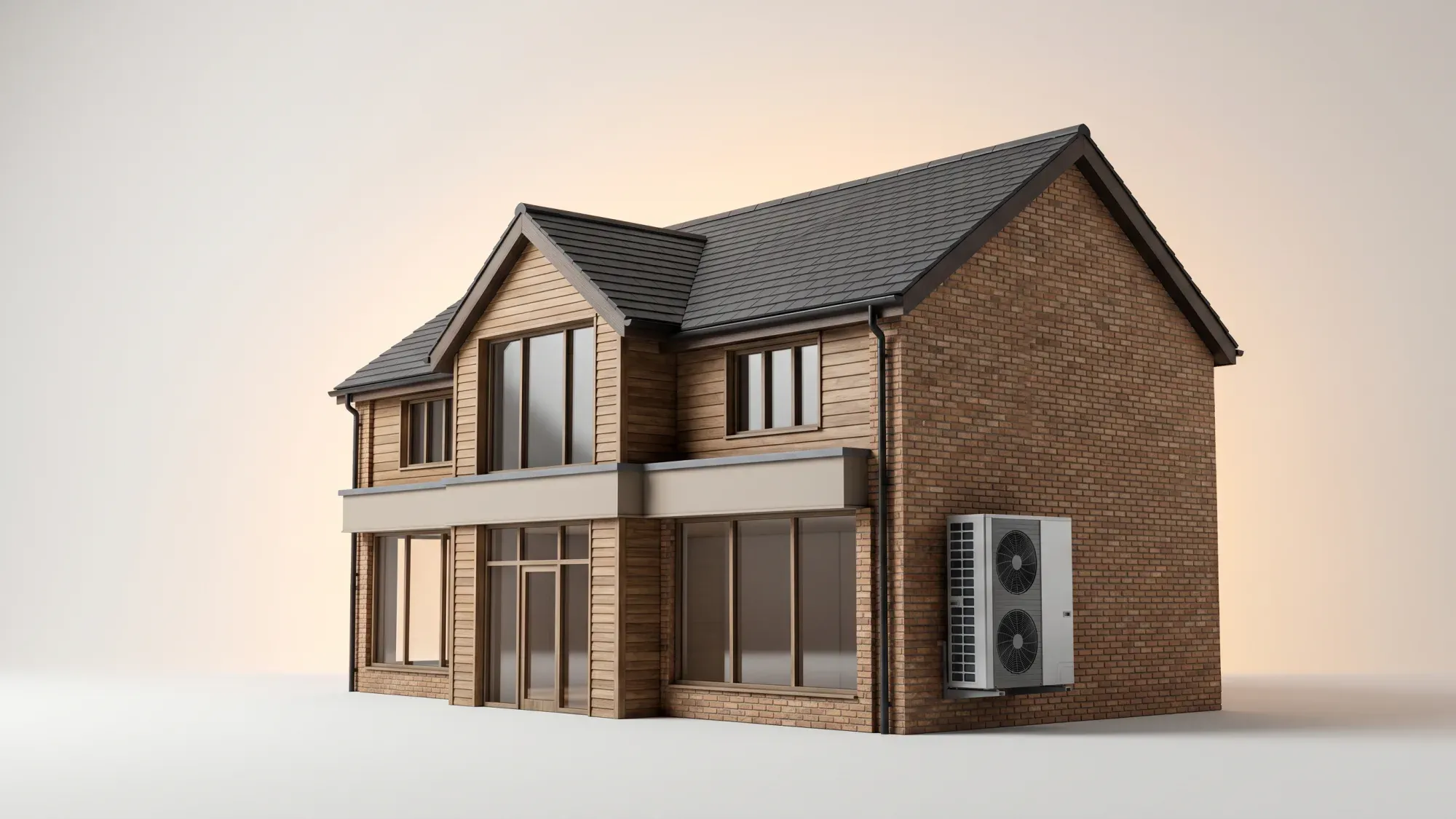
Green initiatives for your home offer practical ways to reduce your environmental impact, leading to lower energy bills and a more comfortable living space. These efforts empower you to embrace a sustainable future, often by adopting smart energy technologies without sacrificing comfort or convenience. It's about making choices that benefit both your household and the planet.
Fuse Energy helps households integrate smart energy solutions like solar panels, home batteries, and smart meters, giving you the 'power to play with' your energy consumption and contribute to a greener grid. You can explore switching to Fuse Energy today by clicking here.
Enter your address to get a quote and see how much you could save
What are green initiatives for households?
Green initiatives are actions and policies designed to reduce human environmental impact and promote ecological sustainability. For households, this means making choices that minimise waste, conserve resources, and reduce carbon emissions.
Defining environmental sustainability at home
Environmental sustainability, at its core, means meeting the needs of the present without compromising the ability of future generations to meet their own needs. At home, this translates into making conscious choices about energy consumption, waste management, and resource use. It’s about creating a living environment that supports your lifestyle while treading lightly on the planet. This can involve everything from how you heat your home to the appliances you choose and how you manage your household waste.
The shift from 'use less' to 'optimise and generate more'
For too long, the narrative around green living has focused on scarcity and sacrifice - the idea that to be sustainable, you must constantly "use less". However, a more empowering approach is emerging: optimising energy use and generating more clean power. This shift is driven by advancements in smart energy technologies, allowing households to manage their energy consumption intelligently, reduce waste, and even produce their own renewable energy. It transforms sustainability from a burden into an opportunity for greater control and capability over your home's energy.
Benefits of adopting green initiatives
Adopting green initiatives at home offers a range of tangible benefits, from financial savings to enhanced comfort and a positive environmental impact. These advantages make sustainable living an attractive and rewarding choice for UK households.
Lower energy bills and long-term savings
One of the most immediate and compelling benefits of green initiatives is the potential for significantly lower energy bills. By improving insulation, upgrading to energy-efficient appliances, or installing renewable energy systems like solar panels, you can reduce your reliance on grid electricity and gas. This leads to direct savings on your monthly outgoings. Over the long term, these initial investments often pay for themselves, providing sustained financial benefits and increasing your property's value.
Increased home comfort and energy independence
Green home improvements often lead to a more comfortable living environment. Better insulation means fewer draughts and more consistent indoor temperatures, reducing the need for constant heating or cooling. Installing smart thermostats and energy management systems gives you greater control over your home's climate. Furthermore, generating your own electricity with solar panels can increase your energy independence, making you less vulnerable to fluctuating energy prices and potential grid disruptions.
Reducing your carbon footprint and supporting a greener grid
Every household has a carbon footprint, largely determined by its energy consumption. By adopting green initiatives, you directly contribute to reducing greenhouse gas emissions. Using renewable energy sources and improving energy efficiency means less demand for fossil fuels. This not only helps combat climate change but also supports the transition to a greener, more sustainable National Grid. Your individual actions collectively make a significant difference.
Key green initiatives for your home
There are many practical green initiatives households can adopt, ranging from high-tech solutions to simple everyday changes.
Smart energy technologies: solar, batteries and smart meters
Smart energy technologies are at the forefront of empowering households to manage their energy more effectively. Solar panels, for instance, convert sunlight into electricity, significantly reducing your electricity bills and carbon footprint by generating clean, renewable energy. Choose an MCS and TrustMark certified installer. They should handle planning approvals, DNO applications, paperwork, installation and final checks. Home batteries store excess solar power or cheap off-peak electricity, allowing you to use it when needed, further increasing self-sufficiency. Smart meters provide real-time energy consumption data, enabling households to make informed decisions about their energy use and identify areas for improvement.
Improving home insulation and energy efficiency
Effective insulation is fundamental to an energy-efficient home. Upgrading loft, wall, and floor insulation prevents heat loss, keeping your home warmer in winter and cooler in summer. This reduces the energy needed for heating and cooling, leading to lower bills. Replacing old, inefficient windows and doors with double or triple glazing also makes a substantial difference. Beyond insulation, choosing energy-efficient appliances (look for high energy ratings) and LED lighting can further cut down your electricity consumption.
Sustainable heating solutions: heat pumps and efficient boilers
Moving away from traditional gas boilers towards more sustainable heating options is a key green initiative. Air source and ground source heat pumps extract heat from the air or ground to warm your home and water, offering a highly efficient, low-carbon alternative. Choose an MCS and TrustMark certified installer. They should handle planning approvals, DNO applications, paperwork, installation and final checks. For those not yet ready for a heat pump, upgrading to a modern, highly efficient condensing boiler can still offer significant improvements over older models. The UK government offers grants to support the installation of low carbon heating systems, making these upgrades more accessible.
What is the average UK household electricity use?
The average UK home uses around 2,700 kWh of electricity per year, which highlights the potential impact of household energy-saving measures. Understanding your own consumption is the first step towards identifying key areas for improvement and making informed decisions about green initiatives.
Water conservation and waste reduction strategies
Reducing water consumption is another vital green initiative. Installing water-efficient showerheads, low-flush toilets, and fixing leaky taps can significantly cut down on water use. Collecting rainwater for garden use is also an effective strategy. Beyond water, focusing on waste reduction through recycling, composting food waste, and choosing products with minimal packaging helps lessen your environmental impact. These practices contribute to a circular economy and reduce landfill waste.
Funding and support for green home improvements
Making green home improvements can involve an initial investment, but various schemes and financing options are available to help UK households.
Government grants: the Boiler Upgrade Scheme
The UK government offers several initiatives to encourage homeowners to adopt greener technologies. One prominent example is the Boiler Upgrade Scheme (BUS), which provides grants of up to £7,500 towards the cost of installing an air source or ground source heat pump. This scheme is available to homeowners in England and Wales and aims to support the transition to low carbon heating systems. Such grants can significantly reduce the upfront cost of these sustainable upgrades.
Local authority schemes and energy company obligations
Beyond national schemes, many local authorities offer their own grants or support programmes for energy efficiency improvements. These can vary by region and often target specific measures like insulation or solar panel installation. Additionally, larger energy suppliers have obligations to help customers improve their home's energy efficiency, sometimes offering free or subsidised upgrades. It's worth checking what support is available in your specific area.
Financing options for sustainable upgrades
If grants don't cover the full cost, various financing options can make green upgrades more affordable. Green loans, specifically designed for eco-friendly home improvements, often come with favourable interest rates. Some homeowners also choose to remortgage or use personal loans. While there's an initial outlay, remember that these upgrades typically lead to long-term savings on energy bills and can increase your property's value, making them a sound financial decision.
Making the switch to a greener home
Transitioning to a greener home is a journey, not a single step. By following a structured approach, you can make effective changes and maximise your impact.
Assessing your home's energy needs
The first step is to understand your current energy consumption. The average UK home uses around 2,700 kWh of electricity per year, for example. Look at your energy bills to identify where you use the most energy. Consider getting an Energy Performance Certificate (EPC) for your home, which provides recommendations for improvements. Smart meters can also offer valuable insights by showing your real-time energy usage, helping you pinpoint areas for reduction.
Step-by-step guide to implementing green initiatives
- Audit your energy use: Use smart meter data or past bills to understand your consumption patterns.
- Prioritise high-impact, low-effort changes: Start with simple steps like switching to LED lighting or optimising thermostat settings.
- Research grants and support: Investigate government schemes like the BUS and local programmes.
- Plan larger upgrades: Consider insulation, solar panels, or a heat pump, factoring in costs and potential savings.
- Implement incrementally: You don't have to do everything at once. Start with one or two key projects.
- Choose smart technologies: Integrate smart meters, thermostats, and potentially home batteries to optimise energy flow.
Monitoring your progress and maximising your impact
Once you've implemented changes, regularly monitor your energy consumption. Smart meters and energy management apps can help you track your usage and see the impact of your green initiatives. Adjust your habits and systems as needed to maximise efficiency and savings. By staying engaged and continuously optimising, you ensure your greener home continues to deliver benefits for both your wallet and the planet.
Managing your energy bills should be clear and easy to understand. Fuse Energy focuses on straightforward pricing, so you can see exactly what you're paying without unnecessary complexity. If you have a smart meter, you can view detailed usage data through the app or website, helping you understand how you can lower your bills. If you don't have a smart meter, Fuse Energy can upgrade your non-smart meter, completely for free. Our 24/7 human support team is always on hand with fast response times of under 5 minutes whenever you need help. Click here to switch to Fuse Energy today. Find out about our mission by clicking here.
Disclaimer
For the avoidance of doubt, this article is provided for informational purposes only and is not intended to constitute legal or financial advice. The author and/or Fuse Energy shall not be responsible for any losses arising out of any reliance on the information contained herein.