Green home house plan: design for abundance
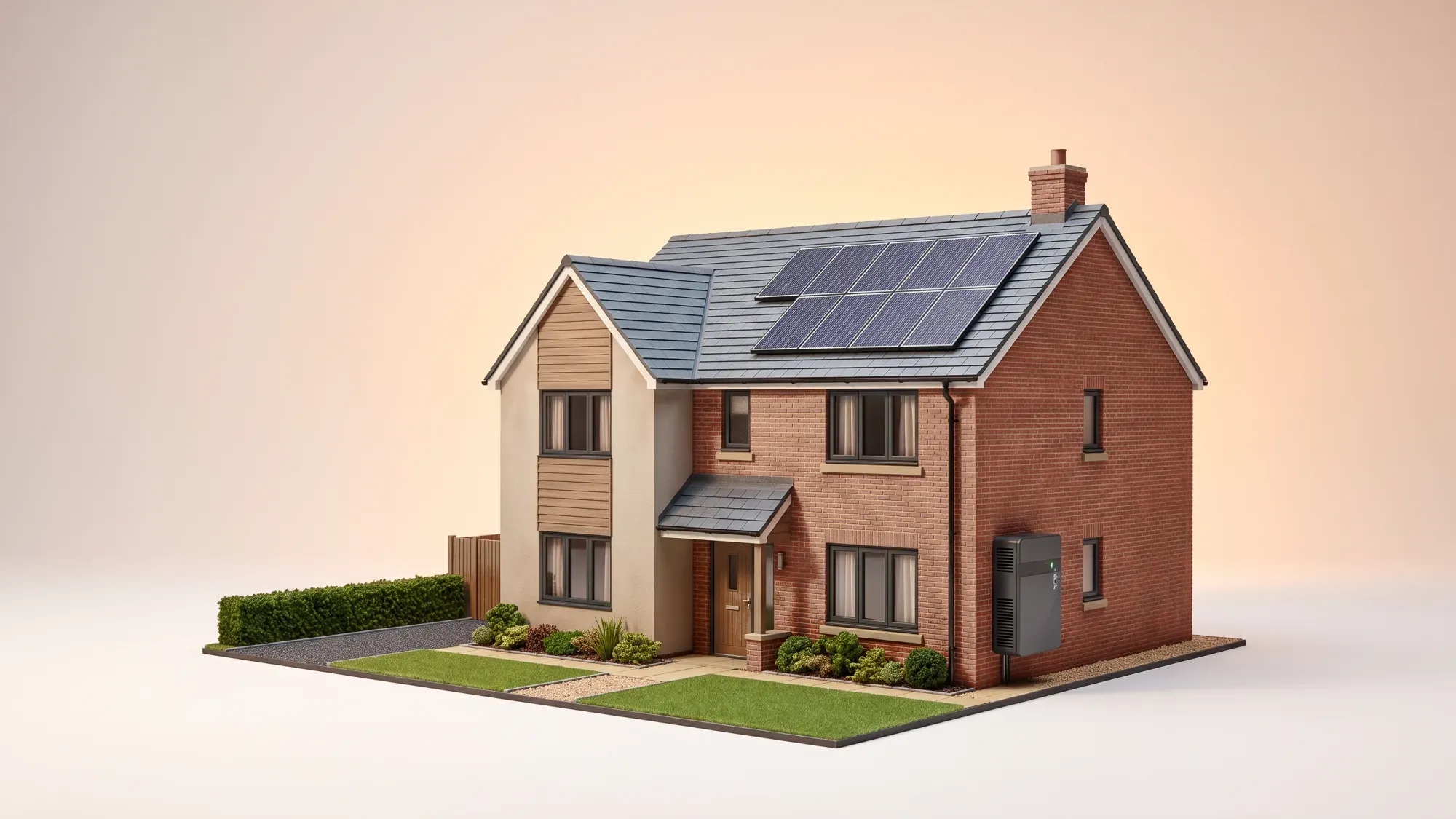
Designing a green home house plan means creating a living space that not only minimises environmental impact but actively generates and manages its own energy. This moves beyond mere efficiency to true energy abundance. This guide helps homeowners navigate the process, from initial design principles to integrating smart energy systems and selecting sustainable materials, ensuring your home is comfortable, cost-effective, and future-ready.
Your home's energy management is key to achieving true abundance. Fuse Energy helps you take control of your energy use with clear pricing and smart tools. Click here to switch to Fuse Energy today and power your green home with confidence.
Enter your address to get a quote and see how much you could save
What defines a green home house plan?
A green home house plan goes beyond simply reducing energy consumption; it's about creating a home that works in harmony with its environment, providing a surplus of energy and resources. This holistic approach ensures long-term sustainability, comfort, and control over your energy future.
Beyond energy efficiency: a holistic view
Traditionally, "green" homes focused on energy efficiency - using less to save money and resources. While crucial, a truly sustainable home considers every aspect of its lifecycle: from the materials used in construction, to its ongoing operational energy, water consumption, and even its impact on the local ecosystem. This means integrating design principles that maximise natural light and ventilation, selecting low-carbon materials, and ensuring excellent indoor air quality.
The shift to energy abundance
The future of sustainable living isn't just about cutting back; it's about having "power to play with". This shift moves the focus from a scarcity mindset to one of energy abundance, where your home generates more power than it needs. By integrating smart energy generation, storage, and management systems from the outset, homeowners can achieve energy independence, reduce reliance on the grid, and even contribute surplus energy back to it. This approach transforms your home into a resilient, self-sufficient energy hub, ready for evolving demands like electric vehicle (EV) charging and increased smart appliance use.
Core principles of sustainable house design
Effective green home design starts with fundamental principles that harness natural elements and advanced building techniques to create an inherently efficient structure.
Optimising site and orientation
The first step in any green home plan is understanding your building site. Orienting your home correctly can significantly reduce energy demand. In the UK, this often means maximising south-facing glazing to capture passive solar gain during winter, while carefully designing shading solutions to prevent overheating in summer. Consideration of prevailing winds can also aid natural ventilation, reducing the need for mechanical cooling.
Passive design strategies
Passive design uses the building's form and fabric to maintain comfortable indoor temperatures without active heating or cooling systems. This includes:
- Natural light: Large windows and thoughtful layouts reduce the need for artificial lighting during the day.
- Passive ventilation: Strategic placement of windows and vents creates cross-ventilation, cooling the home naturally.
- Thermal mass: Using materials like concrete or brick can absorb and release heat slowly, stabilising indoor temperatures.
High-performance building envelope
The building envelope - your home's walls, roof, floor, and windows - is critical for energy efficiency. High-performance insulation, such as thick layers of mineral wool or rigid foam, significantly reduces heat loss in winter and heat gain in summer. Paired with high-performance glazing (double or triple-glazed windows with low-emissivity coatings) and exceptional airtightness, heat loss can be significantly reduced. For instance, a modern new build wall can lose heat at roughly one-sixth the rate of a typical Victorian solid wall, and internal wall insulation can reduce heat loss through solid walls by up to 60%. Homes built to Passivhaus standards, for example, can reduce heating demand by up to 90% compared to typical new builds.
Integrating smart energy systems from day one
To achieve energy abundance, smart energy systems must be a foundational element of your green home house plan, not an afterthought.
Solar PV and battery storage: your power hub
Solar photovoltaic (PV) panels generate clean electricity directly from sunlight. When combined with battery storage, your home can store excess energy generated during the day for use at night or during periods of low sunlight. This integration can significantly reduce a home's reliance on grid electricity, potentially achieving near net-zero energy consumption. By designing for these systems from the initial architectural phase, you ensure optimal placement, seamless integration, and maximum efficiency.
Smart energy management and control
A smart energy management system acts as the brain of your green home, optimising energy flow between generation, storage, and consumption. Systems like Fuse's smart energy ecosystem can seamlessly integrate with your smart meters, solar PV, and battery storage. This allows for real-time monitoring, control, and optimisation via an intuitive app, giving you transparency and command over your home's energy performance. You can see how much energy you're generating, storing, and using, making informed decisions to maximise your energy independence.
How much electricity does the average UK home use?
According to Ofgem, the average UK home uses around 2,500 kWh of electricity per year. Understanding this baseline helps homeowners gauge their potential for energy independence and size their renewable energy systems appropriately to meet or exceed their household's typical demand.
Planning for future energy demands
A truly future-proof green home anticipates evolving energy needs. This includes:
- Electric vehicle (EV) charging: Incorporating dedicated EV charging points and sufficient electrical capacity in your design ensures your home can power future transport needs.
- Smart appliances: As more appliances become smart and connected, your home's energy system should be able to manage these loads efficiently, potentially shifting usage to times when renewable energy is abundant.
- grid services: Future homes may actively participate in grid balancing, selling surplus energy back or adjusting consumption based on grid demand, further enhancing their value and sustainability.
Choosing sustainable materials and construction
The environmental impact of your home extends beyond its operational energy; the materials you build with play a significant role.
Low-carbon and recycled options
Prioritising materials with a low embodied carbon footprint is essential. This includes:
- Timber: Sustainably sourced timber is a renewable resource that sequesters carbon.
- Recycled materials: Using recycled steel, plastic, or aggregates reduces demand for virgin resources and minimises waste.
- Natural insulation: Materials like sheep's wool, hemp, or cellulose offer excellent thermal performance with lower environmental impact than synthetic alternatives.
Local sourcing and embodied carbon
Sourcing materials locally reduces transportation emissions and supports regional economies. The embodied carbon of a material accounts for all greenhouse gas emissions associated with its production, transport, and disposal. Opting for locally sourced, low-embodied-carbon materials significantly reduces your home's overall environmental footprint.
Healthy indoor environments
Sustainable material selection also contributes to healthier indoor environments. Choosing materials free from volatile organic compounds (VOCs) and other harmful chemicals ensures better air quality for occupants, promoting well-being and comfort.
Navigating planning and regulations for eco-homes
Building a green home in the UK involves adhering to specific regulations and understanding available support.
Understanding UK building regulations
UK Building Regulations Part L (Conservation of Fuel and Power) sets minimum energy efficiency standards for new dwellings and major renovations. Your green home design will need to meet or exceed these standards, which cover aspects like insulation levels, airtightness, and heating system efficiency. Energy Performance Certificates (EPCs) are legally required for new homes, providing a rating from A to G, with A being the most efficient. Aiming for an A-rated EPC is a clear goal for an energy-abundant home.
Planning permission considerations
Planning permission for new builds or significant extensions may include specific conditions related to sustainable design. This could involve requirements for material choices, renewable energy installations (like solar panels), or water conservation measures. Engaging with architects experienced in eco-friendly design can help navigate these requirements smoothly.
Available grants and incentives
Various grants and incentives may be available to support eco-friendly builds and renovations in the UK. These can change, so it's worth researching current schemes that might assist with the installation of renewable energy technologies or improvements to energy efficiency.
The long-term benefits of an abundant green home
Investing in a green home house plan delivers significant advantages that extend far beyond initial construction.
Financial savings and property value
An energy-abundant home dramatically reduces or even eliminates energy bills, leading to substantial long-term financial savings. Homes with high energy efficiency ratings and integrated renewable energy systems also typically command higher property values and are more attractive to buyers concerned about running costs and environmental impact.
Enhanced comfort and well-being
Green homes are designed for superior comfort. Excellent insulation, airtightness, and passive design strategies result in stable indoor temperatures, eliminating draughts and cold spots. Mechanical ventilation with heat recovery (MVHR) systems can provide a constant supply of fresh, filtered air, improving indoor air quality and occupant well-being.
A future-proofed lifestyle
Designing your home for energy abundance from day one means it's inherently future-proof. It can comfortably accommodate evolving energy demands, such as widespread EV charging and increasing reliance on smart home technology, without costly retrofits. This provides peace of mind and the freedom to live fully, knowing your home is equipped for whatever the future holds.
Take the stress out of managing your green home's energy. With Fuse Energy, you get clear pricing, real-time usage data, 24/7 human customer support, and a modern energy experience designed around you. Signing up takes just a few minutes, so you can take control of your bills from day one. Click here to switch to Fuse Energy today and start saving. Find out more about our mission to make energy abundant by clicking here.
Disclaimer
For the avoidance of doubt, this article is provided for informational purposes only and is not intended to constitute legal or financial advice. The author and/or Fuse Energy shall not be responsible for any losses arising out of any reliance on the information contained herein.