Green building materials for sustainable homes
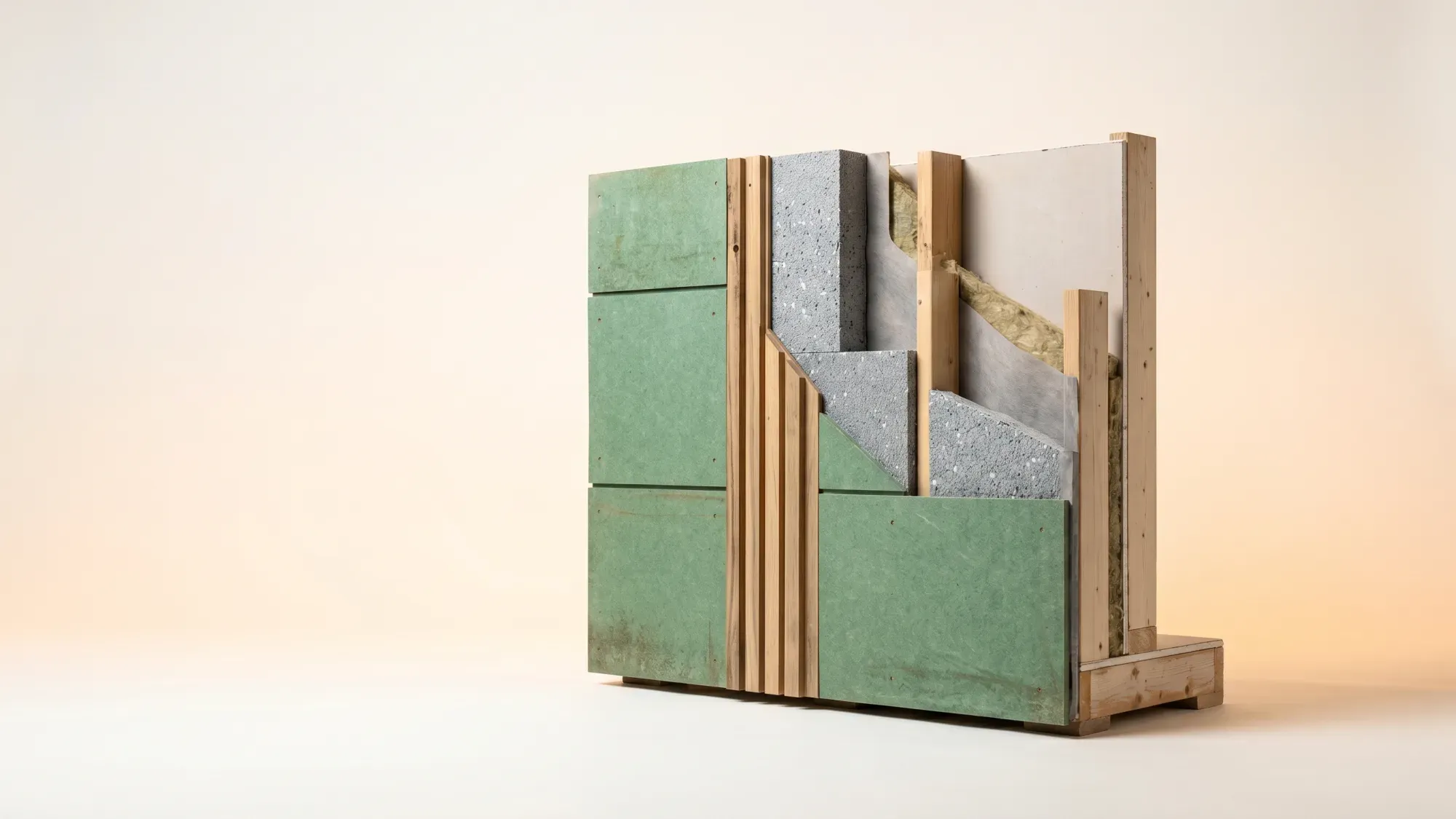
UK homeowners often seek ways to implement green building materials that offer both environmental benefits and tangible energy savings. The UK's built environment is a significant contributor to the nation's carbon footprint, directly responsible for 25% of its greenhouse gas emissions. Addressing this requires a shift towards sustainable practices, making green building materials a foundational element for creating energy-efficient homes and enabling greater energy independence.
Choosing green materials can help you create a more energy-efficient home, reducing your reliance on traditional energy sources. If you are looking to manage your home energy more effectively, consider switching to Fuse Energy. Click here to switch to Fuse Energy today.
Enter your address to get a quote and see how much you could save
What are green building materials?
Green building materials are those that reduce environmental impact throughout a building's entire lifecycle, from raw material extraction and manufacturing to transportation, installation, use, and eventual disposal. They are selected for their sustainability credentials, aiming to minimise ecological harm and promote healthier indoor environments.
Defining sustainability in construction
Sustainability in construction extends beyond just the finished product; it encompasses the entire process. This means considering the embodied carbon of materials - the greenhouse gas emissions associated with their production, transport, and construction processes. Embodied carbon can account for a substantial portion of a building's total carbon footprint, potentially making up almost half of the carbon footprint in new construction between now and 2050. Green materials aim to lower this impact.
Key characteristics of eco-friendly materials
Eco-friendly materials typically possess several key characteristics: they are often renewable, recycled, or locally sourced to reduce transport emissions. They should also be durable, require minimal maintenance, and be recyclable or biodegradable at the end of their useful life. Furthermore, many green materials contribute to improved indoor air quality by emitting fewer volatile organic compounds (VOCs) and other harmful substances.
The benefits of choosing green materials
Opting for green building materials offers a multitude of advantages, impacting everything from energy bills to occupant health and the planet's well-being.
Enhanced energy efficiency and lower bills
One of the most compelling benefits of green building materials is their contribution to energy efficiency. Materials like high-performance insulation significantly reduce heat loss, leading to lower heating and cooling demands. For instance, combining various insulation methods, including roof, wall, window, and floor insulation, can lead to up to 70% savings on gas bills. Insulated walls alone can reduce heating and cooling energy consumption by 30% to over 50% compared to uninsulated walls. This directly translates into reduced energy consumption and, consequently, lower utility bills.
Improved indoor air quality and health
Traditional building materials can release harmful chemicals into the air, impacting occupant health. Green materials often use natural, non-toxic components, reducing exposure to allergens, pollutants, and VOCs. This creates a healthier indoor environment, which is particularly beneficial for individuals with respiratory issues or sensitivities.
Reduced environmental impact
By choosing green materials, you actively contribute to mitigating climate change. These materials typically have lower embodied carbon, meaning fewer emissions are generated during their production and transport. They often utilise recycled content, diverting waste from landfills, and many are sourced from sustainable, rapidly renewable resources. This holistic approach minimises the overall ecological footprint of construction projects.
Long-term value and resilience
Green buildings are designed for longevity and resilience. Their durability and reduced maintenance needs translate into lower lifecycle costs. Furthermore, as energy prices fluctuate and environmental regulations tighten, homes built with green materials are better positioned to retain their value and meet future standards, offering a sound long-term investment.
Popular green building materials for UK projects
The UK market offers a growing array of green building materials suitable for various applications, from structural elements to finishes.
Sustainable insulation options
Insulation is crucial for energy efficiency. Sustainable choices include:
- Hempcrete: A bio-composite material made from hemp hurds and lime, offering excellent thermal and acoustic insulation properties. It is breathable and sequesters carbon.
- Wood fibre insulation: Made from recycled wood chips, it provides good thermal performance and can regulate humidity.
- Sheep's wool: A natural, renewable, and breathable insulator with good moisture-regulating properties.
- Recycled denim/plastic bottle insulation: Made from post-consumer waste, these options offer effective thermal performance and divert materials from landfill.
Low-carbon structural materials
Reducing the embodied carbon in a building's structure is vital.
- Timber frames: Sourced from sustainably managed forests, timber is a renewable resource that sequesters carbon.
- Recycled steel and concrete: Utilising recycled content significantly reduces the energy and emissions associated with producing new materials.
- Straw bales: A highly renewable and insulating material for walls, offering excellent thermal performance.
Eco-friendly finishes and coatings
The finishing touches also matter.
- Natural paints and plasters: Made from mineral or plant-based ingredients, these avoid the harmful VOCs found in many conventional paints.
- Recycled glass tiles: A decorative and durable option that reuses waste material.
- Sustainable flooring: Options like bamboo, cork, or reclaimed timber offer durability and a lower environmental impact.
Recycled and reclaimed materials
Embracing the circular economy, recycled and reclaimed materials give new life to existing resources. This includes reclaimed bricks, timber, and even architectural salvage, which not only reduces waste but can also add unique character to a property.
Integrating green materials with your home energy system
Choosing green building materials is the first step towards an energy-abundant home. These materials form the essential shell that minimises energy demand, making any subsequent energy solutions more effective.
Creating an energy-optimised building envelope
A well-designed, green building envelope drastically reduces the amount of energy needed to heat or cool a home. High-performance insulation, airtight construction, and efficient windows work together to create a stable internal climate. This means your home requires less energy from heating and cooling systems, regardless of their fuel source. This reduced demand is fundamental to maximising the impact of clean energy solutions.
Maximising renewable energy generation
When a home's energy demand is inherently low due to superior insulation and design, renewable energy sources like solar panels can have a greater impact. A smaller solar array can meet a larger proportion of the home's reduced energy needs, leading to increased self-sufficiency. This synergy between green materials and renewable generation allows homeowners to take greater control over their energy consumption.
Future-proofing with smart energy management
Integrating green materials with smart energy management systems further enhances efficiency. By reducing baseline energy consumption, these materials allow smart systems to optimise energy use more effectively, for example, by directing excess solar power to battery storage or adjusting heating based on occupancy. This creates a resilient home that is less susceptible to energy price fluctuations and contributes to a more sustainable energy ecosystem.
Navigating UK regulations and support
Understanding the UK's regulatory landscape and available support is crucial for anyone embarking on a green building project.
Building regulations and standards
Building Regulations Part L (Conservation of Fuel and Power) sets mandatory standards for energy efficiency in new and existing buildings across the UK. The latest updates, effective since June 2023, aim to reduce carbon emissions for new homes by at least 31% compared to 2013 standards. Compliance with Part L ensures that buildings meet minimum energy performance requirements.
Certification schemes (BREEAM, passivhaus)
Beyond mandatory regulations, several independent certification schemes promote and assess sustainable building performance:
- BREEAM (Building Research Establishment Environmental Assessment Method) is the UK's leading sustainability assessment scheme, rating buildings across categories like energy, water, and materials on a five-tier scale from Pass to Outstanding. It is often a requirement for larger commercial and public projects.
- Passivhaus is an independent quality assurance process guaranteeing extremely low energy consumption, thermal comfort, and high indoor air quality through rigorous design and construction standards.
Potential incentives for green building
The UK government offers various grants and incentives to encourage energy efficiency upgrades and sustainable construction. In December 2023, a planned £6 billion funding drive was unveiled to support schemes for reducing energy use, promoting heat pumps, and improving insulation in residential properties, with funds assigned between 2025 and 2028. Current schemes include:
- ECO4 scheme: Aims to assist low-income households with energy efficiency improvements, including insulation and heating upgrades, and is scheduled to close on 31 December 2026.
- Boiler Upgrade Scheme: Provides £7,500 towards the cost of installing air source or ground source heat pumps.
- Warm Home Discount scheme: Offers a £150 discount on electricity bills for eligible low-income households, reopening in October 2026 for winter 2026 to 2027.
What is embodied carbon?
Embodied carbon refers to the greenhouse gas emissions released throughout the lifecycle of building materials, from extraction and manufacturing to transport, construction, maintenance, and disposal. It can account for a significant portion of a building's total carbon footprint, making its reduction a key aspect of sustainable construction.
Making your home more energy efficient with green building materials is a smart investment for the future. Once your home is optimised, managing your energy supply efficiently becomes the next step. Fuse Energy offers clear pricing, real-time usage data, and 24/7 human customer support to help you take control of your energy bills. Find out more about our mission to create an energy-abundant future here.
Disclaimer
For the avoidance of doubt, this article is provided for informational purposes only and is not intended to constitute legal or financial advice. The author and/or Fuse Energy shall not be responsible for any losses arising out of any reliance on the information contained herein.