Glow-worm boiler: troubleshooting and replacement
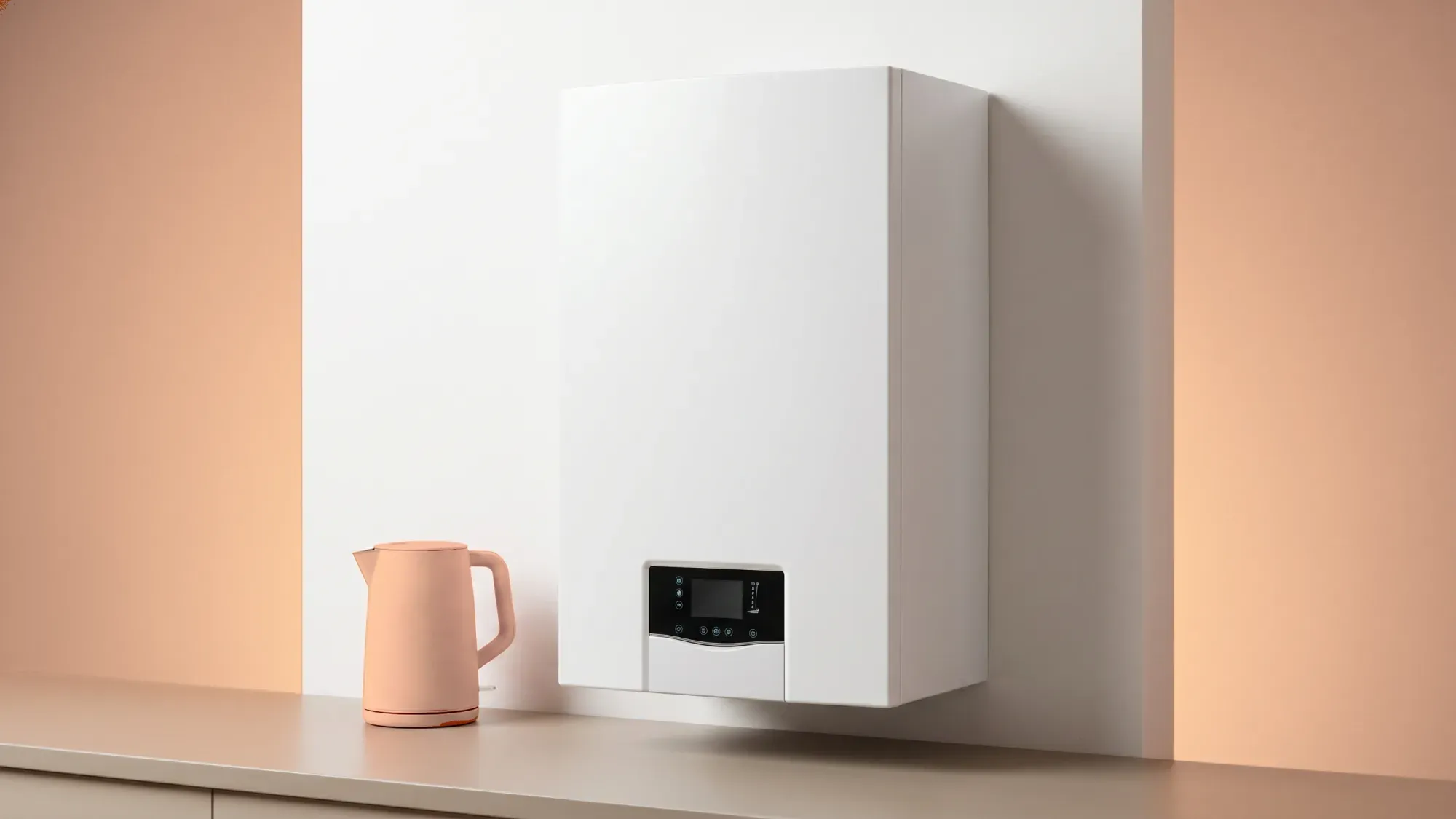
Effectively managing your Glow-worm boiler involves understanding its operation, troubleshooting common issues, and knowing when professional help is necessary. This guide offers practical information to help keep your heating system running smoothly, covering everything from basic maintenance to considering a replacement.
Understanding your boiler's behaviour and maintenance needs can help you ensure efficient heating and hot water for your home.
Understanding your glow-worm boiler
Glow-worm boilers are a familiar sight in many UK homes, known for their reliability and range of options. Getting to grips with your specific model and its features is the first step towards efficient home heating.
History and brand overview
Glow-worm has been a well-established name in the UK heating industry for decades, building a reputation for producing robust and dependable boilers. The brand is part of the Vaillant Group, a leading European manufacturer of heating technology. This affiliation brings extensive research and development capabilities to Glow-worm's product line, ensuring they meet modern efficiency and performance standards.
Types of glow-worm boilers: combi, system, and regular
Glow-worm offers three main types of gas boilers, each suited to different household needs:
- Combi boilers: These are compact units that provide both heating and hot water on demand, without the need for a separate hot water cylinder or cold water tank. They are ideal for smaller homes or those with limited space.
- System boilers: System boilers include a built-in pump and expansion vessel, making installation simpler than regular boilers. They require a separate hot water cylinder but do not need a cold water tank in the loft, making them suitable for homes with multiple bathrooms.
- Regular (heat-only) boilers: Also known as conventional boilers, these systems require both a hot water cylinder and a cold water storage tank. They are often found in older properties and are a good choice for homes with high hot water demand or those looking to replace an existing conventional system.
Key features and efficiency
Modern Glow-worm boilers, like other leading brands, incorporate condensing technology. This design captures heat from exhaust gases that would otherwise be wasted, significantly improving efficiency. As a result, many Glow-worm condensing boilers can achieve high efficiencies, often exceeding 90% or more, as measured by their seasonal efficiency of central heating (SEDBUK) rating. This high efficiency translates into lower energy bills and a reduced carbon footprint. Since April 2018, all new gas boiler installations in England must meet a minimum 92% ErP (Energy-related Products) efficiency rating under the Boiler Plus standard.
If you are considering a new boiler installation, Fuse Energy offers a modern, reliable alternative with the Vaillant ecoTEC Plus. Fuse Energy exclusively installs the Vaillant ecoTEC Plus boiler and does not supply, install, or service Glow-worm models. This guide is provided for informational purposes only, empowering homeowners with comprehensive information to make informed decisions about their heating.
Common glow-worm boiler problems and troubleshooting
Boilers can sometimes develop issues, but many common problems have straightforward causes. Knowing what to look for can help you decide whether you can resolve it yourself or if you need to call a professional.
Low boiler pressure: how to repressurise
Low boiler pressure is a frequent culprit behind heating system problems. Most domestic Glow-worm boilers typically operate optimally within a pressure range of 1 to 1.5 bar when cold. If the pressure gauge drops below 1 bar, you may need to repressurise your boiler.
What is boiler pressure?
Boiler pressure refers to the balance of water and air within your central heating system. If it's too low, water may not circulate effectively, leading to cold radiators or the boiler shutting down. If it's too high, it can strain components and potentially cause leaks.
To repressurise, you will usually need to locate the filling loop (a silver braided hose with two valves) underneath your boiler. Open both valves slowly until the pressure gauge reaches the recommended level (typically between 1 and 1.5 bar), then close both valves firmly. Always consult your boiler's user manual for specific instructions, as procedures can vary between models. If pressure drops frequently, it could indicate a leak in the system, which requires professional attention.
No hot water or heating
If your Glow-worm boiler is not providing hot water or heating, check these common points:
- Thermostat settings: Ensure your thermostat is set correctly and calling for heat.
- Timer/programmer: Verify that the heating schedule is active and not set to 'off'.
- Boiler reset: Try resetting your boiler according to your manual's instructions.
- Pilot light (older models): If your boiler has a pilot light, check if it is lit.
- Frozen condensate pipe: In cold weather, the condensate pipe (usually a plastic pipe leading outside) can freeze, causing a blockage. You might be able to thaw it with warm water, but be cautious and refer to your manual.
Understanding glow-worm fault codes
Modern Glow-worm boilers display fault codes on their digital screen when an issue arises. These codes are designed to help diagnose the problem. For example, an F1 fault code might indicate low water pressure, while an F2 might point to an ignition fault. Your boiler's user manual will contain a comprehensive list of fault codes and their meanings, often providing basic troubleshooting steps for each. Always refer to this manual first.
Boiler making unusual noises
Strange noises from your boiler can be unsettling.
- Gurgling or bubbling: Often indicates air trapped in the system or low water pressure. Bleeding your radiators can help remove air.
- Kettling: A rumbling sound, similar to a boiling kettle, suggests a build-up of limescale or sludge in the heat exchanger. This reduces efficiency and requires a professional power flush or chemical clean.
- Whistling or humming: Could be due to a pump issue or a blockage.
Any persistent or loud unusual noises should prompt a call to a Gas Safe registered engineer.
Maintaining your glow-worm boiler
Regular maintenance is key to ensuring your Glow-worm boiler operates safely, efficiently, and reliably for years to come.
Importance of annual servicing
An annual service by a Gas Safe registered engineer is not just a recommendation; it is crucial for several reasons:
- Safety: Engineers check for dangerous carbon monoxide leaks and ensure all components are working safely.
- Efficiency: Servicing helps maintain optimal performance, preventing minor issues from reducing efficiency and increasing energy bills.
- Longevity: Regular checks can identify and rectify small problems before they escalate into costly breakdowns, extending your boiler's lifespan.
- Warranty: Many manufacturer warranties require annual servicing to remain valid.
DIY checks: what you can safely do
While professional servicing is essential, there are a few simple checks you can perform safely:
- Check boiler pressure: Regularly monitor the pressure gauge and repressurise if it drops too low.
- Bleed radiators: If some radiators are cold at the top and warm at the bottom, they may have trapped air. Bleeding them releases this air, improving heating efficiency.
- Keep the area clear: Ensure your boiler has adequate ventilation and that nothing is blocking its flues or vents.
- Listen and look: Pay attention to any unusual noises or leaks and address them promptly.
Finding a gas Safe registered engineer
All boiler installations, servicing, and significant repairs in the UK must be carried out by a Gas Safe registered engineer. This is a legal requirement designed to ensure safety and compliance with regulations. Always check an engineer's Gas Safe ID card before they start work. You can find registered engineers through the Gas Safe Register website.
When to consider replacing your glow-worm boiler
Even with the best maintenance, boilers do not last forever. Knowing when to replace your Glow-worm boiler can save you money and hassle in the long run.
Signs your boiler needs replacing
Consider replacing your boiler if you notice any of these signs:
- Age: If your boiler is over 10-15 years old, it is likely approaching the end of its efficient lifespan.
- Frequent breakdowns: If you are constantly calling out engineers for repairs, the cumulative cost can quickly outweigh the investment in a new boiler.
- Reduced efficiency: Older boilers are less efficient, meaning higher energy bills. If your bills are creeping up without a clear reason, your boiler might be the culprit.
- Lack of hot water or heating: If your boiler struggles to provide consistent heat or hot water, it might be time for an upgrade.
- Leaking: Leaks can indicate internal component failure and often signal the need for a replacement.
Benefits of upgrading to a new boiler
Upgrading to a new, modern condensing boiler offers several advantages:
- Improved efficiency: New boilers are significantly more efficient, potentially saving you money on energy bills.
- Enhanced reliability: A new boiler comes with a warranty and is less likely to break down.
- Better control: Modern boilers often integrate with smart thermostats, offering greater control over your heating.
- Compliance: New installations must meet the Boiler Plus standard (introduced in 2018), which mandates certain efficiency and control requirements, promoting energy efficiency.
Understanding boiler warranties and lifespan
Glow-worm boilers typically come with a manufacturer's warranty, which can range from a few years up to a decade, depending on the model and whether it is installed by an accredited installer. The average lifespan of a well-maintained gas boiler, including Glow-worm models, is typically 10 to 15 years. Regular servicing is usually a condition for keeping your warranty valid.
Choosing a new boiler: what to look for
If you are considering a new boiler, it is important to choose one that fits your home and lifestyle.
Efficiency ratings and running costs
Look for boilers with high efficiency ratings (e.g., A-rated ErP or high SEDBUK scores) to ensure lower running costs. Modern condensing boilers are designed to be highly efficient, converting more of the fuel into usable heat. Factor in the boiler's output (kW) and your home's heat demand to ensure you select an appropriately sized unit.
Boiler type and size for your home
The choice between a combi, system, or regular boiler depends on your hot water demands, property size, and existing heating system. A Gas Safe registered engineer can help you determine the best type and size (kW output) for your home, ensuring it can adequately heat your property and provide sufficient hot water without being oversized or undersized.
Considering the Vaillant ecotec Plus as an alternative
For homeowners seeking a new boiler installation, Fuse Energy offers the Vaillant ecoTEC Plus. This premium boiler is known for its efficiency, quiet operation, and robust performance, backed by Vaillant's reputation for quality. Fuse Energy exclusively installs the Vaillant ecoTEC Plus boiler and does not supply, install, or service Glow-worm models.
Disclaimer
For the avoidance of doubt, this article is provided for informational purposes only and is not intended to constitute legal or financial advice. The author and/or Fuse Energy shall not be responsible for any losses arising out of any reliance on the information contained herein.