Glen Lyn gorge and its water power history
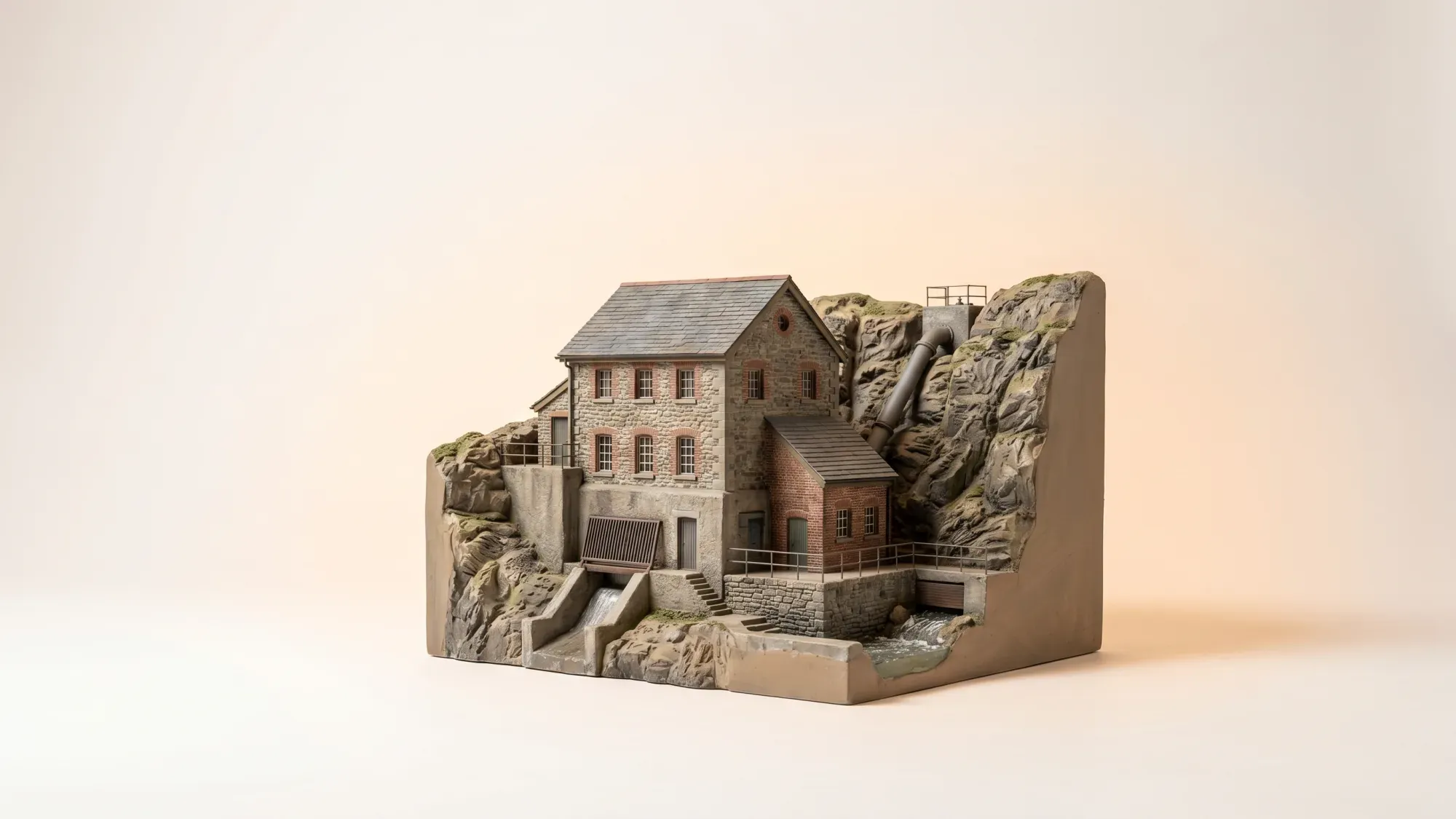
Glen Lyn Gorge, nestled near Lynmouth in North Devon, is a dramatic natural landmark within Exmoor National Park. It is renowned for its striking waterfalls and unique geology. This guide explores the gorge's natural beauty, its pioneering history of harnessing water power, and practical information for visitors. The area, including Lynmouth, stands as a testament to both the raw power of nature and the resilience of the community, particularly following the devastating 1952 flood.
Just as Glen Lyn Gorge harnessed nature's power, Fuse Energy helps you manage your home's energy more effectively, offering smart upgrades and clear pricing. We believe in a future with power to play with, where energy is abundant and easy to manage. Click here to switch to Fuse Energy today.
Enter your address to get a quote and see how much you could save
Discovering Glen Lyn gorge
A natural wonder in North Devon
Glen Lyn Gorge is a Site of Special Scientific Interest (SSSI) , located at the mouth of the West Lyn River in Lynmouth. This unique destination offers a captivating blend of natural beauty and historical insight, showcasing the immense power of water. Its steep, wooded paths provide breathtaking viewpoints and dramatic scenery, drawing visitors interested in geology and the natural world. The gorge's distinctive character is shaped by the relentless flow of the river, carving through ancient rock formations.
The allure of its waterfalls
The gorge features several waterfalls along its winding trails, offering close-up views of rushing water and rock formations. From smaller cascades to more impressive drops, the waterfalls create a dynamic and immersive experience, with the sound of tumbling water accompanying visitors throughout their journey. These natural spectacles are a highlight for many, providing picturesque photo opportunities and a sense of tranquillity amidst the rugged landscape.
Pioneering water power
Beyond its natural splendour, Glen Lyn Gorge holds a significant place in the history of renewable energy. Lynmouth became one of the first places in the UK to be powered by hydroelectricity, starting in the 1890s . This pioneering scheme harnessed the West Lyn River, marking a remarkable feat of engineering that brought electric light to the village long before many other communities.
The Glen Lyn gorge Hydro museum
The Glen Lyn Gorge Hydro Museum serves as a captivating educational centre, preserving the legacy of Lynmouth's early hydroelectricity. Here, visitors can explore interactive exhibits and view original turbines from the 1890s, learning about the ingenious system that powered the village. The museum also provides insights into the raw power of water, the impact of the devastating 1952 Lynmouth flood , and the community's subsequent rebuilding efforts. It offers a tangible connection to the past, illustrating how natural forces were harnessed for progress.
Planning your visit
Getting there
Glen Lyn Gorge is easily accessible from Lynmouth village, which is well-connected by road. Parking is available in Lynmouth, with a short walk to the gorge entrance. For those using public transport, local bus services operate to Lynmouth from larger towns in Devon.
Accessibility and terrain
While the gorge features steep, uneven paths, efforts have been made to ensure wider access where possible. Visitors with mobility considerations should check the official Glen Lyn Gorge website or contact them directly for the most up-to-date information on accessible routes and facilities. Countryside Mobility , for example, offers mobility scooter hire in various locations across the South West, which may be beneficial for exploring the wider area.
Opening times and entry
Glen Lyn Gorge and its Hydro Museum typically operate seasonal opening hours, often from spring through to autumn. There is usually an entry fee, which contributes to the upkeep and preservation of this unique site. It is advisable to check the official website for current opening times, admission prices, and any special events before planning your trip.
Is Glen Lyn Gorge suitable for dogs?
Yes, Glen Lyn Gorge is generally dog-friendly, with well-behaved dogs welcome on leads. However, due to the steep and sometimes uneven terrain, it's essential to ensure your dog is comfortable with such conditions. Always check the official website for any specific restrictions or updates before your visit.
Tips for your visit
- Footwear: Wear sturdy, comfortable walking shoes, as paths can be steep and wet.
- Clothing: Dress in layers, suitable for varying weather conditions in Devon.
- Time: Allow at least 2-3 hours to explore the gorge and museum thoroughly.
- Photography: Don't forget your camera to capture the stunning waterfalls and scenery.
Conclusion
Glen Lyn Gorge offers a truly unique experience, blending the raw beauty of North Devon's natural landscape with a fascinating glimpse into the history of water power. It's a place where you can witness nature's grandeur, learn about human ingenuity, and reflect on the enduring power of water. Just as the pioneers of Lynmouth harnessed the West Lyn River for their community, Fuse Energy is building a future where energy is abundant, giving you the power to play with.
Managing your home's energy can feel complex, but it doesn't have to be. Fuse Energy offers clear pricing, real-time usage data through our app, and 24/7 human customer support to help you stay in control. We're building a future where energy is abundant, giving you the power to play with. Switch to Fuse Energy today and experience a modern approach to home energy. Click here to get started. You can also learn more about our mission to make energy abundant by clicking here.
Disclaimer
For the avoidance of doubt, this article is provided for informational purposes only and is not intended to constitute legal or financial advice. The author and/or Fuse Energy shall not be responsible for any losses arising out of any reliance on the information contained herein.