Gas engineer services and home safety
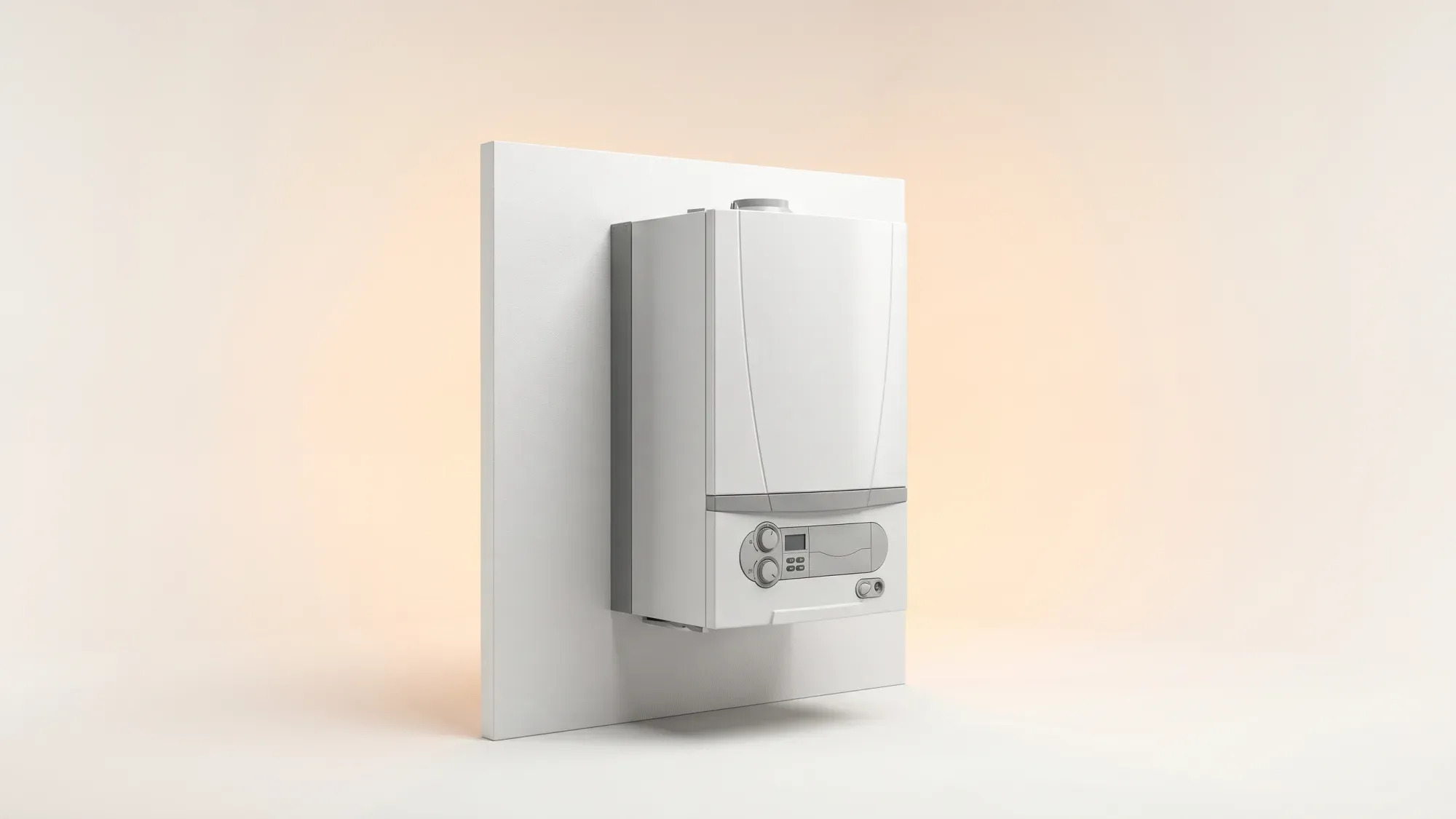
Gas appliances in your home need regular attention to keep you safe. This guide explains what a gas engineer does, why their qualifications matter, and how to ensure your home's gas systems are maintained safely and legally. Understanding how to keep your home safe is key to managing your energy effectively. While Fuse Energy focuses on providing clear, affordable energy, we also believe in empowering you with the knowledge to maintain a safe and efficient home.
Keeping your home's gas systems safe is crucial, and managing your energy efficiently goes hand-in-hand with that. Fuse Energy helps you take control of your home energy, making it simple to understand and manage your usage. Click here to switch to Fuse Energy today.
Enter your address to get a quote and see how much you could save
Understanding the role of a gas engineer
A gas engineer is a trained professional who works with natural gas systems and appliances, ensuring they function safely and efficiently in your home. Their work is strictly regulated due to the inherent risks associated with gas, such as leaks and carbon monoxide poisoning.
What is a gas engineer?
A gas engineer installs, services, and repairs gas appliances and pipework, from boilers and cookers to gas fires. Their core responsibility is to ensure that gas remains contained and burns safely within your property, requiring a deep understanding of gas systems, appliances, and safety regulations.
Key responsibilities and services provided
Gas engineers perform a range of tasks to maintain gas safety and functionality. These include:
- Installation and commissioning: Fitting new gas appliances like boilers, cookers, and fires, and ensuring they are set up correctly and safely. This involves technical tests to confirm correct gas pressure and safe operation.
- Maintenance and servicing: Conducting regular checks to keep gas appliances running smoothly, prevent issues, and ensure compliance with safety regulations. Annual servicing is crucial for safety and efficiency.
- Repairs: Diagnosing and fixing faults in gas systems, from a malfunctioning hob to a broken boiler.
- Safety checks: Performing emergency safety checks, detecting gas leaks, and checking for carbon monoxide. They use specialist equipment to test the air and flue gases.
- Issuing certificates: For landlords, they issue Gas Safety Certificates (CP12s) after annual inspections, which are a legal requirement.
The critical importance of gas safe registration
Working with gas carries significant risks, making proper qualifications and registration essential.
What is the gas safe Register?
The Gas Safe Register is the official gas registration body for the United Kingdom, Isle of Man, Jersey, and Guernsey. It was established in 2009 to replace CORGI as the official gas safety organisation. Its purpose is to protect the public from unsafe gas work by ensuring engineers are qualified and competent.
Why is gas safe registration a legal requirement?
By law, all gas businesses and engineers working in the UK must be on the Gas Safe Register. This legal requirement ensures that anyone carrying out gas work has demonstrated the necessary competence and experience. Unregistered individuals are breaking the law and putting lives at risk. Landlords, for example, are legally required to have annual gas safety checks carried out by a Gas Safe registered engineer.
The dangers of unregistered gas work
Hiring an unregistered or unqualified individual for gas work can lead to severe consequences. Poorly fitted or serviced appliances can cause gas leaks, fires, explosions, and carbon monoxide poisoning. Unregistered work often results in dangerous installations that pose a serious risk, with rectifying such jobs typically costing hundreds of pounds. In some cases, unregistered engineers have been prosecuted and jailed for carrying out unsafe gas work.
What is carbon monoxide?
Carbon monoxide (CO) is a highly poisonous gas that is colourless, odourless, and tasteless, making it impossible to detect without an alarm. It forms when carbon-containing fuels like gas, wood, or coal burn incompletely. Exposure can cause serious illness or death.
How to hire and verify a gas safe registered engineer
Ensuring your gas engineer is properly registered is your first line of defence against unsafe gas work.
Checking an engineer's credentials
Always verify an engineer's Gas Safe Register credentials before any work begins. Every Gas Safe registered engineer carries an ID card. You should ask to see this card and check the back to ensure they are qualified for the specific type of gas work you need (e.g., boilers, cookers, or fires). You can also check their registration online via the Gas Safe Register website.
What to expect during a service visit
During a gas appliance service, a Gas Safe engineer will perform a thorough inspection. This typically includes:
- Initial checks: Inspecting the gas meter for leaks or damage.
- Appliance inspection: Checking the appliance's components, such as burners, flues, seals, and heat exchangers. They will also verify that safety devices are working correctly.
- Efficiency test: Running the appliance (e.g., a boiler) for a period to check its efficiency using a flue gas analyser.
- Gas tightness test: Checking the pipework for leaks and ensuring correct gas pressure and flow.
- Certification: After completing the checks, the engineer will provide a Gas Safety Record, detailing the work carried out and any recommendations. The service should take no more than an hour for a typical appliance.
Questions to ask your engineer
Don't hesitate to ask your gas engineer questions. You might ask:
- "Can I see your Gas Safe Register ID card?"
- "What specific checks will you perform on my appliance today?"
- "How long will the service take?"
- "Will I receive a service report or certificate?"
- "Are there any recommendations for maintaining my appliance's safety or efficiency?"
Maintaining gas safety in your home
Proactive maintenance and awareness are key to preventing gas-related incidents.
Regular appliance servicing
Regular servicing of your gas appliances is not just about efficiency; it's a critical safety measure. Faulty appliances can produce carbon monoxide or lead to gas leaks. An annual service by a Gas Safe registered engineer helps ensure everything is working correctly and identifies potential risks before they become dangerous.
Recognising and responding to gas leaks
Natural gas has an artificial chemical called mercaptan added to it, giving it a distinctive 'rotten egg' smell to help detect leaks. Other signs of a gas leak can include a hissing or whistling sound near gas lines, dying plants near outdoor gas pipes, or an unexplained increase in your gas usage. Physical symptoms like headaches, dizziness, or nausea can also indicate exposure to a gas leak.
If you suspect a gas leak:
- Open doors and windows to ventilate the area.
- Turn off your gas supply at the meter, if it's safe to do so.
- Extinguish all naked flames and avoid anything that could create a spark, like electrical switches or mobile phones.
- Evacuate the property immediately.
- Call the National Gas Emergency Service from a safe location.
Protecting against carbon monoxide poisoning
Carbon monoxide is particularly dangerous because it's undetectable by human senses. Symptoms of carbon monoxide poisoning can mimic flu, including headaches, dizziness, nausea, and breathlessness. Installing audible carbon monoxide alarms in your home provides an essential early warning system. Regular servicing of gas appliances also significantly reduces the risk of carbon monoxide production.
Emergency gas situations: what to do
Knowing the correct steps in a gas emergency can save lives.
Immediate actions for suspected leaks
If you smell gas or suspect a leak, your immediate actions are crucial. Prioritise getting everyone out of the property and into fresh air. Do not use any electrical switches, light matches, or do anything that could cause a spark. Once you are in a safe place, call for help.
Contacting the National gas emergency service
The National Gas Emergency Service number for reporting gas leaks and other gas emergencies in the UK is 0800 111 999. This service operates 24 hours a day, 7 days a week, and calls are free. An emergency gas engineer will be dispatched to make the situation safe.
Fuse Energy empowers homeowners with critical knowledge about gas safety and qualified professionals, reinforcing its role as a trusted partner in effective home energy management. While we don't offer gas engineering services directly, we believe that informed customers are safer customers. Take control of your home energy bills with clear pricing and 24/7 human support. Click here to switch to Fuse Energy today.
Disclaimer
For the avoidance of doubt, this article is provided for informational purposes only and is not intended to constitute legal or financial advice. The author and/or Fuse Energy shall not be responsible for any losses arising out of any reliance on the information contained herein.