Friendly credit for prepayment meters
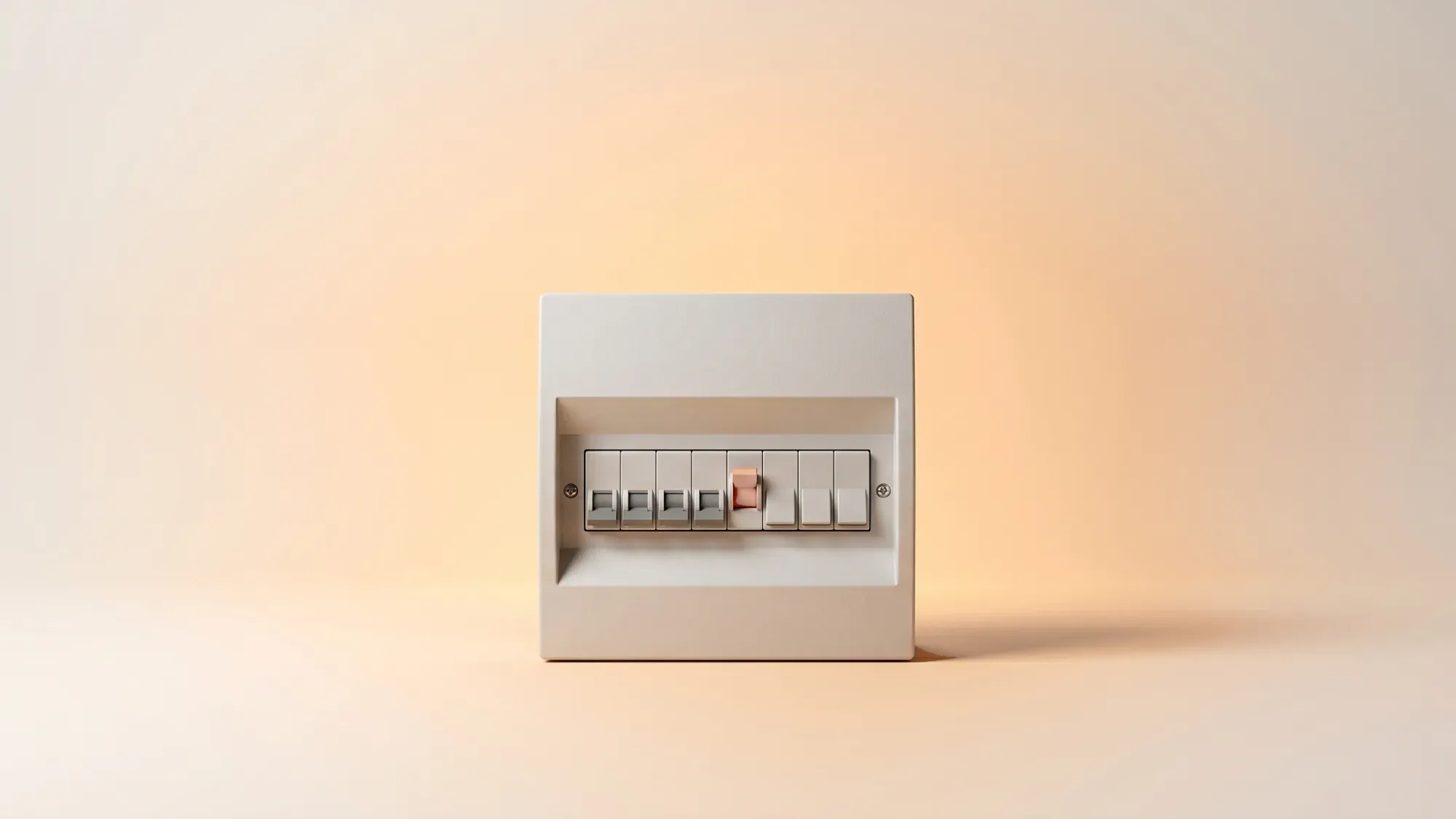
Friendly credit is a mechanism designed to prevent immediate self-disconnection for prepayment meter users. It offers a safety net, ensuring a continuous energy supply during critical times. This guide clarifies how friendly credit works, distinguishing it from emergency credit, and provides information to help manage energy accounts effectively and avoid unexpected disconnections.
Managing your energy should be straightforward, whether you use a prepayment meter or a credit meter. While friendly credit offers a safety net for prepayment users, modern energy management with a credit meter can help you avoid needing such provisions. Fuse Energy offers a digital-first approach to energy supply, focusing on clear billing and in-app management for credit meter customers. Click here to see how easy it is to switch to Fuse Energy.
Enter your address to get a quote and see how much you could save
What is friendly credit?
Friendly credit is a provision by energy suppliers that ensures prepayment meter customers maintain their electricity or gas supply during specific periods when top-up points may be closed or inaccessible. This measure acts as a vital safeguard against immediate disconnection, offering peace of mind to those who pay for their energy in advance. It is a consumer protection mechanism, often regulated by Ofgem, designed to prevent prepayment meter users from losing their energy supply, particularly when topping up is difficult. It ensures continuity of power during evenings, weekends, and public holidays, acting as a temporary safety net.
The purpose of friendly credit
The core purpose of friendly credit is to prevent customers from being disconnected from their energy supply at times when they cannot easily top up. It ensures that essential services like heating and lighting remain available, protecting households from the risks associated with sudden power loss. This temporary credit is not free; it is a loan that must be repaid when you next add money to your meter.
Who is eligible for friendly credit?
Friendly credit is typically available to all prepayment meter customers. If you have a smart prepayment meter, friendly credit will usually activate automatically. For traditional (non-smart) prepayment meters, it might also activate automatically, though it is always wise to check with your specific supplier. In very rare cases, older models of prepayment meters may not be able to access friendly credit, but suppliers can often arrange a meter replacement.
How friendly credit works
Friendly credit activates automatically if your prepayment meter runs out of credit during designated "friendly hours". This ensures your energy supply continues uninterrupted until the next opportunity to top up. The cost of any energy you use during this period is added as debt to your meter and will be deducted from your next top-up.
Activating friendly credit
Unlike emergency credit, which often requires manual activation, friendly credit typically kicks in automatically. If your meter runs out of credit during the specified friendly hours, your supply will not shut off. Instead, you will automatically move onto friendly credit.
Repaying friendly credit
Any energy used while on friendly credit is added as a debt to your meter. This amount must be repaid with your next top-up. For example, if you use a certain amount of friendly credit and then top up, that amount will first go towards repaying the friendly credit, with any remainder applied as new credit to your meter. If you consistently fail to top up and repay friendly credit, you risk losing access to this safety net, as suppliers may take steps to recover the debt.
Understanding friendly credit hours
Friendly credit hours are specific periods when your energy supply will not be cut off if your prepayment meter runs out of credit. These hours are designed to cover times when it might be difficult to top up, such as when shops are closed.
Typical friendly credit periods
While specific times can vary slightly between suppliers, friendly credit generally covers:
- Evenings: From late afternoon or early evening until the following morning.
- Weekends: From Friday evening through to Monday morning.
- Public holidays: Covering the entire holiday period.
For instance, some suppliers offer friendly credit from 4pm to 10am Monday to Friday, all weekend, and on bank holidays. Others might have slightly different timings, such as 3pm to 9am in winter and 4pm to 10am in summer for smart prepayment meters. It is important to note that for some gas meters, friendly credit may not be available, meaning your gas supply will turn off if it reaches zero credit at any time.
What happens outside friendly credit hours?
If your meter runs out of credit outside of friendly credit hours, your energy supply will typically disconnect. This is why it is crucial to monitor your balance and top up regularly, especially before these periods. If you are struggling to top up, you can often activate emergency credit (if available) to maintain your supply until you can add more credit.
Friendly credit vs emergency credit
Both friendly credit and emergency credit are temporary measures to prevent immediate disconnection for prepayment meter users, but they function differently.
Key differences explained
Emergency credit is a small, fixed amount of credit that you can activate manually from your meter when your balance is low. It is designed to give you a short window to top up before your supply cuts off. Friendly credit, on the other hand, activates automatically if your meter runs out during specific unsocial hours, such as evenings or weekends. You do not need to manually activate it; it simply keeps your supply on.
What is the main difference between friendly credit and emergency credit?
Friendly credit activates automatically during specific 'friendly hours' (evenings, weekends, bank holidays) if your prepayment meter runs out of credit. Emergency credit is a fixed amount you manually activate when your balance is low, providing a short buffer before disconnection. Both must be repaid with your next top-up.
When to use each type of credit
Emergency credit is available at any time your meter balance is low, allowing you to choose when to activate it. Friendly credit, however, is time-dependent and only activates if your meter runs out during predefined friendly hours. This means you might use emergency credit during the day if your balance is low, but friendly credit would kick in automatically if you run out of credit on a Saturday evening. Remember, both types of credit must be repaid with your next top-up.
Managing your prepayment meter
Effective management of your prepayment meter can help you avoid relying on friendly or emergency credit and ensure a continuous energy supply.
Tips for avoiding low credit
- Monitor your balance regularly: Keep an eye on your meter balance and aim to top up before it gets too low.
- Set reminders: Consider setting reminders to check your balance, especially before weekends or public holidays when top-up options might be limited.
- Understand your usage: Knowing your typical energy usage can help you budget for your top-ups.
- Know your top-up options: Familiarise yourself with all available top-up methods for your specific supplier. Most energy suppliers offer multiple ways to top up, including online through their website or app, over the phone, or in person at PayPoint, Payzone outlets, or Post Offices. Some suppliers offer dedicated apps for easy top-ups. You can often top up for others using a guest payment option.
- Contact your supplier: If you are struggling to afford your energy or are having issues with your prepayment meter, contact your energy supplier immediately. They can offer advice, discuss payment plans, or direct you to support services. Your supplier can offer various contact methods including phone numbers and online chat for customer service and emergency situations. You may also be eligible for schemes like the Warm Home Discount or the Priority Services Register1.
The role of smart meters in credit management
Smart meters offer enhanced control and convenience for managing energy. They provide near real-time information on your energy usage and balance, often displayed on an in-Home display unit. This allows you to monitor your consumption more effectively and receive alerts when your credit is running low. Many smart meters can be topped up remotely via an app, online, or over the phone, removing the need to visit a shop. This digital-first approach helps customers manage their accounts with clear information and control.
For those looking for a modern energy experience, Fuse Energy offers smart meter-enabled credit tariffs. Fuse Energy supports smart prepayment meters, with £10 emergency credit, friendly credit between 6pm and 9am, and top-ups available through Payzone or the Fuse app.2 Our focus is on simplifying energy management and providing a clear, easy-to-understand service. If you have a manual meter, you can still switch to Fuse Energy on a standard tariff and may be eligible for a free smart meter upgrade after switching in. This can make it easier to track spending and make informed decisions about your energy use.
Ready to take control of your energy bills with a modern, digital-first supplier? Fuse Energy makes switching simple, with clear pricing and real-time usage data available in our app. Our 24/7 human support team is always on hand to help. Click here to switch to Fuse Energy today. Find out more about our mission to make energy fairer by clicking here.
References
- Citizens Advice. Grants and benefits to help you pay your energy bills
- Fuse Energy. What is a prepaid meter?
Disclaimer
For the avoidance of doubt, this article is provided for informational purposes only and is not intended to constitute legal or financial advice. The author and/or Fuse Energy shall not be responsible for any losses arising out of any reliance on the information contained herein.