Fracking in the UK: what you need to know
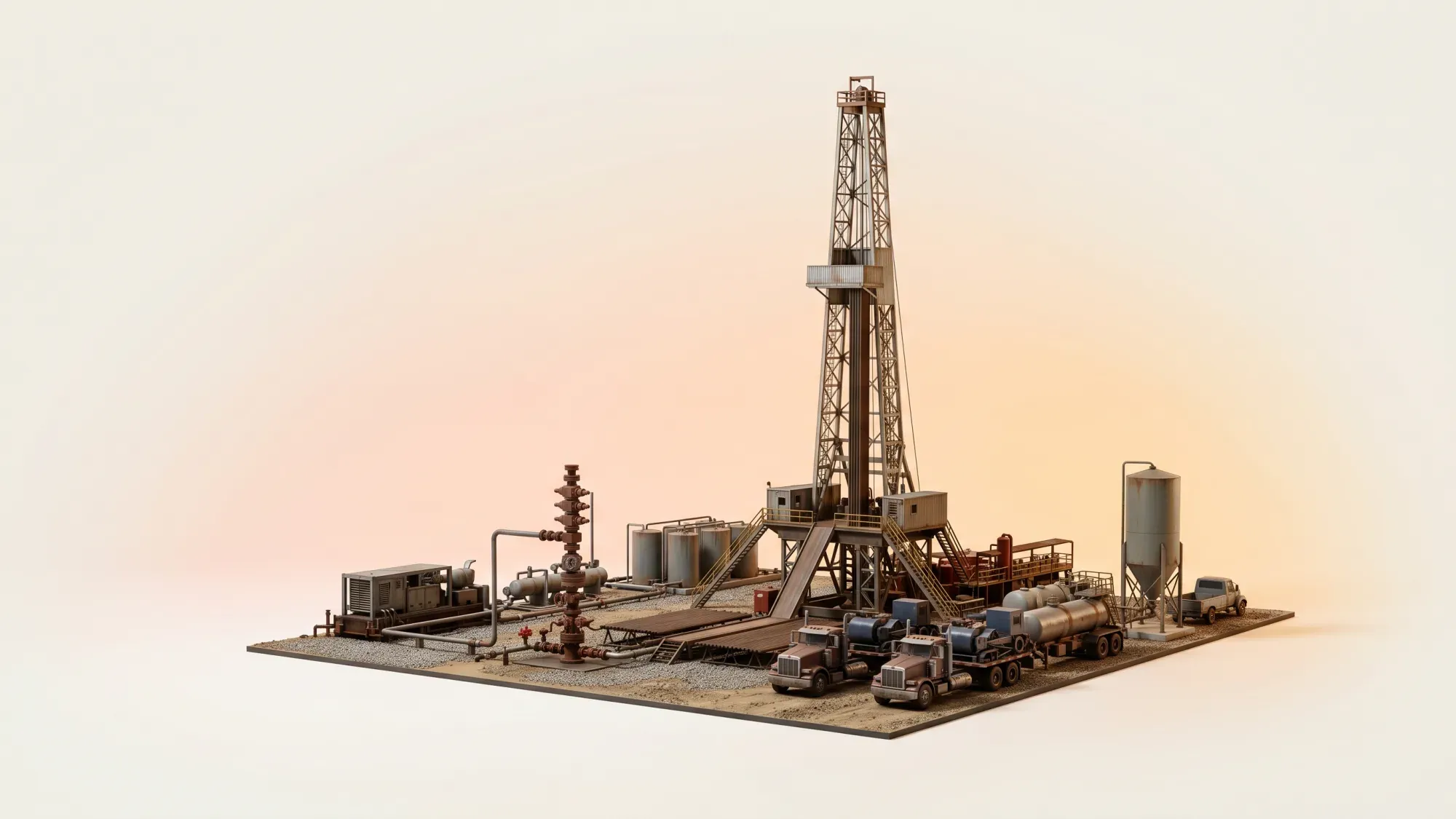
Fracking, or hydraulic fracturing, is a contentious method for extracting natural gas and oil from deep rock formations. While it offers the promise of energy security, its environmental risks and the UK's complex regulatory landscape have led to repeated policy reversals and significant public opposition. This article explains the process, its impacts, and the current situation in the UK.
Understanding the complexities of energy sources like fracking highlights the importance of reliable, clean alternatives. At Fuse Energy, we're committed to providing abundant, clean energy for your home, making your energy supply straightforward and sustainable. Click here to see how easy it is to switch.
Enter your address to get a quote and see how much you could save
What is fracking?
Fracking involves injecting high-pressure fluid into shale rock to release trapped natural gas or oil. This process aims to create fissures in the rock, allowing hydrocarbons to flow more freely to the surface.
Defining hydraulic fracturing
Hydraulic fracturing is a method designed to extract hydrocarbons, primarily natural gas and oil, from impermeable rock formations, most notably shale. It requires drilling deep into the Earth, often extending both vertically and horizontally into the target rock. A high-pressure mixture of water, sand, and chemicals is then pumped into the well to create small cracks, or fissures, within the rock. These fissures are propped open by the sand, enabling the trapped gas or oil to flow out and be collected.
The fracking process step-by-step
The extraction of shale gas through hydraulic fracturing follows a distinct sequence:
- Well drilling: A well is drilled vertically, often to depths exceeding 1.5 kilometres, then horizontally, sometimes for several kilometres, into shale rock formations.
- Perforation: A perforating gun creates small holes in the well casing within the shale layer.
- Fluid injection: High-pressure fracking fluid, a mixture of water, sand, and chemicals, is injected into the well. This fluid creates new fractures and expands existing ones in the rock.
- Fissure propping: The sand in the fluid props open these newly created fissures, preventing them from closing.
- Hydrocarbon flow: Natural gas or oil, along with some flowback water, flows out of the fractured rock and is collected at the surface.
- Wastewater management: The wastewater is then treated or disposed of, and the well is eventually decommissioned.
Environmental impacts and concerns
The environmental implications of fracking have been a primary driver of public and political debate in the UK, leading to significant regulatory scrutiny.
Induced seismicity and earthquakes
One of the most significant concerns associated with fracking is induced seismicity, or small earthquakes. The injection of high-pressure fluid into rock formations can trigger seismic events, particularly if the fluid encounters pre-stressed geological faults. This was a primary concern leading to the UK's fracking moratorium. The Oil and Gas Authority (OGA) concluded in 2019 that it was not possible to accurately predict the probability or magnitude of tremors caused by the practice, and that larger events could not be excluded.
Water contamination and usage
Fracking operations require substantial amounts of water. Around 10 to 30 million litres of water can be needed for a single fracking well. This water, mixed with chemicals, is injected underground. Concerns exist regarding the potential for groundwater contamination from fracking fluids or flowback water, particularly due to poor well design, construction, or the migration of contaminants along natural pathways into aquifers. The wastewater, known as 'flowback', needs to be properly treated and isolated from surrounding aquifers.
Air quality and greenhouse gas emissions
The process of shale gas extraction can also impact air quality and contribute to greenhouse gas emissions. Concerns include emissions of carbon dioxide (CO2), methane (CH4), and other greenhouse gases, particularly 'fugitive' emissions of methane that can escape to the atmosphere. Additionally, increased truck movements associated with fracking sites can lead to negative effects on local air quality and noise pollution.
Land use and biodiversity
Fracking operations require significant land for drilling pads, access roads, and associated infrastructure. This can lead to concerns about habitat fragmentation, disruption to local ecosystems, and the overall impact on biodiversity. The visual impact of industrial sites in rural areas also often raises objections from local communities.
Economic arguments and realities
The economic case for fracking in the UK has been debated extensively, balancing potential benefits against the costs and complexities of extraction.
Energy security and supply
Proponents of fracking often highlight its potential to enhance national energy security by reducing reliance on imported gas. The British Geological Survey (BGS) estimated in 2013 that the Bowland Shale in northern England alone contained a central estimate of 1,329 trillion cubic feet (Tcf) of gas in place. However, this figure represents the total gas in the ground, not how much is technically or economically recoverable. Estimates for recoverable gas are significantly lower and highly uncertain, with some industry estimates suggesting around 10% recoverability, while other studies indicate it could be much less. The UK's geology is considerably more complex than in North America, making extraction more challenging and costly.
Job creation and local benefits
The industry has argued that fracking could create jobs and bring economic benefits to local communities through investment and supply chain opportunities. However, the scale of these benefits in the UK context has been questioned, particularly given the technical challenges and public opposition.
Cost of extraction versus market prices
The high costs associated with extracting shale gas in the UK, due to its complex geology and stringent regulatory requirements, have made it difficult for fracking to compete economically with other energy sources. This has led to questions about its commercial viability and its ability to significantly impact consumer energy prices.
The legal and regulatory landscape in the UK
The legal status of fracking in the UK has been characterised by policy shifts and strong regulatory oversight, reflecting ongoing public and political debate.
History of fracking in the UK
Public interest in high-volume hydraulic fracturing in the UK began around 2008. The Infrastructure Act 2015 established a regulatory framework for onshore oil and gas, including provisions for accessing deep-level land for exploitation and requirements for seismic monitoring. Early operations, such as Cuadrilla's Preese Hall-1 wellbore in Lancashire in 2011, were halted due to seismic activity.
The 2019 moratorium and policy reversals
On 2 November 2019, the UK government imposed a moratorium on fracking in England, effectively halting all hydraulic fracturing operations. This decision was based on new scientific analysis from the OGA, which found it was not possible to accurately predict the probability or magnitude of earthquakes linked to fracking. The government stated it would maintain a presumption against issuing any further Hydraulic Fracturing Consents "until compelling new evidence is provided". While the moratorium was briefly lifted in September 2022 by Liz Truss, it was quickly reinstated in October 2022 by Rishi Sunak. Scotland and Wales also have moratoria in place against hydraulic fracturing.
Current status and future prospects
For any shale gas exploration or extraction activities, planning permission and environmental permits are required. The industry is regulated by several bodies, including the North Sea Transition Authority (formerly the OGA), the Environment Agency, and the Health and Safety Executive. These regulators work together to ensure environmental protection, on-site safety, and the mitigation of seismic activity.
Public opinion and opposition
Public sentiment has played a crucial role in shaping the policy landscape for fracking in the UK, with consistent opposition.
Community concerns and protests
Public opposition to fracking in the UK has been consistently high. A government survey conducted in spring 2023 found that 40% of those questioned opposed fracking, while only 18% supported it. This opposition has been driven by concerns over environmental impacts, particularly seismic activity and water contamination, as well as the industrialisation of rural landscapes. Local communities have frequently organised protests and campaigns against proposed fracking sites.
The role of advocacy groups
Environmental and community advocacy groups have been instrumental in raising awareness about the potential risks of fracking and mobilising public opposition. Their efforts have contributed significantly to the pressure on policymakers, influencing the repeated moratoria and policy reversals seen in the UK.
Beyond fracking: the path to abundant, clean energy
The challenges and controversies surrounding fracking underscore the urgent need for sustainable energy solutions that avoid environmental compromise and public contention.
Challenging the scarcity story
The debate around fracking often arises from an outdated belief in energy scarcity, where difficult and environmentally compromising extraction methods are seen as necessary to meet demand. This "scarcity story" has shaped energy discussions for decades. Fuse Energy challenges this narrative, believing that a future with abundant, clean energy is not just possible, but essential.
The benefits of renewable energy for the UK
Renewable energy sources, such as wind and solar, offer a path to energy security without the environmental and social trade-offs associated with fossil fuel extraction like fracking. They provide a reliable and increasingly cost-effective way to power homes, contributing to a cleaner, more sustainable energy system. Investing in renewables means harnessing the UK's natural resources without the risks of induced seismicity or water contamination.
Building a future with power to play with
Fuse Energy envisions a future where energy is so abundant it ceases to be a constant concern. By focusing on delivering the cheapest, cleanest energy possible through renewable generation, Fuse aims to make contentious fossil fuel extraction methods unnecessary for energy security. This approach offers a clear alternative to the energy dilemmas posed by fracking, providing a path to energy abundance without environmental compromise.
Managing your home's energy should be simple and transparent. Fuse Energy offers clear pricing, real-time usage data through our app, and 24/7 human customer support to help you take control of your energy bills. Switching to Fuse is quick and easy, allowing you to join the movement towards a future with abundant, clean energy. Click here to switch to Fuse Energy today. You can also learn more about our mission to transform the energy landscape by clicking here.
Disclaimer
For the avoidance of doubt, this article is provided for informational purposes only and is not intended to constitute legal or financial advice. The author and/or Fuse Energy shall not be responsible for any losses arising out of any reliance on the information contained herein.