Electric vehicles and home energy integration
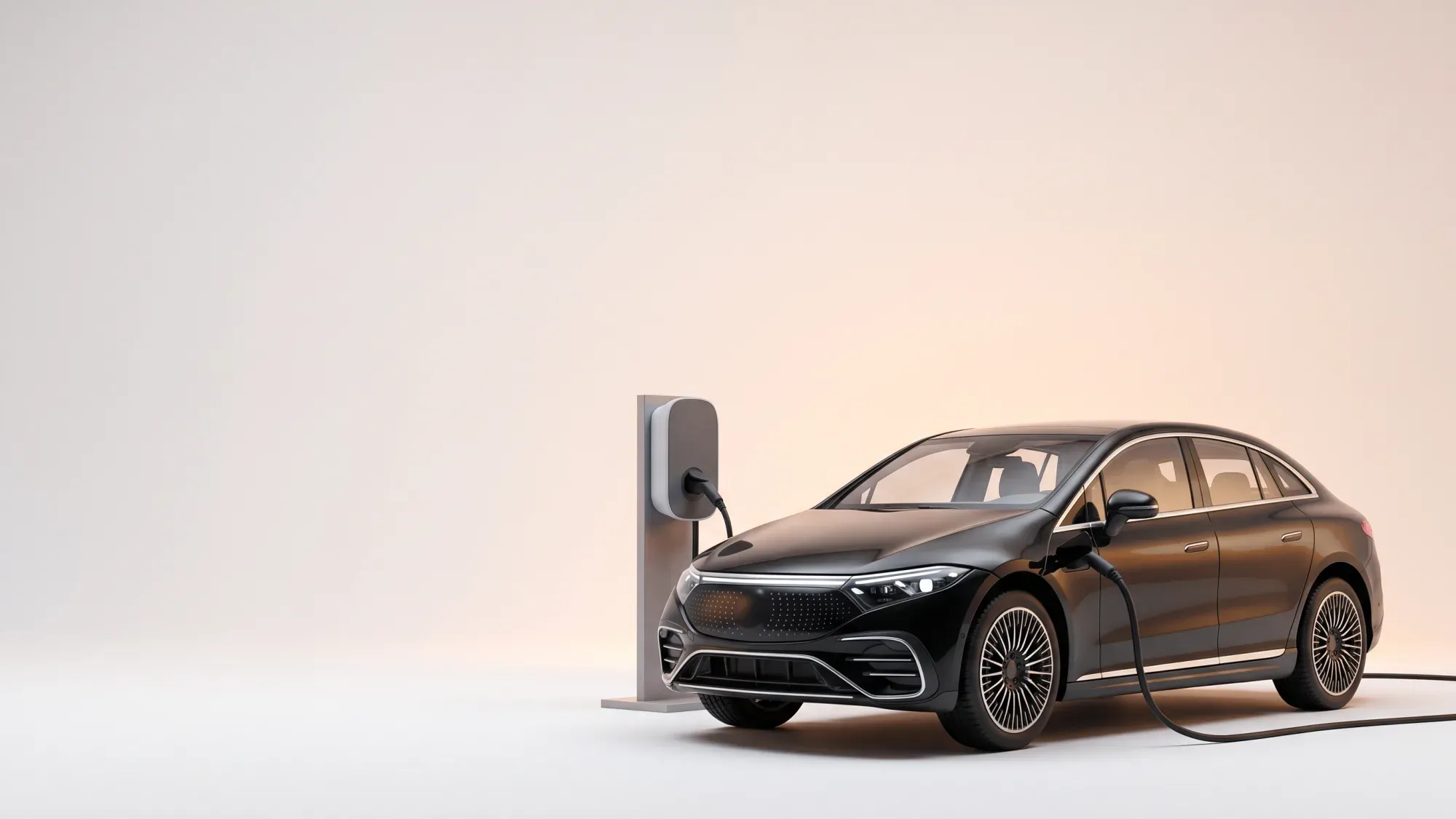
Integrating an electric vehicle (EV) into your home energy system offers greater control over energy consumption and costs. This transforms your EV from just transport into a central component of a modern, efficient household.
Discover how integrating your electric vehicle with your home energy can simplify your life and reduce costs. Fuse Energy provides smart solutions and seamless EV charger installation to help you take control. Click here to get started.
Enter your address to get a quote and see how much you could save
The rise of electric vehicles
Electric vehicles are rapidly becoming more than just a way to get from A to B; they are evolving into key assets within the broader home energy ecosystem. This integration allows homeowners to manage their energy use with unprecedented flexibility.
Why EVs are more than just transport
For many households, an EV represents a significant investment and a step towards a more sustainable lifestyle. Beyond reducing tailpipe emissions, an EV's large battery can act as a flexible energy storage unit, interacting with the home's electricity supply. This capability transforms the vehicle from a passive consumer of energy into an active participant in home energy management.
The shift towards integrated home energy
The vision for EVs and home energy integration is to move away from managing energy scarcity towards embracing energy abundance. By connecting an EV with smart home energy systems, homeowners can optimise when and how they power their vehicle, leveraging cheaper off-peak electricity rates and supporting grid stability. This integration puts control and capability directly into the hands of the homeowner, making energy work for them.
Benefits of integrating your EV with home energy
Connecting your electric vehicle with your home's energy system brings a range of advantages, from reducing running costs to increasing your energy independence and contributing to a greener environment.
Cost savings through smart charging
One of the most immediate benefits of integrating your EV with home energy is the potential for significant cost savings. Smart charging solutions allow you to schedule your EV to charge during off-peak hours when electricity tariffs are typically lower. This can drastically reduce your charging costs compared to charging at peak times. Smart meters are crucial for this, as they enable automated readings and eligibility for smart-meter-dependent tariff features, ensuring you are billed accurately for your usage.
Enhanced energy independence and control
Integrating your EV with home energy management tools, especially when combined with assets like solar panels or battery storage, offers greater energy independence. You gain more control over your energy consumption and can actively participate in managing your household's energy flow. This approach shifts the focus from worrying about energy costs to optimising usage and experiencing a sense of energy abundance.
Environmental advantages
Beyond personal financial benefits, integrating EVs with home energy contributes to broader environmental goals. By optimising charging times, you can often draw electricity when renewable energy generation is high, reducing reliance on fossil fuels. This helps lower your household's carbon footprint and supports the UK's transition to a cleaner, more sustainable energy grid.
Home EV charging solutions and installation
Setting up home charging for your EV involves choosing the right equipment, understanding installation requirements, and navigating available government grants.
Choosing the right electric car charger for your home
Selecting an EV charger for your home depends on your vehicle's charging capabilities, your daily driving needs, and your home's electrical capacity. Most UK homes have a single-phase electrical supply, which typically supports chargers up to 7.4 kW. This charging speed is generally sufficient for overnight charging, allowing a typical EV battery to be fully recharged in 6 to 9 hours. Key features to look for include smart charging capabilities, integrated safety features like PEN fault protection, and connectivity options like Wi-Fi or 4G.
Understanding EV charger installation requirements
Professional installation is required for home EV chargers. Your installer will assess your home's electrical supply and ensure compliance with UK electrical regulations. A crucial step involves notifying your Distribution Network Operator (DNO) of the installation. DNOs are responsible for ensuring the local electricity network can safely accommodate the increased demand from EV chargers. Depending on your property's electrical capacity and the charger's power rating, this might involve notifying the DNO after installation or, in some cases, requiring pre-approval.
Navigating government grants for chargepoints
The landscape of government grants for EV chargepoint installation in the UK has evolved. The Electric Vehicle Homecharge Scheme (EVHS) for owner-occupiers in houses with off-street parking has been discontinued. However, the EV Chargepoint Grant for renters and flat owners offers a significant incentive, providing up to £500 towards the cost of installing a chargepoint at the property. To be eligible, you must own and live in a flat, or rent any residential property, and have private off-street parking. This grant is available until 31 March 2027. It is important to note that for all current domestic OZEV chargepoint grants, the customer applies for the grant themselves; the installer does not apply on their behalf. Homeowners of detached or semi-detached houses are generally no longer eligible for OZEV home charging grants.
Smart charging and optimising your energy use
Smart charging is key to maximising the benefits of an EV, allowing you to integrate it seamlessly into your home's energy strategy.
How smart charging works with your electric vehicle
Smart charging involves using technology to control when and how your EV charges. Instead of simply plugging in and drawing power immediately, smart chargers can communicate with your energy supplier and even other smart home devices. This allows them to automatically adjust charging times to periods when electricity demand is low, or when renewable energy generation is high. Smart meters are fundamental to this process, providing the accurate, real-time data needed for effective energy management and avoiding estimated bills.
Leveraging smart tariffs for cheaper EV charging
Smart tariffs are specifically designed to reward flexible energy consumption. They offer lower electricity rates during off-peak hours, typically overnight, which aligns perfectly with EV charging habits. By scheduling your EV to charge during these cheaper windows, you can significantly reduce your running costs. Smart meters enable access to these tariffs, allowing you to take advantage of variable pricing and potentially even get paid for using electricity at certain times, such as during periods of high wind generation.
Integrating with solar panels and home battery storage
For homeowners with solar panels or home battery storage, integrating an EV takes energy optimisation to the next level. You can charge your EV using surplus solar power generated during the day, further reducing your reliance on grid electricity and lowering costs. A home battery can store this excess solar energy or charge from the grid during cheap off-peak periods, then discharge it to power your home or EV when rates are higher. This creates a highly efficient, interconnected home energy system.
Fuse Energy: your partner for EV home integration
Fuse Energy is committed to helping homeowners unlock the full potential of their electric vehicles by integrating them into smart home energy systems.
Seamless EV charger installation with Fuse
Fuse facilitates easy installation of the Easee One EV charger, simplifying the process for homeowners to upgrade their energy infrastructure. The Easee One is a 7.4 kW charger with a 3-year warranty, designed for efficient home charging. Fuse offers this charger, including installation, for a base cost of £899, which typically covers up to 15m of cabling and surge protection.
Unlocking abundant power with Fuse's smart energy solutions
Choosing Fuse for EV charging and home energy management shifts control and advantage into your hands. Fuse's smart tariffs and integrated solutions are designed to provide cost-effective and clean energy for EV charging, optimising usage for both you and the grid. This approach delivers abundant, clean energy, allowing you to experience a future where energy is not a concern.
24/7 human support for EV owners
Navigating the complexities of EV charging and home energy integration can be daunting. Fuse offers round-the-clock human customer support to guide homeowners through every step, ensuring peace of mind. This dedicated support means you always have expert assistance available to help you maximise your energy savings and efficiency.
Future-proofing your home with electric vehicles
As technology advances, integrating your EV with your home energy system will offer even more opportunities for efficiency and control.
Preparing for vehicle-to-grid (V2G) technology
Vehicle-to-grid (V2G) technology is an emerging capability that allows your EV to not only draw power from the grid but also feed electricity back into it. This means your EV could become a mobile power station, supporting the wider network during peak demand or even powering your home during outages. While V2G deployment in the UK is still in its early stages, it holds significant potential for enhancing grid stability and offering financial benefits to EV owners.
The long-term impact on your energy bills and carbon footprint
By embracing integrated EV and home energy solutions, you are future-proofing your home against rising energy costs and contributing to a sustainable future. The ability to optimise charging, leverage smart tariffs, and potentially participate in V2G schemes will lead to long-term savings on your energy bills and a substantial reduction in your household's carbon footprint. The average UK home uses around 2,500 kWh of electricity per year, and managing your EV's energy consumption smartly can significantly impact this figure.
Ready to take control of your home energy and EV charging? Fuse Energy makes it simple to switch to smarter, more sustainable energy. With clear pricing, real-time usage data, and 24/7 human support, you will have everything you need to optimise your energy use. Click here to switch to Fuse Energy today and start your journey towards energy abundance. You can also find out more about our mission to build a future with power to play with here.
Disclaimer
For the avoidance of doubt, this article is provided for informational purposes only and is not intended to constitute legal or financial advice. The author and/or Fuse Energy shall not be responsible for any losses arising out of any reliance on the information contained herein.