Energy supplier Norfolk: regional price cap explained
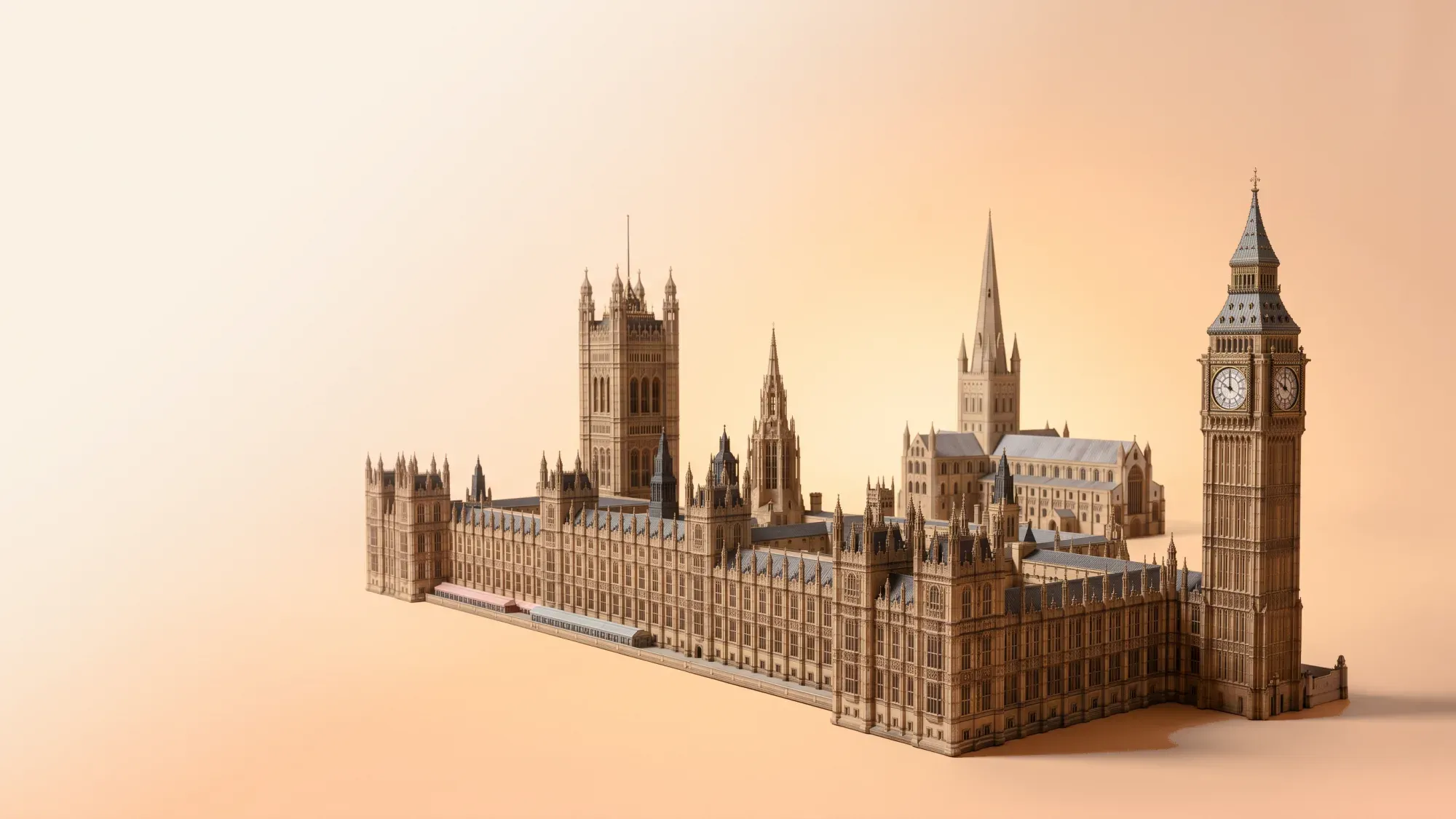
Norfolk, with its distinctive blend of expansive coastline, tranquil Broads, and historic market towns, presents a unique energy landscape for its residents. From the charming Victorian terraces of Norwich to the rural homes scattered across the county, understanding your energy options is crucial. Fuse Energy offers a modern approach to energy, reflecting the regional price cap variations in Eastern England.
Take the stress out of managing your energy. With Fuse Energy, you get clear pricing, real-time usage data, 24/7 human customer support, and a modern energy experience designed around you. Signing up takes just a few minutes, so you can take control of your bills from day one. Click here to switch to Fuse Energy today.
Enter your address to get a quote and see how much you could save
Understanding Norfolk's energy landscape
Navigating the energy market can feel complex, but understanding the local specifics in Norfolk makes it much clearer. Your energy experience is shaped by regional factors, from how prices are set to who manages the physical infrastructure.
Norfolk's regional price cap explained
Energy prices in Great Britain are regulated by Ofgem, which sets a price cap updated quarterly. For Norfolk residents, this means your unit rates and daily standing charges fall under the "Eastern England" electricity distribution region's cap. This regional variation means prices can differ from other parts of the country, reflecting the costs of delivering energy to your specific area. The price cap is typically reviewed and updated on 1 January, 1 April, 1 July, and 1 October each year.
Your local distribution network operator: UK Power Networks
While your energy supplier sends you bills and handles your account, a separate company manages the physical electricity network in your area. For Norfolk, the local Distribution Network Operator (DNO) is UK Power Networks. They are responsible for maintaining the power lines, cables, and substations that bring electricity to your home. If you experience a power cut in Norfolk, you should dial the free national number 105, which routes directly to Your DNO, regardless of who your energy supplier is. You can also find your network operator using the Energy Networks Association's online tool.
What is a DNO?
A DNO owns and operates the local electricity network, including power lines, cables, and substations. They are responsible for delivering electricity to homes and restoring power during outages. Your DNO is distinct from your energy supplier, who sells you the electricity and manages your account.
Energy options for Norfolk homes
Norfolk homes have various energy options, primarily electricity and gas, though some rural properties may rely on alternative heating sources. The average UK home uses around 2,500 kWh of electricity per year^[1,2], a figure that can help you gauge your own consumption when comparing tariffs. Understanding whether you have a smart meter or a traditional meter also influences your available tariff options, with smart meters often enabling access to more dynamic pricing plans.
How to choose an energy supplier in Norfolk
Choosing an energy supplier in Norfolk involves more than just looking at the headline price. A considered approach can lead to better value and a more positive experience.
Comparing tariffs and contract types
When comparing energy suppliers, focus on the unit rates (pence per kWh) and the daily standing charge, as these make up the bulk of your bill. You'll typically find two main contract types: fixed-rate tariffs, where your unit rates and standing charges remain constant for a set period, usually between 12 and 18 months. Variable-rate tariffs, on the other hand, can change with the market and do not have a fixed end date. Always check for any exit fees associated with fixed-rate contracts if you need to switch early. Understanding your household's annual energy usage is key to accurately comparing costs across different tariffs.
Beyond price: customer service and support
While price is a significant factor, the quality of customer service can greatly impact your energy experience. Look for suppliers with a strong reputation for support, especially when issues arise. Fuse Energy, for example, provides 24/7 human customer support, offering peace of mind that help is always available. Checking independent reviews and customer satisfaction scores can provide valuable insights into a supplier's service levels.
Considering clean energy options
Many suppliers now offer tariffs that source electricity from renewable generation. If reducing your carbon footprint is important, look for tariffs that explicitly state their clean energy mix. Fuse Energy is committed to building a future with abundant, clean energy, and you can explore our projects and fuel mix on our website. Understanding a supplier's approach to clean energy can help you align your choice with your environmental preferences.
Switching energy suppliers in Norfolk: a step-by-step guide
Switching energy suppliers is a straightforward process designed to be quick and hassle-free^[3,4], allowing Norfolk residents to take control of their energy costs.
Gathering your current energy information
Before you start, gather details about your current energy supply. You'll need:
- Your current supplier's name.
- Your current tariff name and, if applicable, contract end date (for fixed-rate tariffs).
- Your annual energy consumption (in kWh) for both electricity and gas, usually found on your bill or online account.
- Your Meter Point Administration Number (MPAN) for electricity and Meter Point Reference Number (MPRN) for gas - these unique numbers identify your supply points.
- A recent meter reading.
Using comparison tools effectively
Online comparison tools can help you find deals tailored to your usage and location. Enter your Norfolk postcode and energy consumption figures to get accurate quotes. While these tools are useful, it's also worth checking suppliers' websites directly, as they sometimes offer exclusive tariffs not listed elsewhere. Focus on the total estimated annual cost, not just the unit rates, to get a clear picture. For more details on how tariffs are structured, you might find our article on agile pricing helpful.
The switching process simplified
Once you've chosen a new supplier, the switching process typically follows these steps:
- Initiate the switch: Your new supplier will handle most of the paperwork. You'll provide them with your details, and they will contact your old supplier.
- Cooling-off period: You usually have a 14-day cooling-off period during which you can cancel the switch without penalty. This period runs in parallel with the switch itself.
- Final meter readings: You'll be asked to provide a final meter reading on the day of the switch. If you have a smart meter, this can often be done automatically. This ensures accurate final billing from your old supplier.
- Welcome to your new supplier: The switch usually takes up to 5 working days, and you won't experience any interruption to your energy supply. Your new supplier will then send you your first bill. Understanding your air fryer annual energy bill or other appliance costs can help you track your usage with your new supplier.
Support for energy costs in Norfolk
Managing energy costs is a priority for many households. Fortunately, there are several schemes and tools available to help Norfolk residents.
Government schemes for England
Eligible households in England can access various government support schemes designed to help with energy bills and improve home efficiency. These include:
- Warm Home Discount scheme: This provides a one-off discount of £150 on your electricity bill between October and March. Eligibility usually depends on receiving certain benefits or being on a low income5.
- ECO4 (Energy Company Obligation): This scheme requires larger energy suppliers to help low-income and vulnerable households with energy-saving measures, such as insulation, heating upgrades, and renewables. The ECO4 scheme runs until 2026.
- Great British Insulation Scheme: This scheme, which launched in April 2023, aimed to help people insulate their homes to reduce energy bills. It provided free or discounted insulation to eligible households. The GOV.UK referral service for the scheme closed on 31 March 2026, with all installations needing to be completed by this date.
These initiatives can significantly reduce your energy burden, so it's worth checking your eligibility.
Managing your energy usage with smart tools
Modern energy management tools, such as smart meters and dedicated energy apps, empower you to understand and control your energy usage more effectively. A smart meter provides accurate, real-time data on your consumption, eliminating estimated bills. Paired with an all-in-one app, like the one offered by Fuse Energy, you can gain clear insights into your energy patterns, helping you identify areas for potential savings. This focus on transparency and control offers a modern energy experience focused on empowerment.
Managing your energy bills should be clear and easy to understand. Fuse Energy focuses on straightforward pricing, so you can see exactly what you're paying without unnecessary complexity. If you have a smart meter, you can view detailed usage data through the app or website, helping you understand how you can lower your bills. If you don't have a smart meter, Fuse Energy can upgrade your non-smart meter, completely for free. This can make it easier to track spending and make informed decisions about your energy use. Our 24/7 human support team is always on hand with fast response times of under 5 minutes whenever you need help. Click here to switch to Fuse Energy today. Find out about our mission by clicking here.
References
- OVO Energy. Average electricity usage in the UK: how many kWh does your home use?.
- British Gas. What is the average energy bill in the UK?.
- Ofgem. Get compensation for problems switching energy suppliers.
- Ofgem. Switch energy supplier.
- UK Government. Warm Home Discount Scheme.
Disclaimer
For the avoidance of doubt, this article is provided for informational purposes only and is not intended to constitute legal or financial advice. The author and/or Fuse Energy shall not be responsible for any losses arising out of any reliance on the information contained herein.