Energy supplier Derby explained
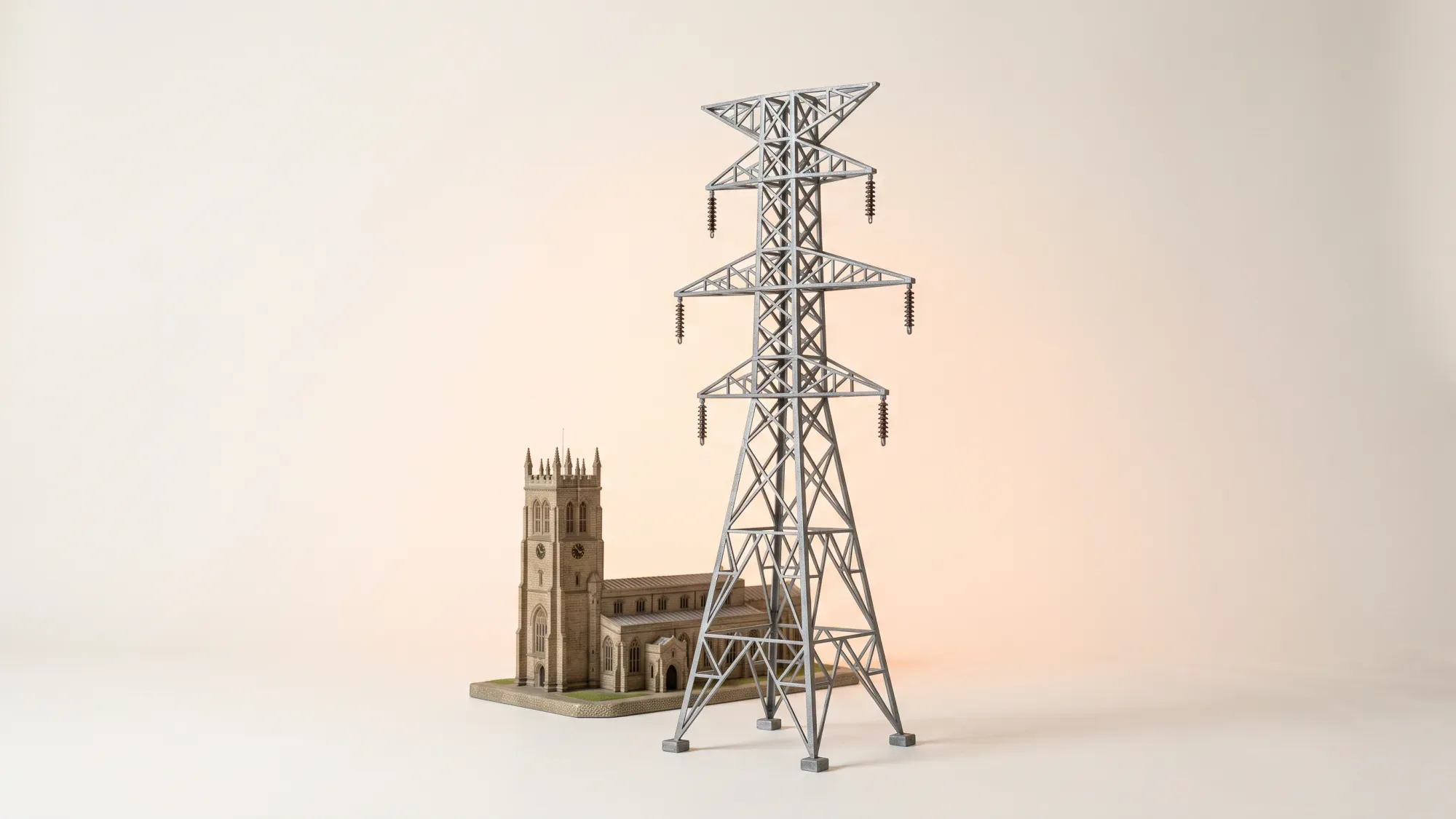
Derby, an inland city in the East Midlands, blends its industrial past with modern living, from Victorian terraces to new-build estates. This unique character shapes local energy needs, with colder winters and warmer summers influencing heating and cooling demands. For residents, understanding the specific regional factors that affect energy costs and supply is key to securing a better deal and ensuring comfort in their homes.
For Derby residents looking to take control of their energy bills, switching to a modern supplier like Fuse Energy can offer clear pricing and smart usage insights. Click here to switch to Fuse Energy today.
Enter your address to get a quote and see how much you could save
Derby's unique energy landscape
Understanding how Derby's location and infrastructure affect your energy supply is the first step to making informed choices. Local factors directly influence everything from your unit rates to who to call in a power cut.
Understanding your local energy needs
Derby's housing stock, ranging from older, less insulated properties to modern, energy-efficient homes, means energy consumption varies significantly across the city. Inland locations like Derby typically experience more pronounced seasonal temperature swings than coastal areas, leading to higher heating demand in winter and increased cooling needs in summer. Knowing your home's specific energy profile - how much electricity and gas you use, and when - is crucial for finding a tariff that genuinely saves you money.
East Midlands price cap region
Your energy bills are directly influenced by where you live. Derby is located within the East Midlands electricity distribution region, which means the unit rates and daily standing charges you pay are subject to Ofgem's energy price cap specific to this area. This cap is updated quarterly on 1 January, 1 April, 1 July, and 1 October, reflecting changes in wholesale energy costs and other industry expenses. What you pay in Derby can differ from what someone pays in a different region, even for the same supplier and tariff.
Your local distribution network Operator
The company responsible for the physical infrastructure that delivers electricity to your Derby home - the pylons, cables, and substations - is your Distribution Network Operator (DNO). For Derby, the local DNO is National Grid Electricity Distribution. They are responsible for maintaining the network and restoring power during outages. In the event of a power cut, Derby residents should dial the free national number 105, which routes directly to their local DNO. This number is for power cuts only, not for billing or supplier queries.
How to compare energy suppliers in Derby
Comparing energy suppliers can feel daunting, but focusing on key factors and understanding what to look for makes the process straightforward. It is not just about the cheapest price; service quality and environmental credentials also play a role.
Key factors when choosing a supplier
When comparing energy suppliers in Derby, consider more than just the headline price. Look at the unit rate (pence per kWh) and the daily standing charge, as these form the bulk of your bill. Understand the contract length and whether there are exit fees if you decide to switch again before the term ends. Fixed tariffs lock in your rates for a set period, offering predictability, while variable tariffs can change with the market, potentially offering savings or costing more depending on market fluctuations.
Finding the best deals for your home
To find the best energy deals, you will need your current energy usage data, typically found on a recent bill. Comparison websites can quickly show you available tariffs from various suppliers in the Derby area. Inputting your postcode and estimated annual usage allows these tools to present personalised quotes. Remember that the "cheapest" option might not always be the best fit if it comes with poor customer service or doesn't align with your values.
What is the average electricity usage for a UK home?
The average UK home uses around 2,700 kWh of electricity per year, which translates to roughly 7.5 kWh per day. This figure, based on median consumption data, serves as a useful baseline for comparing tariffs and understanding your household's energy demand against typical usage.
Beyond price: customer service and green credentials
Many Derby residents prioritise green energy. Check a supplier's fuel mix to see their commitment to renewable sources. While some suppliers market 100% renewable electricity tariffs, it is worth understanding how these are backed, often through Renewable Energy Guarantee of Origin (REGO) certificates, which may not always directly lead to new renewable generation.
The switching process: step-by-step for Derby residents
Switching energy suppliers is designed to be a smooth, hassle-free process, typically completed within up to 5 working days. The industry regulator, Ofgem, has streamlined the process to protect consumers and encourage competition.
Gathering your current energy information
Before you start, collect your current energy details: your latest bill, which shows your annual consumption, current tariff name, and contract end date. You will also need your address and bank details for setting up a new Direct Debit. Having this information ready makes the comparison and switching process much quicker.
Initiating the switch
Once you have chosen a new supplier, they will handle almost everything. You simply provide them with your details, and they will contact your old supplier to arrange the transfer. There is a 14-day cooling-off period during which you can change your mind without penalty. This period runs from your switch-in date. Your new supplier will confirm your switch date. If your switch is delayed beyond 5 working days due to your new supplier's fault, you may be entitled to £40 compensation.
What happens after you switch?
On your switch date, your new supplier will arrange for a meter reading. If you have a smart meter, your new supplier will connect to it and automatically take readings. If you have a manual meter, you should submit readings via your new supplier's app or website within 5 days to ensure accurate billing. This ensures an accurate final bill from your old supplier and correct initial billing from your new one. Your energy supply will not be interrupted during the switch; it is an administrative change, not a physical one. You will receive a final bill from your old supplier and your first bill from your new one shortly after.
Saving money on your energy bills in Derby
Managing energy costs effectively means understanding your usage, leveraging technology, and knowing what support is available. Derby residents have several avenues to explore for reducing their energy expenditure.
Understanding your tariff and usage
Regularly reviewing your energy bills and understanding your consumption patterns can highlight areas for savings. Are you on a fixed tariff that is about to expire, potentially rolling onto a more expensive variable rate? Do you use more energy during peak hours if you are on a time-of-use tariff? Small adjustments to habits, informed by your usage data, can make a difference. You can also analyse the impact of specific appliances on your energy consumption, such as an air fryer's annual energy bill.
Smart meters and usage insights
Smart meters provide accurate, real-time energy usage data, eliminating estimated bills and offering a clearer picture of your consumption. Many modern energy suppliers offer intuitive apps that connect to your smart meter, providing detailed insights into how and when you use energy. This transparency empowers you to make informed decisions about your energy habits and identify potential savings.
Government support and grants for England
Several Government-backed schemes are available in England to help households manage energy costs and improve home efficiency. The GB-wide Warm Home Discount provides a £150 discount on electricity bills for eligible low-income households or those receiving Pension Credit. Other energy efficiency schemes, such as ECO4 and the Great British Insulation Scheme, offer grants for home improvements like insulation, which can significantly reduce long-term energy use and costs. Eligibility criteria apply for these programmes1, and residents can check the UK Government website for details.
Addressing common concerns about switching
Switching energy suppliers is a common practice, but some concerns can hold people back. Understanding the realities of the process can provide peace of mind.
Will my energy supply be interrupted?
No, your energy supply will not be interrupted when you switch suppliers. The electricity and gas continue to flow through the same pipes and wires. Switching is an administrative process that changes who bills you, not how your energy is delivered.
What if i change my mind?
You have a 14-day cooling-off period after agreeing to a new energy contract. During this time, you can cancel your switch without any penalty. This period runs from your switch-in date. If you decide to cancel, simply contact your new supplier within this period.
Dealing with debt when switching
If you owe money to your current supplier, you might still be able to switch. If the debt is less than 28 days old, your old supplier cannot object to the switch. If it is older, you may need to pay it off before switching, or your old supplier might object to the switch. If you have a prepayment meter and owe up to £500 per fuel (electricity or gas), you can switch, and the new supplier may agree to take on the debt.
Why choose a modern energy supplier for your Derby home?
The energy landscape is evolving, and modern suppliers are challenging old norms, offering more than just gas and electricity. For Derby residents, this means new opportunities for control, transparency, and a fresh perspective on energy use.
The shift from scarcity to abundance
For too long, the energy narrative has focused on scarcity and the need to "use less." Modern energy suppliers are shifting this mindset, empowering Derby residents with "power to play with" - abundant, clean energy that supports their lifestyle without guilt. This approach moves beyond rationing, focusing instead on capability and comfort in your home.
Transparent control through technology
Modern energy suppliers often provide intuitive apps that offer transparent insights and control over your energy usage and costs. For Derby residents, this means clear data on consumption, easy access to billing information, and the ability to manage your account from your smartphone. This level of control helps you understand your energy footprint and make smarter choices, such as exploring agile pricing options.
Human support when you need it
Navigating energy choices and switching processes can sometimes require a human touch. Modern suppliers distinguish themselves by offering reliable, human-centric support. Fuse Energy, for example, provides 24/7 human customer support, ensuring Derby residents always have someone to talk to when they need help or have questions about their energy supply.
Ready to take control of your energy in Derby? Fuse Energy offers clear pricing, smart usage insights, and 24/7 human customer support to help you manage your home's energy efficiently. Switching is quick and easy, designed to put you in charge. Click here to switch to Fuse Energy today and discover a simpler way to power your home. You can also learn more about our mission to build a sustainable energy future by clicking here.
References
- Citizens Advice. Grants and benefits to help you pay your energy bills
Disclaimer
For the avoidance of doubt, this article is provided for informational purposes only and is not intended to constitute legal or financial advice. The author and/or Fuse Energy shall not be responsible for any losses arising out of any reliance on the information contained herein.