Your energy supplier in Cambridgeshire
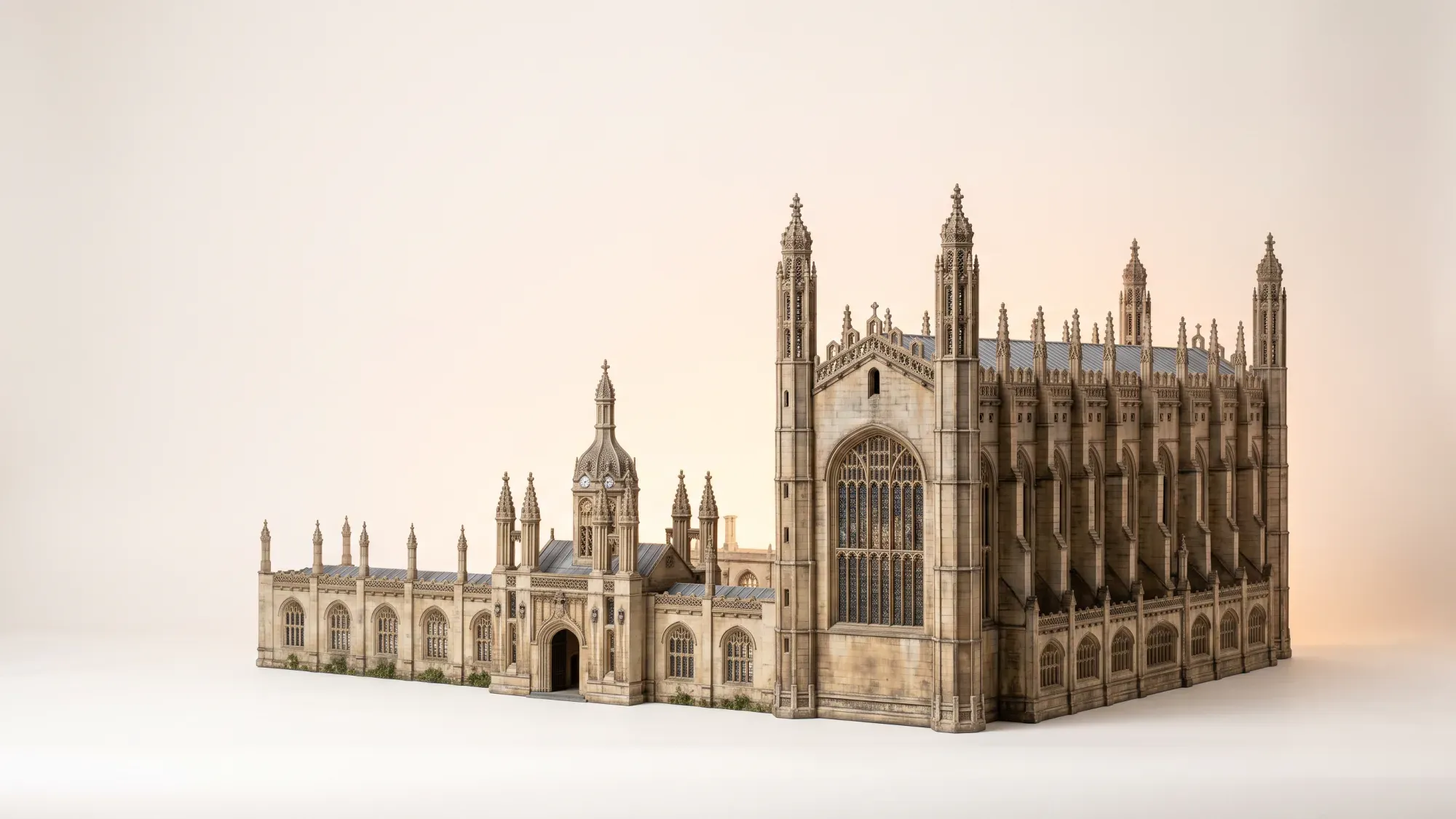
Cambridgeshire, with its unique mix of historic towns, academic centres, and rural villages, presents a varied energy landscape. From diverse housing types - including Victorian terraces, modern new-builds, and homes in off-gas-grid areas - to its distinct seasonal weather, understanding local factors is crucial for choosing the right home energy provider. This guide helps Cambridgeshire residents navigate their options for a reliable and cost-effective energy supplier.
For Cambridgeshire residents, managing your home's energy can be simpler. Fuse Energy offers clear pricing, real-time usage data, and 24/7 human customer support, making it easier to take control of your energy bills. Click here to switch to Fuse Energy today.
Enter your address to get a quote and see how much you could save
Understanding Cambridgeshire's energy landscape
The Cambridgeshire context
Cambridgeshire's diverse properties mean energy usage can vary significantly. Older homes may have higher heating demands, while newer, more energy-efficient builds benefit from lower consumption. The region experiences distinct seasonal weather, with often cold, rainy winters and mild, sometimes hot, summers, directly influencing heating and cooling requirements. These local characteristics emphasise the importance of choosing an energy supplier that offers transparent pricing and tools to manage your specific household needs effectively.
Regional pricing and distribution
Cambridgeshire falls within the "Eastern England" electricity distribution region for Ofgem's price cap1. This means that the unit rates and daily standing charges you pay for electricity and gas are specific to this region, differing from other parts of the UK. Ofgem updates the price cap quarterly - on 1 January, 1 April, 1 July, and 1 October - to reflect changes in wholesale energy costs and other industry charges.
The local distribution network operator (DNO) for Cambridgeshire is UK Power Networks. They are responsible for maintaining the electricity cables and infrastructure that bring power to your home. In the event of a power cut, residents should dial the free national number 105, which will automatically route them to their DNO for assistance.
Key considerations when choosing an energy supplier
When evaluating energy suppliers, Cambridgeshire residents should look beyond just the headline price.
Tariff types and pricing
- Fixed-rate tariffs: These offer price certainty, locking in your unit rates and standing charges for a set period, usually between 12 and 18 months. This can protect you from price rises but may come with exit fees if you leave early.
- Variable-rate tariffs: These tariffs, including the Standard Variable Tariff (SVT) which is subject to the Ofgem Price Cap, can see their unit rates and standing charges change quarterly. They offer flexibility with no exit fees.
- Unit rates and standing charges: Compare these carefully. The unit rate is what you pay per kilowatt-hour (kWh) of energy used, while the standing charge is a fixed daily fee, regardless of how much energy you consume. Understanding these components can help you make informed decisions about your energy usage, especially if you're interested in agile pricing models.
Customer service and support
Reliable customer service is paramount. Look for suppliers with accessible support channels and a reputation for resolving issues efficiently. Fuse Energy, for example, offers 24/7 human customer support, ensuring you can get help whenever needed.
Smart meter technology
Smart meters provide accurate, real-time data on your energy consumption, helping you understand and manage your usage more effectively. They also enable eligibility for certain tariffs, such as time-of-use tariffs, which can offer cheaper rates during off-peak hours. If you do not have a smart meter, Fuse can arrange a free upgrade after you switch in. Smart meters can also help you identify opportunities for energy bill savings.
Renewable energy options
Many suppliers now offer tariffs that source a percentage of their electricity from renewable sources. While Fuse Energy does not claim to be a 100% renewable supplier, its mission is to deliver the cheapest, cleanest energy possible, investing in projects like solar and wind to feed into the grid.
Local support and grants
Residents in Cambridgeshire, as part of England, may be eligible for various government support schemes designed to help with energy costs and improve home efficiency:
- Warm Home Discount: This scheme provides a one-off discount of £150 on your electricity bill to eligible low-income households in England, paid by 31 March each year.
- Energy Company Obligation (ECO4): This scheme requires larger energy suppliers to help households with energy-saving measures, such as insulation or boiler upgrades2. ECO4 runs until 31 December 2026.
- Great British Insulation Scheme: This scheme offered grants to help households improve their home's energy efficiency through measures like loft or cavity wall insulation, reducing heat loss and energy bills. It closed to new applicants in October 2025 and ended on 31 March 2026.
These schemes can significantly reduce your energy burden and improve your home's comfort.
Fuse Energy: a modern approach for Cambridgeshire homes
Fuse Energy is built on the belief that energy should be abundant, not a source of constant worry. We challenge the traditional "use less" narrative by focusing on providing you with "power to play with" - energy so readily available that it frees you to live fully without fear of the bill.
For Cambridgeshire residents, this means:
Transparency and control
Our all-in-one app puts you in control of your energy, offering clear insights into your usage and billing.
Dedicated support
Benefit from 24/7 human customer support, ensuring that help is always at hand, not just during office hours.
Smart technology integration
We embrace smart meter technology to help you optimise your energy use and access the best available tariffs. The average UK home uses around 2,700 kWh of electricity per year, and smart meters can help you track and manage this usage more effectively.
A future-focused vision
Fuse is committed to building a future where energy is so abundant it becomes invisible, allowing you to focus on what truly matters.
Switching to Fuse Energy in Cambridgeshire
Switching your energy supplier to Fuse Energy is designed to be a straightforward process. We handle the details, making the transition seamless.
The seamless switching process
You can initiate the switch to Fuse Energy through our app or website. We manage the communication with your previous supplier, ensuring a smooth transfer without interruption to your energy supply.
Important note on Radio Teleswitch Service (RTS) meters
Radio Teleswitch Service (RTS) meters are being phased out across the UK, with the signal being switched off from 30 June 20253. RTS meters are unsupported for switching to Fuse. Your current supplier is responsible for replacing your RTS meter with a smart meter, usually at no cost to you. Once your meter has been upgraded, you can then switch to Fuse Energy to benefit from modern energy management and our digital-first experience.
Conclusion
Choosing the right energy supplier in Cambridgeshire involves considering local factors, understanding tariff options, and prioritising excellent customer service and modern technology. Fuse Energy offers Cambridgeshire residents a fresh perspective on home energy, providing transparency, control, and dedicated support, all underpinned by a vision of energy abundance.
Ready to take control of your home energy in Cambridgeshire? Fuse Energy provides clear pricing, real-time usage data through our app, and 24/7 human customer support to help you manage your bills effectively. Our mission is to make energy abundant, freeing you from constant worry.
Click here to switch to Fuse Energy today and join us in building a future with power to play with. You can also learn more about our mission here.
References
Disclaimer
For the avoidance of doubt, this article is provided for informational purposes only and is not intended to constitute legal or financial advice. The author and/or Fuse Energy shall not be responsible for any losses arising out of any reliance on the information contained herein.