Energy efficient doors for your home
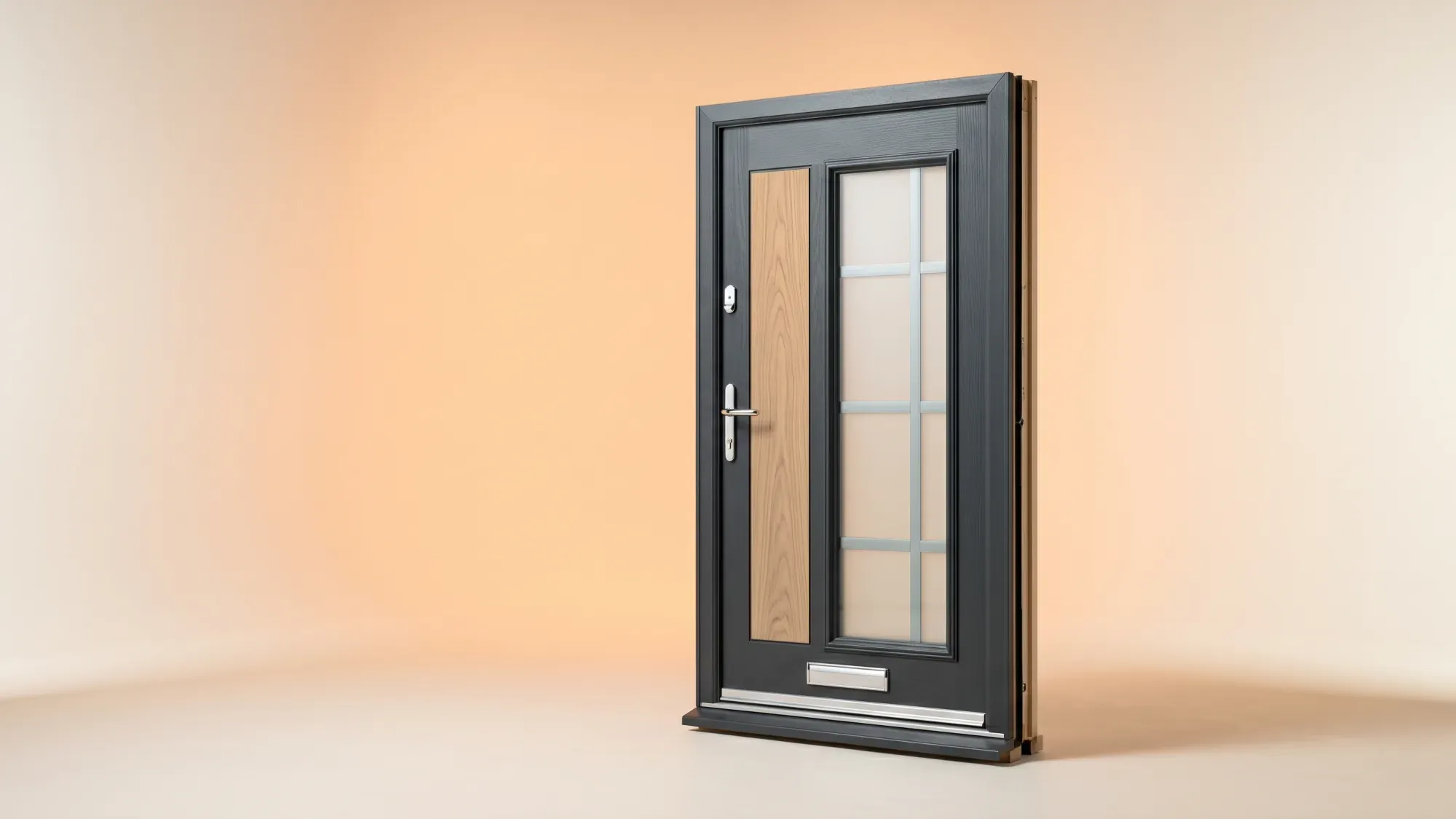
Upgrading your doors to energy efficient models can significantly reduce heat loss, leading to lower energy bills and a more comfortable home. Understanding the role of energy efficient doors is a crucial step for many homeowners looking to cut down on heating costs and improve their living spaces.
Upgrading to energy efficient doors can make a real difference to your home's comfort and energy bills. At Fuse Energy, we believe in helping you make your home more efficient, starting with understanding how you use energy.
Thinking about Energy efficient doors for your home? With Fuse Energy, you get clear pricing, real-time usage data, 24/7 human customer support, and a modern energy experience designed around you. Signing up takes just a few minutes, so you can take control of your bills from day one. Click here to switch to Fuse Energy today and start saving.
Enter your address to get a quote and see how much you could save
What makes a door energy efficient?
An energy efficient door is designed to minimise heat transfer between the inside and outside of your home. This keeps warmth in during winter and heat out during summer. This is achieved through a combination of advanced materials, construction techniques, and effective sealing.
Materials and insulation
The core material of a door plays a significant role in its thermal performance. Materials like composite, uPVC, and timber, especially when engineered with insulating cores, offer superior resistance to heat flow compared to older, less insulated options. For instance, solid composite doors can achieve U-values as low as 0.8 W/m²K. Modern aluminium doors also offer strong efficiency when they incorporate thermal breaks to prevent heat conduction through the metal.
Glazing and panelling
For doors with glass elements, the type and quality of glazing are critical. Double or triple glazing with low-emissivity (low-e) coatings and inert gas (like argon) in the gaps drastically improves insulation. Triple glazing can achieve U-values as low as 0.8-1.0 W/m²K. The design of door panels, particularly in composite doors, often includes insulating layers to further enhance thermal performance.
Draught-proofing and seals
Even the most insulated door will lose heat if air can pass through gaps around its edges. Effective draught-proofing involves high-quality seals, gaskets, and weather stripping that create a tight barrier when the door is closed. This prevents cold air from entering and warm air from escaping, which is essential for maintaining consistent indoor temperatures.
Benefits of energy efficient doors
Investing in energy efficient doors offers multiple advantages beyond just saving money.
Lower energy bills
One of the most immediate and tangible benefits is a reduction in heating costs. According to the Energy Saving Trust, around 20-30% of a home's total heat loss occurs through windows and doors, particularly if they are old or poorly sealed. By minimising this heat escape, your heating system doesn't have to work as hard, directly translating to lower energy consumption and smaller bills. The average UK home uses around 9,500 kWh of gas per year for heating1, making heat retention a significant factor in energy expenses. Improving your home's insulation can also complement other energy-saving measures, such as understanding the air source heat pump running cost if you're considering a low-carbon heating system.
Enhanced home comfort
Beyond financial savings, energy efficient doors create a more comfortable living environment. They eliminate cold spots and draughts, ensuring a more even temperature distribution throughout your home. This means you can enjoy consistent warmth without constantly adjusting your thermostat.
Reduced noise pollution
The insulating properties that keep heat in also work to keep unwanted noise out. Multi-layered materials and tight seals in energy efficient doors can significantly reduce external noise pollution, contributing to a quieter and more peaceful indoor atmosphere.
Increased property value
An energy efficient home is a more attractive prospect for potential buyers. Upgrading to energy efficient doors can increase your property's value by demonstrating lower running costs and a commitment to modern standards. Energy efficiency is increasingly a sought-after feature in the UK housing market.
Types of energy efficient doors
Different door materials and designs offer varying levels of energy efficiency, each with its own characteristics.
Composite doors
Composite doors are among the best-performing options for thermal efficiency. They are constructed from multiple materials, often including a solid timber core, uPVC, and insulating foam, all compressed together. This multi-layered approach results in excellent insulation and durability. Many composite doors can achieve U-values of 0.8-1.0 W/m²K or even lower.
Upvc doors
Unplasticised Polyvinyl Chloride (uPVC) doors are a popular choice due to their affordability, low maintenance, and good thermal performance. Modern uPVC doors often feature multi-chambered profiles and internal insulation, achieving U-values typically between 1.2-1.4 W/m²K with double glazing.
Timber doors
Timber doors offer natural insulation and a classic aesthetic. Their thermal performance can vary depending on the type of wood, construction method, and whether they are solid or engineered. Well-constructed timber doors can achieve U-values around 1.0-1.3 W/m²K.
Aluminium doors
While aluminium is a conductive material, modern aluminium doors incorporate "thermal breaks" - insulating barriers within the frame - to prevent heat transfer. When specified correctly, these doors can offer strong energy efficiency, often around 1.0-1.4 W/m²K, depending on the glazing.
Patio and bi-fold doors
Even large glazed doors like patio and bi-fold systems can be energy efficient. Key features include thermally broken frames, high-performance double or triple glazing, and advanced sealing mechanisms to prevent draughts. These elements ensure that large glass areas do not become significant sources of heat loss.
Understanding u-values and energy Ratings
When choosing an energy efficient door, two key metrics will help you compare performance: U-values and Door Energy Ratings.
What is a u-value?
A U-value measures how easily heat passes through a material or component. It quantifies the rate of heat transfer through a square metre of a structure for every degree of temperature difference between its two sides. The unit of measurement is Watts per square metre Kelvin (W/m²K).
What is a good U-value for an external door in the UK?
A good U-value for an external door in the UK is typically 1.8 W/m²K or lower to meet Building Regulations. However, values below 1.0 W/m²K are considered excellent for thermal performance, significantly reducing heat loss and improving energy efficiency.
A lower U-value indicates better insulation and less heat loss, making it a desirable characteristic for energy efficient doors. For external doors in the UK, a U-value of 1.8 W/m²K or less is generally required to comply with current building regulations. Many high-performing doors aim for 1.4 W/m²K or lower.
Door energy Ratings explained
Door Energy Ratings (DERs) provide a straightforward A-G scale for comparing the energy efficiency of doors, similar to the labels found on household appliances. This system, often overseen by organisations like the British Fenestration Rating Council (BFRC), helps homeowners quickly identify how well a door performs thermally. An A-rated door is highly energy efficient, while a G-rated door offers minimal insulation.
UK building regulations
Building Regulations in England and Wales (specifically Part L, which focuses on the conservation of fuel and power) set minimum energy performance standards for new and replacement doors. These regulations are regularly updated to promote greater energy efficiency in homes. As of 15 June 2023, doors installed in existing dwellings must achieve a U-value of 1.4 W/m²K. For new builds, the limiting U-value for external doors is 1.6 W/m²K, with a notional target of 1.0 W/m²K for opaque doors. Adhering to these standards is not just about compliance; it ensures your home is well-insulated and contributes to lower energy consumption. Understanding these regulations is key to making informed decisions about home improvements, just as understanding the air source heat pump efficiency is crucial for heating choices.
Installation and maintenance for optimal performance
Even the most energy efficient door will underperform if not installed correctly or properly maintained.
The importance of professional installation
Professional installation is paramount. A poorly fitted door can negate its energy-saving benefits by creating gaps and draughts, regardless of its U-value or materials. Experienced installers ensure the door frame is plumb and square, seals are correctly fitted, and insulation around the frame is adequate. This attention to detail prevents air leakage and ensures the door operates as intended, maximising its thermal performance.
Effective draught-proofing
Beyond the initial installation, ensuring your doors are effectively draught-proofed is crucial. This includes checking seals regularly for wear and tear and replacing them if necessary. Simple measures like brush strips for the bottom of doors and covers for letterboxes can also make a noticeable difference in preventing heat loss.
Ongoing care and maintenance
Regular maintenance helps prolong the lifespan and efficiency of your energy efficient doors. This typically involves cleaning the frames and glass, lubricating hinges and locks, and inspecting seals. For timber doors, occasional treatment may be required to protect the wood from the elements. By keeping your doors in good condition, you ensure they continue to provide optimal thermal performance and contribute to a comfortable, energy efficient home for years to come.
Making your home more energy efficient, whether through new doors or other upgrades, can lead to significant savings and a more comfortable living space. Fuse Energy is committed to providing clear pricing and smart tools to help you manage your energy usage effectively. Our app gives you real-time insights into your consumption, helping you understand where you can make further savings. With 24/7 human support, we're always here to help you on your journey to a more efficient home.
Take the stress out of managing your energy. With Fuse Energy, you get clear pricing, real-time usage data, 24/7 human customer support, and a modern energy experience designed around you. Signing up takes just a few minutes, so you can take control of your bills from day one. Click here to switch to Fuse Energy today and start saving.
Managing your energy bills should be clear and easy to understand. Fuse Energy focuses on straightforward pricing, so you can see exactly what you're paying without unnecessary complexity. If you have a smart meter, you can view detailed usage data through the app or website, helping you understand how you can lower your bills. If you don't have a smart meter, Fuse Energy can upgrade your non-smart meter, completely for free. This can make it easier to track spending and make informed decisions about your energy use. Our 24/7 human support team is always on hand with fast response times of under 5 minutes whenever you need help. Click here to switch to Fuse Energy today. Find out about our mission by clicking here.
References
Disclaimer
For the avoidance of doubt, this article is provided for informational purposes only and is not intended to constitute legal or financial advice. The author and/or Fuse Energy shall not be responsible for any losses arising out of any reliance on the information contained herein.