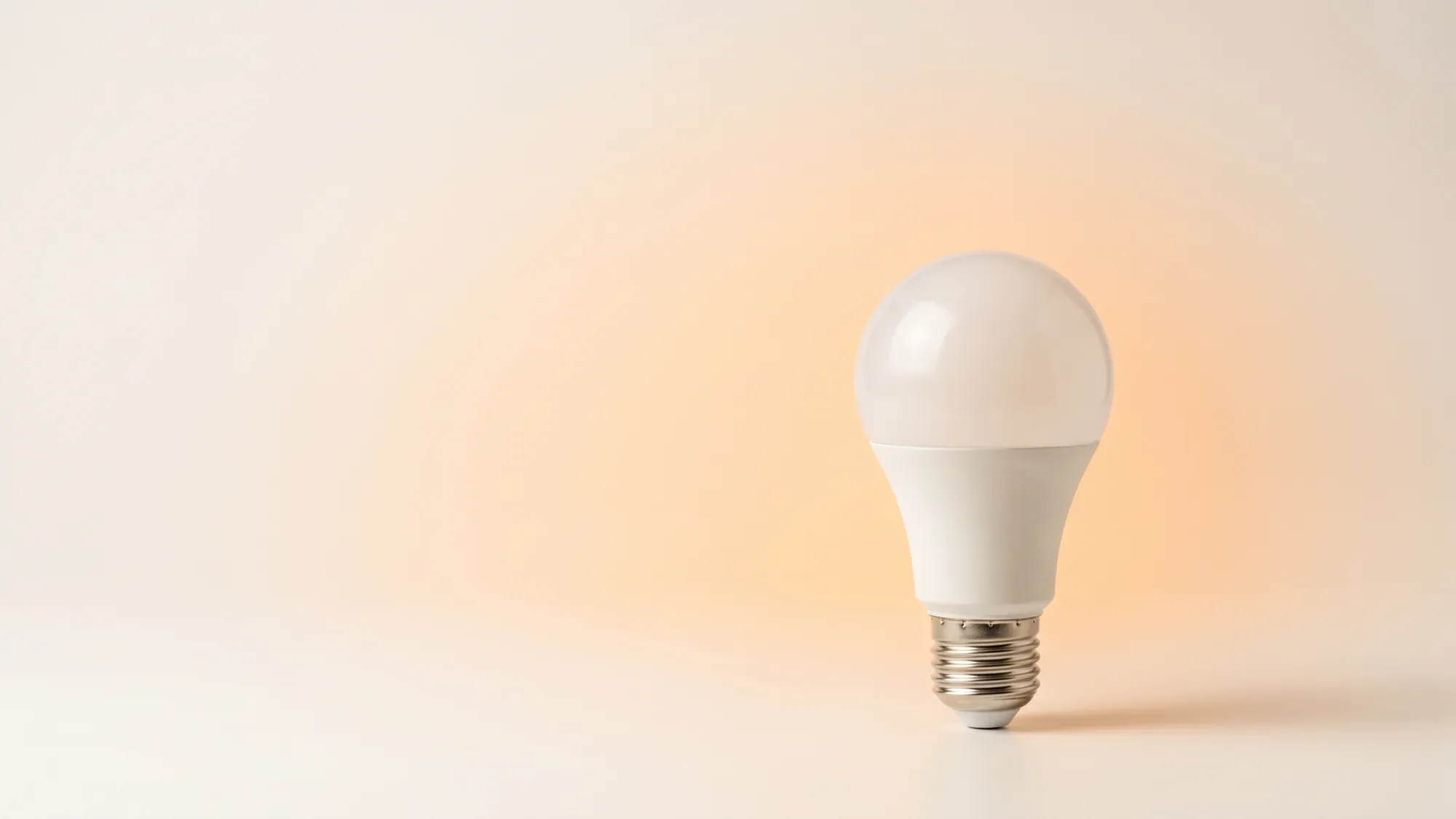
An energy-conserving light bulb - in practice, a modern Light Emitting Diode (LED) bulb - produces the same light as an old incandescent while using around 80-90% less electricity. Swapping every bulb in your home is one of the quickest, cheapest efficiency upgrades available, and with today's LED technology there is no compromise on brightness, colour, or convenience.
Energy-conserving light bulbs are designed to produce the same amount of light using significantly less electricity than older technologies. Today, this primarily means LED bulbs, which have become the standard for efficient home lighting.
The evolution of efficient lighting
The UK has steadily moved away from inefficient lighting. The government banned the sale of most halogen light bulbs from September 2021. Fluorescent lighting followed, with a phased ban starting in September 2023 for some types, and others by February 2024. This regulatory push reflects the superior efficiency of LEDs. These modern bulbs are not a new or niche technology; they are the established, high-performance option for lighting your home.
Understanding lumens vs watts
When selecting light bulbs, it's crucial to understand the difference between lumens and watts. Watts measure the amount of electricity a bulb consumes, while lumens measure the actual brightness of the light produced. For energy-conserving bulbs, a higher lumen-per-watt ratio indicates greater efficiency. For instance, a typical 60W incandescent bulb, which produces around 800 lumens, can be replaced by an LED bulb consuming only 8-12W to achieve similar brightness. This distinction helps you choose bulbs based on the light output you need, rather than the energy they used to consume.
Upgrading to energy-conserving light bulbs offers tangible advantages, from immediate financial relief to long-term environmental benefits.
Significant savings on your energy bills
According to the Energy Saving Trust, LED bulbs use around 80% less electricity than halogen bulbs for the same light output, and the saving against old incandescent bulbs is larger still - a 60W incandescent can be replaced by an LED using just 8-12W. This translates directly into lower electricity bills. You can also explore other ways to make your home more energy efficient and achieve energy bill savings.
Environmental impact and longevity
Beyond the financial benefits, energy-conserving light bulbs contribute to a reduced environmental footprint. LEDs last considerably longer than traditional bulbs, often many years, which means fewer replacements and less waste. Their lower energy consumption also reduces the demand on power grids, contributing to overall lower carbon emissions. It's a choice that benefits both your wallet and the planet. For more insights into sustainable energy, consider the advantages of solar energy.
Selecting the best energy-conserving light bulb involves more than just picking the cheapest option. Key specifications ensure you get the right light for every space.
Key specifications: brightness, colour, and fitting
- Brightness (lumens): Always check the lumen output to ensure the bulb provides enough light for the room. Don't confuse wattage with brightness; a low-wattage LED can be very bright.
- Colour temperature (Kelvin): Measured in Kelvin (K), colour temperature dictates the light's appearance. Lower Kelvin values (e.g., 2700K-3000K) produce a warm, yellowish light, ideal for living rooms and bedrooms. Higher values (e.g., 4000K-5000K) create a cooler, bluer light, suitable for kitchens or home offices.
- Cap fitting: Ensure the cap fitting (e.g., E27 screw, B22 bayonet, GU10 spotlight) matches your existing light fixtures.
Overlooking these details can lead to unsuitable lighting, so assess your current needs before purchasing.
Bulbs for every room and purpose
Different rooms require different lighting. For example, a bright, cool light might be perfect for a kitchen where tasks are performed, while a warm, dimmable light creates a cosy atmosphere in a living room. Consider beam angle for spotlights; a narrow beam highlights features, while a wider beam provides general illumination.
Navigating energy labels
Energy labels for light bulbs provide clear information on energy efficiency classes, typically ranging from A to G. These labels help you make informed choices by indicating how efficient a bulb is at converting electricity into light. Always opt for bulbs with the highest possible energy efficiency rating to maximise your savings and minimise energy waste.
Smart lighting takes energy conservation a step further, offering enhanced control and integration into your home.
How smart bulbs enhance control and savings
Smart bulbs connect to your home network, allowing you to control them via an app or voice commands. This offers features like scheduling lights to turn on and off, dimming them to conserve energy, or even adjusting colour temperature to suit your mood or time of day. These capabilities can significantly reduce wasted electricity by ensuring lights are only on when and where needed, and at the optimal brightness.
Integrating smart lighting into your home
Integrating smart lighting is often straightforward. Many smart bulbs fit standard fixtures and can be controlled individually or grouped for seamless management. While Fuse doesn't sell bulbs, its app empowers customers to monitor overall energy consumption, helping them see how their smart, energy-conserving choices contribute to their total usage. For those with a smart meter, the Fuse app can provide live usage data.
Making the transition to energy-conserving light bulbs is a practical process that yields long-term benefits.
Step-by-step replacement guide
- Assess your current lighting: Identify the bulb types and fittings in each room.
- Understand specifications: Note the required brightness (lumens) and desired colour temperature for each area.
- Choose LED bulbs: Select LED bulbs that meet these specifications and have a high energy efficiency rating.
- Consider smart options: Explore smart bulbs for areas where enhanced control would be beneficial.
- Replace old bulbs: Systematically replace inefficient bulbs with your new energy-conserving alternatives.
- Dispose responsibly: Recycle old bulbs according to local guidelines.
Long-term energy management with Fuse
While Fuse doesn't sell bulbs directly, its app allows you to monitor your overall energy consumption, providing transparent insights into your usage and helping you see the difference your new lighting makes to your bills. If you don't have a smart meter, Fuse Energy can upgrade your non-smart meter, completely for free.