Electricity key: how to top up and troubleshoot
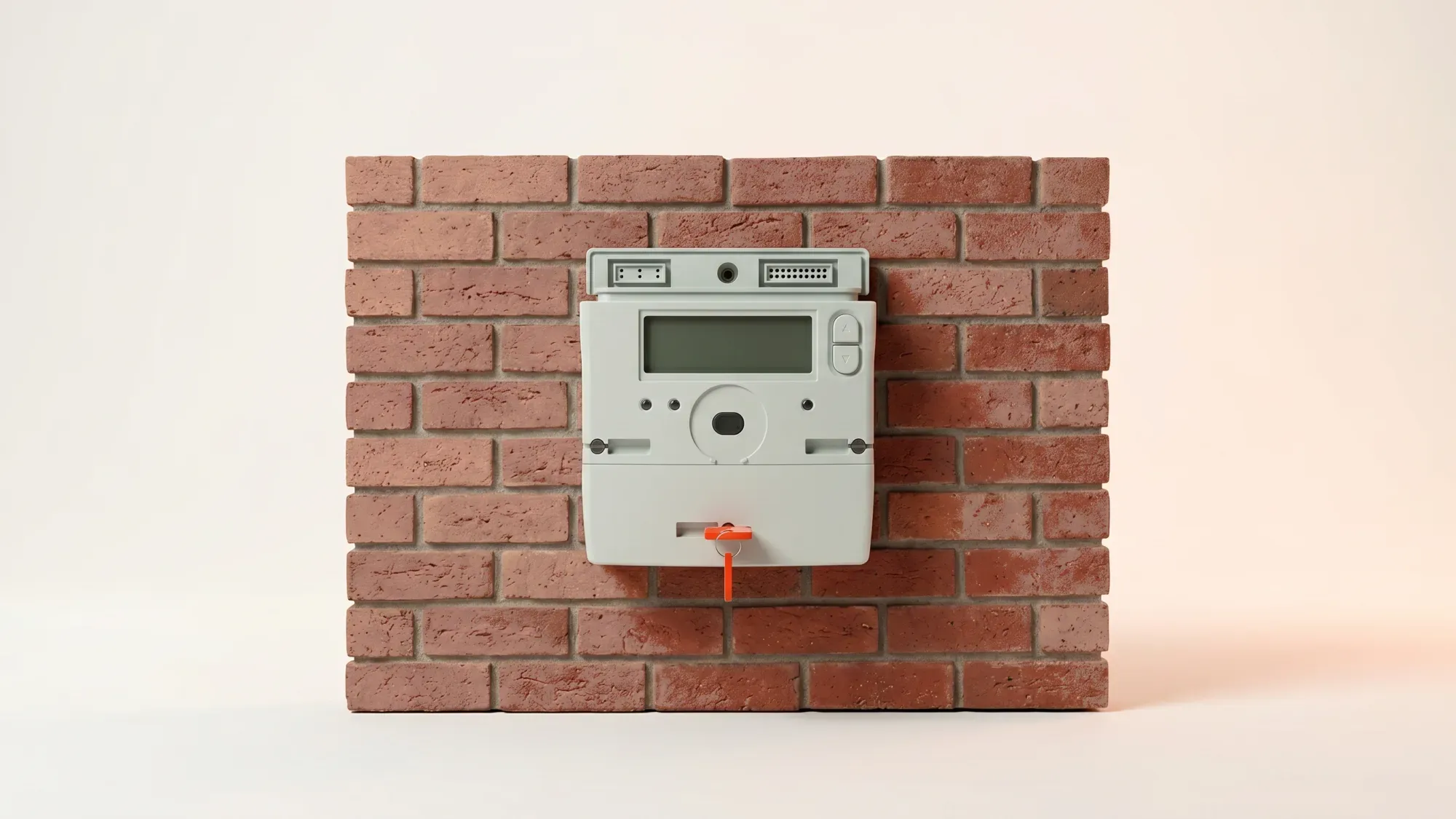
Managing your energy supply with an electricity key requires careful attention to avoid unexpected interruptions. This guide explains how electricity keys work, where to top up, and how to troubleshoot common issues, while also exploring modern alternatives for better energy management.
If you are looking for a modern energy experience with clear pricing and smart meter integration, Fuse Energy offers competitive tariffs and an intuitive app to help you manage your energy usage efficiently. Click here to get started.
Enter your address to get a quote and see how much you could save
What is an electricity key and how does it work?
An electricity key is a device used with a prepayment meter, allowing you to pay for your electricity before you use it. This "pay-as-you-go" system helps many households budget their energy spending.
The prepayment meter system explained
Prepayment meters operate on a simple principle: you load credit onto your electricity key, and the meter then deducts the cost of the energy you use from this credit. When the credit runs out, your supply will switch off until you top up again. This system ensures you only pay for what you use, preventing large, unexpected bills.
Key components and functions
The main components of this system are the electricity key itself and the prepayment meter. The key stores your credit information and transfers it to the meter when inserted. The meter then displays your remaining balance and consumption. When you top up, the credit is loaded onto the key, which you then insert into your meter to update its balance.
Where to top up your electricity key
Topping up your electricity key is straightforward, with several options available depending on your energy supplier.
Finding PayPoint and Payzone locations
Most energy suppliers partner with PayPoint and Payzone networks, which offer thousands of convenient top-up locations across the UK, including supermarkets, convenience stores, and Post Offices. PayPoint has over 30,000 stores nationwide, while Payzone has over 24,000 partnered stores. You can usually find your nearest top-up point by using the locator tools on your energy supplier's website or the PayPoint/Payzone websites. Simply take your electricity key to the counter, state your desired top-up amount, and pay.
Online and app top-up options by supplier
Many energy suppliers offer online and app-based top-up services. These allow you to add credit to your electricity key from your computer or smartphone. You'll typically need your electricity key number or meter number to do this. After topping up online, you will still need to insert your electricity key into your meter to transfer the credit.
Emergency credit and friendly hours
Most prepayment meters offer an emergency credit facility. This allows you to continue using electricity for a short period if your credit runs low, giving you time to top up. The amount of emergency credit varies by supplier, but it typically needs to be repaid with your next top-up. Additionally, many suppliers have "friendly hours," meaning your supply won't disconnect during evenings, weekends, or public holidays, even if you run out of credit. However, any energy used during friendly hours will be deducted from your next top-up.
Troubleshooting common electricity key issues
Dealing with a faulty electricity key or meter can be frustrating, especially when your power is at risk. Here's what to do for common issues.
What to do if your key is lost or damaged
If your electricity key is lost, stolen, or damaged, contact your energy supplier immediately. They can usually deactivate the old key and arrange for a new one to be sent to you. There might be a small charge for a replacement key, and it can take a few working days to arrive. In the meantime, your supplier may be able to provide you with a temporary top-up card or advice on how to maintain your supply.
Dealing with a faulty meter or key
If your meter isn't accepting your key, or the display is showing an error message, it could indicate a fault with either the key or the meter itself. First, try cleaning the metal contact on your key with a dry cloth. If the problem persists, contact your energy supplier. They can diagnose the issue and arrange for a repair or replacement. Do not attempt to tamper with the meter yourself.
Power cuts and prepayment meters
A power cut affects all homes in an area, regardless of your meter type. If your power goes out, first check if your neighbours are also affected. If they are, it's likely a network issue, and you should contact your local Distribution Network Operator (DNO). You can call 105 for free in England, Scotland, and Wales to report a power cut or get information about it. This number connects you directly to your local DNO, who manages the electricity network. If only your home is affected, check your meter for error messages or if your credit has run out.
The limitations of prepayment meters
While prepayment meters offer a way to manage energy spending, they come with several limitations compared to modern alternatives.
Understanding the 'pay-as-you-go' model
The 'pay-as-you-go' model means you must actively manage your credit to avoid disconnection. This can be stressful, particularly if you struggle with budgeting or forget to top up. Unexpected disconnections can be inconvenient and, in some cases, dangerous, especially for vulnerable households.
Challenges with budgeting and unexpected disconnections
Despite the intention to help with budgeting, prepayment meters can make it harder to manage finances, as you pay for energy upfront. If you run out of credit at an inconvenient time, you might face a period without power until you can top up. This can lead to a "scarcity mindset," where households constantly worry about their energy supply.
Legacy meter types and the RTS phase-out
Some older prepayment meters rely on legacy technology, such as the Radio Teleswitch Service (RTS). The RTS uses a longwave radio signal to switch between peak and off-peak rates for certain tariffs. However, the industry-wide phase-out of RTS began on 30 June 2025. This means these meters are being retired and replaced with smart meters. If you have an RTS meter, your current energy supplier will replace it with a smart meter, typically at no cost to you.
Moving to a modern energy solution with Fuse Energy
Transitioning from an electricity key to a smart meter operating in credit mode offers greater control and flexibility over your energy usage.
The benefits of smart meters in credit mode
Smart meters provide automated readings, eliminating the need for manual submissions and ensuring accurate billing. When operating in credit mode, you pay for your energy after you've used it, similar to a monthly bill, which can simplify budgeting. Smart meters also offer access to more flexible tariffs and real-time usage data, allowing you to understand and manage your consumption more effectively. The average UK home uses around 2,500 kWh of electricity per year, according to Ofgem's Typical Domestic Consumption Values (TDCVs), and smart meters can help you track this usage in detail.
What is RTS?
RTS is a legacy system that uses longwave radio signals to control certain electricity meters, primarily for switching between peak and off-peak rates. It is currently being phased out, with the industry-wide switch-off beginning on 30 June 2025, requiring affected meters to be replaced with smart meters by your current supplier.
How Fuse Energy supports a digital-first energy experience
Fuse Energy does not support legacy prepayment meters that use electricity keys. However, if you have a smart prepayment meter, it can be supported and will be switched to credit mode upon joining Fuse Energy. This aligns with Fuse's vision of providing a modern, efficient, and empowering energy experience. Our app provides real-time energy usage data and management tools, a significant upgrade from the manual, often opaque, experience of electricity keys. This digital-first approach puts control and flexibility directly into your hands.
Switching from prepayment to Fuse Energy
If you currently use an electricity key with a legacy prepayment meter and wish to switch to Fuse Energy, you will first need to have your prepayment meter replaced with a smart meter operating in credit mode. Your current energy supplier can arrange this free upgrade for you. If you have a smart prepayment meter, it will be converted to credit mode when you switch. Once you have a smart meter in credit mode, you can then switch to Fuse Energy to benefit from our transparent app and advanced energy management features. This transition moves you beyond the limitations of traditional prepayment systems towards a more modern and efficient energy experience.
Ready to take control of your energy? Switch to Fuse Energy today for a smarter, more flexible energy experience. Our digital-first approach means clear pricing, real-time usage data in your app, and 24/7 human support whenever you need it. Make the switch to a modern energy supplier that puts you in control.
Disclaimer
For the avoidance of doubt, this article is provided for informational purposes only and is not intended to constitute legal or financial advice. The author and/or Fuse Energy shall not be responsible for any losses arising out of any reliance on the information contained herein.