Electricity bill UK: understanding your costs
Your electricity bill can seem complex, but understanding its components is key to managing your household finances. Knowing what each part covers helps you see where your money goes and how you might reduce your costs.
To take control of your electricity bill and unlock potential savings, consider switching to Fuse Energy. We offer clear pricing and tools to help you understand your usage. Click here to switch to Fuse Energy today.
Enter your address to get a quote and see how much you could save
Decoding your UK electricity bill
Your electricity bill isn't just a single charge; it's a breakdown of several elements that contribute to the cost of getting power to your home. These include wholesale costs, network charges, operating costs, and policy costs (levies). Knowing what each component covers helps you understand where your money goes and how you might manage it more effectively.
Unit rates and standing charges
Every electricity bill has two primary charges: the unit rate and the standing charge. The unit rate is the price you pay for each kilowatt-hour (kWh) of electricity you consume. This is the variable part of your bill, directly linked to how much energy you use. The standing charge is a fixed daily fee you pay regardless of how much electricity you use. It covers the fixed costs of supplying electricity to your property, such as maintaining the grid and meter reading services. These charges are set by Ofgem, the energy regulator, through the energy price cap, which influences standard variable tariffs. The specific unit rates and standing charges can vary by region and payment type.
Wholesale costs
Wholesale costs represent the price your energy supplier pays to buy electricity from generators on the open market. These costs make up the largest portion of your bill and can fluctuate significantly due to factors like global fuel prices, supply and demand, and geopolitical events.
Network charges
Network charges cover the cost of maintaining and upgrading the vast network of pylons, cables, and pipes that transport electricity from power stations to your home. These charges are paid to the Distribution Network Operators (DNOs) and Transmission System Operators (TSOs) and are a fixed component of your bill, ensuring the reliability of your energy supply.
Operating costs and policy levies
Operating costs include the expenses incurred by your energy supplier for billing, customer service, and other administrative functions. Policy levies are government-mandated charges designed to fund various environmental and social schemes, such as supporting renewable energy generation and helping vulnerable households. These levies are a crucial part of the UK's commitment to a greener, fairer energy system. From April 2026, the government is cutting the Energy Company Obligation (ECO) levy and moving 'green levies' to general taxation, which could save the average household around £150 a year.
Factors influencing your electricity bill
Several factors determine the final amount you pay for electricity. Understanding these can help you identify areas where you might be able to make changes and reduce your overall costs.
Household size and consumption
The number of people in your household and their energy habits directly impact your electricity consumption. Larger households or those with higher energy demands for heating, cooking, and entertainment will naturally use more kWh.
Appliance efficiency
The energy efficiency of your appliances plays a significant role. Older or less efficient appliances, such as refrigerators, washing machines, and tumble dryers, can consume considerably more electricity than their modern, energy-rated counterparts. Upgrading to more efficient models can lead to noticeable savings over time.
Time-of-use
For some tariffs, the time of day you use electricity can affect the unit rate. Tariffs designed for smart meters, for instance, might offer cheaper rates during off-peak hours (e.g., overnight) to encourage demand shifting and balance the grid. Understanding your meter type is essential for accessing these tariffs.
Meter type
The type of electricity meter you have can influence your tariff options. Traditional meters typically offer single-rate tariffs, while smart meters can facilitate multi-rate tariffs (like Economy 7 or time-of-use tariffs) that charge different rates at different times. Smart meters also provide real-time usage data, empowering you to monitor and adjust your consumption.
Average electricity bill in the UK
Understanding the average electricity bill provides a benchmark, but individual costs can vary widely.
Typical household consumption
What is the average electricity usage for a UK home?
The average UK home uses around 2,500 kWh of electricity per year. This figure, set by Ofgem, is a medium typical domestic consumption value (TDCV) and is often used as a baseline for comparing energy costs and tariffs.
This average consumption translates to varying costs depending on the unit rates and standing charges applied by your supplier. For gas, the average UK home uses around 9,500 kWh per year.
Regional variations
Electricity prices can vary slightly across different regions of the UK due to differences in network charges and other localised costs. While the unit rates and standing charges under the Ofgem Price Cap are largely consistent, regional factors can lead to minor differences in the final bill.
Impact of the energy price cap
The energy price cap, set by Ofgem, limits the maximum price energy suppliers can charge for each unit of electricity and gas, as well as the daily standing charge, for customers on standard variable tariffs. This cap is reviewed quarterly and significantly impacts the average electricity bill, protecting millions of households from sudden price spikes. However, the price cap only limits the unit rates, not your total bill, which will depend on your energy usage.
Strategies for reducing your electricity bill
Taking proactive steps can help you manage and reduce your electricity costs.
Energy efficiency improvements
Investing in energy efficiency can yield substantial long-term savings. This includes improving insulation, sealing draughts, upgrading to energy-efficient appliances, and switching to LED lighting. Simple changes in behaviour, such as turning off lights and unplugging devices, also contribute. You can find more tips on saving energy at home.
Smart meter optimisation
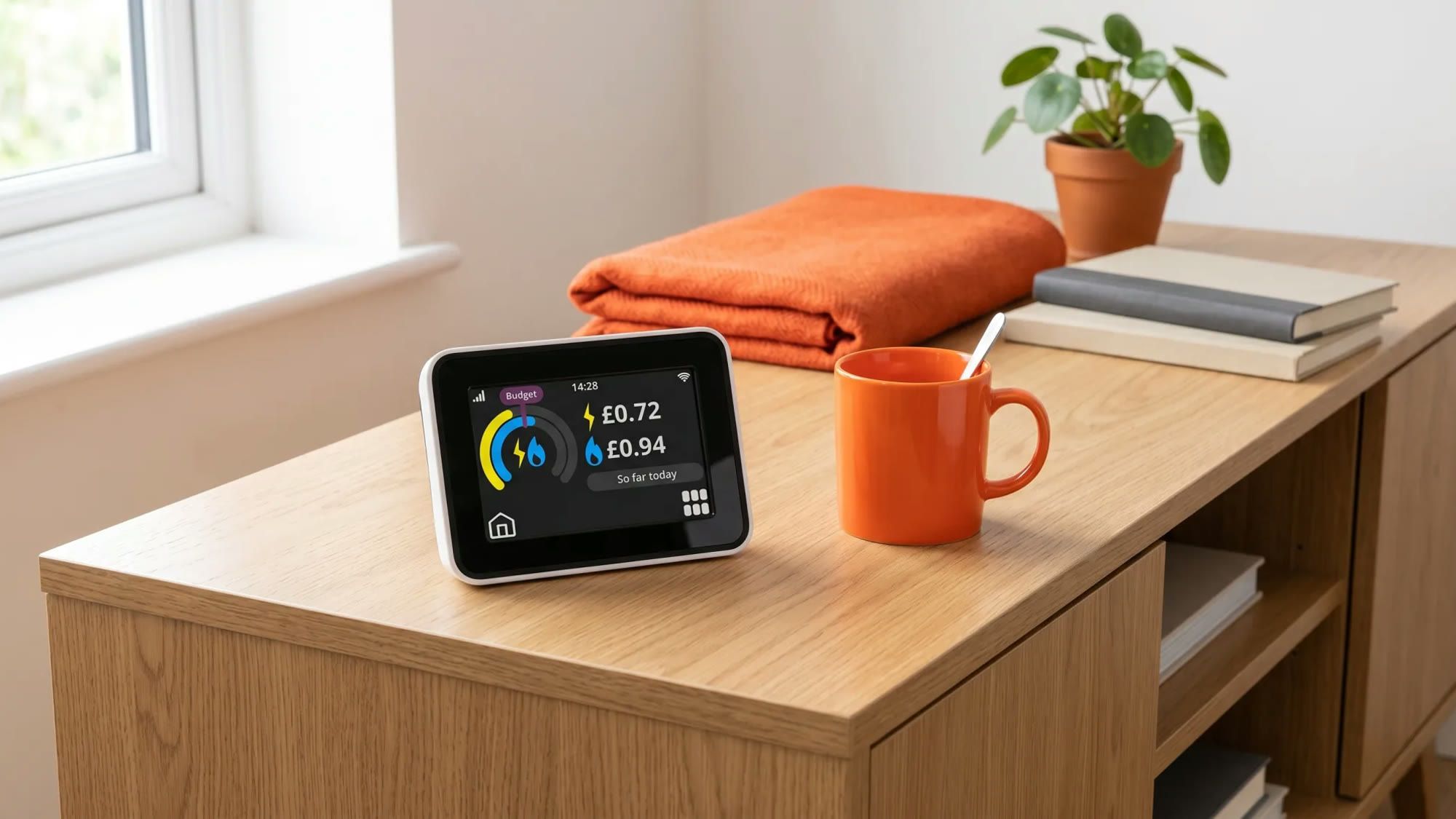
If you have a smart meter, use it to your advantage. Many smart meters come with in-home displays that provide real-time data on your energy consumption, allowing you to identify energy-intensive activities and adjust your usage patterns. Some smart tariffs offer cheaper electricity during off-peak hours, making it worthwhile to shift activities like charging electric vehicles or running washing machines to these times.
Choosing the right tariff
Regularly comparing tariffs from different suppliers is crucial. While the price cap sets a limit for standard variable tariffs, fixed-rate tariffs might offer better value for money by locking in your unit rates for a set period. Use comparison websites to explore options and find a deal that suits your consumption habits.
Submitting accurate meter readings
If you don't have a smart meter, submitting regular and accurate meter readings is essential. This ensures your bills are based on your actual consumption rather than estimates, preventing potential overpayments or underpayments. Fuse Energy's app allows for easy submission of meter readings.
Government support and energy schemes
Various government programmes and schemes are in place to help households struggling with energy costs or looking to improve their home's energy efficiency.
Energy Company Obligation (ECO) scheme
The ECO scheme helps low-income and vulnerable households by funding energy efficiency improvements, such as insulation and heating system upgrades. This scheme aims to reduce carbon emissions and tackle fuel poverty by making homes warmer and cheaper to heat. Eligibility typically depends on receiving certain benefits and the property's Energy Performance Certificate (EPC) rating.
Other available support
Beyond the ECO scheme, other forms of support may be available. The Warm Home Discount Scheme, for instance, provides a one-off discount of £150 on electricity bills for eligible households in England, Wales, and Scotland. Most eligible households receive this automatically, though some in Scotland may need to apply. You can also check if you qualify for the Priority Services Register (PSR), which offers extra help from energy suppliers to vulnerable customers during power cuts or supply interruptions. Eligibility for the PSR includes those with disabilities, long-term health conditions, or who are of pensionable age.
Taking control with Fuse Energy
Understanding your electricity bill is the first step in a power play, shifting control into your hands by demystifying costs and enabling smarter decisions.
Transparent billing and digital tools
Fuse Energy's digital-first app provides transparent, real-time data on energy usage, empowering customers with the insights needed to manage their electricity bill effectively. This clarity helps you move from simply "using less" to "using smarter," optimising your energy consumption.
24/7 human support
Navigating energy bills can still be confusing, even with the best tools. Fuse Energy offers 24/7 human customer support to help clarify bill components and provide guidance on managing energy costs, ensuring no customer is left confused.
Switching to a smarter future
By understanding your bill and utilising modern tools, you can optimise your energy consumption and make informed decisions. This approach allows for more energy for your money, fostering an abundance mindset rather than focusing solely on scarcity.
Ready to take control of your energy? Switch to Fuse Energy today and experience transparent billing, real-time insights, and dedicated support. Click here to get started. You can also learn more about our mission to make energy abundant by clicking here.
Disclaimer
For the avoidance of doubt, this article is provided for informational purposes only and is not intended to constitute legal or financial advice. The author and/or Fuse Energy shall not be responsible for any losses arising out of any reliance on the information contained herein.