Electric certificate: home electrical safety
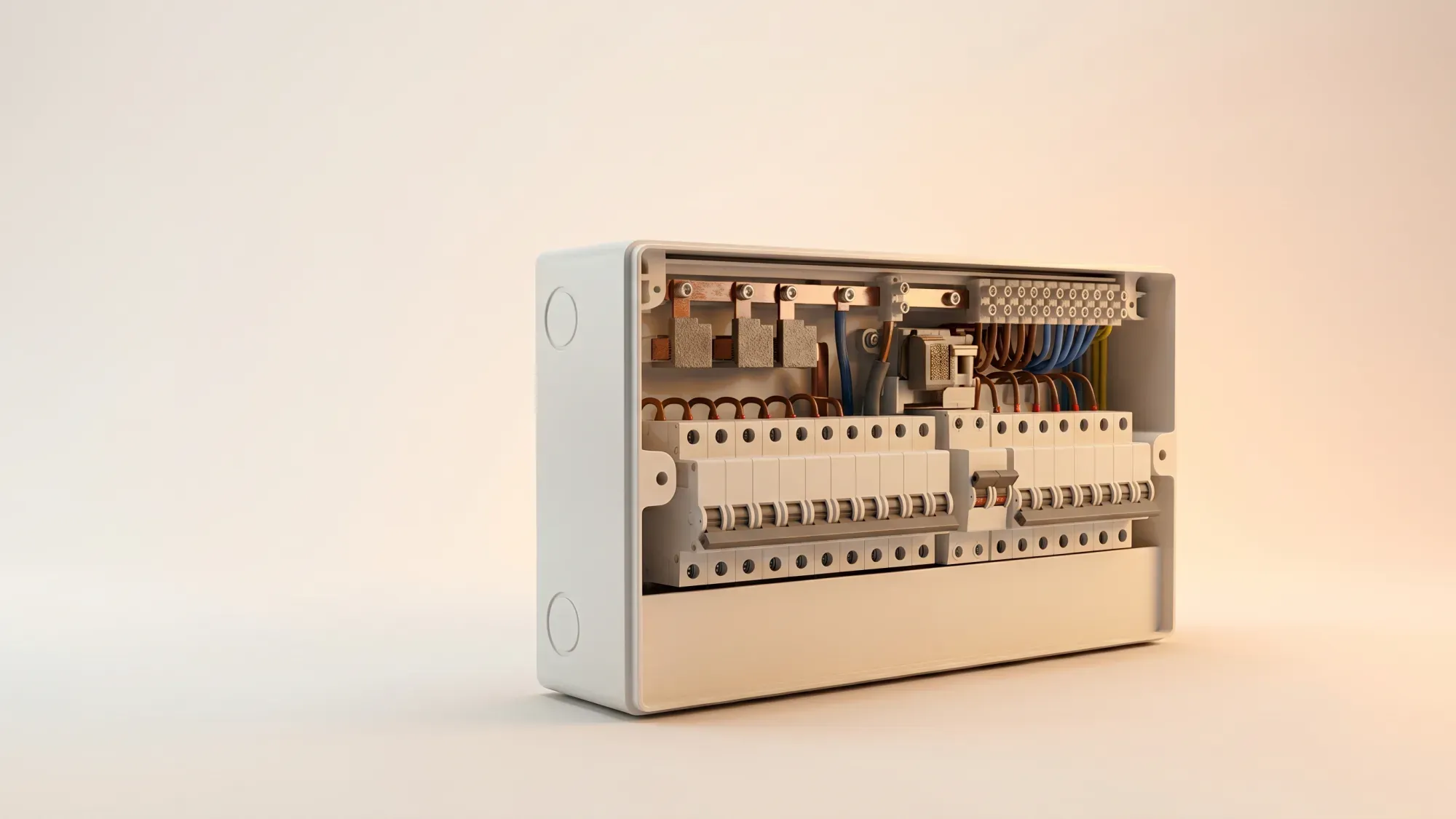
Your electric certificate isn't just a compliance document; it's your home's passport to a future with abundant, clean energy, enabling the safe integration of smart energy solutions. Ensuring your home's electrical system is safe and compliant is a legal requirement for many and a foundational element for a modern, efficient home. Electrical safety certificates verify that your property's wiring meets current safety standards, protecting occupants and preventing hazards. This guide explains what these certificates are, who needs them, and how to obtain them, helping you navigate compliance and maintain a safe electrical system.
Enter your address to get a quote and see how much you could save
Understanding electrical certificates
An electric certificate is a formal document confirming that an electrical installation has been inspected, tested, and meets specific safety standards. These certificates are crucial for proving that electrical work has been carried out correctly and that an installation is safe for continued use. They serve as a vital record for property owners, insurers, and future electricians, detailing what was done, when, and by whom.
The importance of electrical safety
Electrical faults, even from minor jobs, can lead to fire or injury. Regular inspections and proper certification help identify potential hazards like faulty wiring, overloaded circuits, or inadequate earthing before they become dangerous. Adhering to electrical safety standards protects residents and property, and is a key part of responsible home ownership and property management.
What an electric certificate verifies
An electric certificate verifies that an electrical installation complies with the UK's safety standards, primarily BS 7671 (the IET Wiring Regulations). It records the results of inspections and tests, highlighting any defects or deviations from the standards. For existing installations, an Electrical Installation Condition Report (EICR) assesses the overall condition and identifies any remedial work needed to ensure safety. For new work, certificates confirm the installation was designed, constructed, and tested correctly.
Legal requirements and who needs them
Electrical safety regulations in the UK vary depending on whether you are a homeowner or a landlord, and the type of property.
Landlord obligations in England
Landlords in England have specific legal obligations regarding electrical safety. The Electrical Safety Standards in the Private Rented Sector (England) Regulations 2020 mandate that every fixed electrical installation in a rented property must be inspected and tested by a qualified person at least every five years. This applies to all new tenancies from 1 July 2020, and to all existing tenancies from 1 April 2021. Landlords must obtain a report (an EICR) of the inspection results and provide a copy to each tenant within 28 days of the inspection, and to any new tenant before they move in. Local housing authorities can request a copy within seven days. Failure to comply can result in significant financial penalties.
Homeowner recommendations
While homeowners are not legally required to have an EICR, it is strongly recommended for safety and peace of mind. For owner-occupied homes, an EICR is typically advised every 10 years. It is also prudent to obtain one when buying or selling a property, or if you suspect any electrical issues. All electrical work in dwellings must comply with Part P of the Building Regulations, which requires certain work to be notified to a local authority building control.
When is an electric certificate required?
An electric certificate is required in several situations:
- For rented properties in England: An EICR is legally required at least every five years, or before a new tenancy begins.
- After new electrical installations: Any new circuit, a complete rewire, or a consumer unit replacement requires an Electrical Installation Certificate (EIC).
- After minor electrical alterations: Smaller changes, such as adding a socket to an existing circuit, need a Minor Electrical Installation Works Certificate (MEIWC).
- For homeowners: An EICR is recommended every 10 years, or if there are concerns about the electrical system.
Types of electrical certificates
Understanding the different types of electrical certificates is crucial for ensuring compliance and safety.
Electrical installation condition report (EICR)
An EICR is a comprehensive report on the condition of an existing electrical installation. It identifies any damage, deterioration, defects, or dangerous conditions, and assesses whether the installation is safe for continued use. The report will classify observations using codes (C1 for dangerous, C2 for potentially dangerous, C3 for improvement recommended, and FI for further investigation) and conclude with an overall assessment of "satisfactory" or "unsatisfactory". EICRs are valid for up to five years for rental properties, or less if the electrician specifies an earlier date based on the installation's condition.
Electrical installation certificate (EIC)
An EIC is issued for new electrical installations or significant alterations to an existing one. This includes work such as a full rewire, the installation of a new circuit, or the replacement of a consumer unit. The EIC confirms that the work has been designed, constructed, inspected, and tested in accordance with BS 7671.
Minor electrical installation Works certificate (MEIWC)
A MEIWC is used for smaller electrical changes that do not involve the installation of a new circuit. Examples include adding a socket to an existing circuit, altering an existing lighting circuit, or replacing certain protective devices. This certificate confirms the minor work is safe and compliant.
What is the difference between an EIC and an EICR?
An EIC certifies new electrical work or significant alterations, confirming it meets safety standards. An EICR, on the other hand, assesses the safety and condition of an existing electrical installation, identifying any faults or potential hazards.
How to obtain an electric certificate
Obtaining an electric certificate involves a clear process, starting with finding a qualified professional.
Finding a qualified electrician
All electrical work and inspections must be carried out by a competent, qualified electrician to ensure safety and validity of certificates. Electricians carrying out inspections and issuing certificates should be registered with a government-approved scheme, such as NICEIC, NAPIT, or ELECSA. These schemes ensure that electricians are assessed against national safety standards and can self-certify their work under Part P of the Building Regulations.
The inspection and testing process
During an electrical inspection, the electrician will visually check the installation and conduct a series of tests using specialised equipment. This involves examining the consumer unit (fuse box), wiring, sockets, switches, and other fixed electrical equipment. For an EICR, they will look for signs of wear and tear, damage, corrosion, or other factors that could compromise safety. The duration of the inspection depends on the size and complexity of the property.
Receiving and storing your certificate
Upon satisfactory completion of the inspection or work, the electrician will issue the appropriate electrical certificate. It is essential to keep this certificate and any associated reports in a safe place. These documents are vital for property transactions, insurance purposes, and future inspections. Landlords must also provide copies to their tenants and local authorities as required.
Cost of electrical certificates
The cost of obtaining an electrical certificate can vary based on several factors.
Factors affecting the price
The price of an electrical certificate, particularly an EICR, is influenced by:
- Property size and type: Larger properties or those with more circuits generally cost more to inspect .
- Location: Costs can be higher in certain regions, such as London and the South East, where prices can be 15-30% higher .
- Age and condition of the wiring: Older installations or those in poor condition may require more time and specialist attention, increasing the cost .
- Electrician's rates: Individual electricians or companies set their own pricing .
Typical costs for homeowners and landlords
The average cost of an EICR for a typical UK home usually ranges between £150 and £250, with many homeowners expecting to pay around £180 to £200 . For a 1-2 bedroom property, costs might be between £100 and £200 . A 3-bedroom house typically costs £180-£250 . These figures usually cover the inspection itself, with any necessary remedial work quoted separately . In London, expect to pay between £200 and £400, and potentially over £500 for larger or more complex properties .
Electrical safety for a modern home
A safe and compliant electrical system is more than just a regulatory checkbox; it's the bedrock for integrating modern energy technologies into your home.
The foundation for smart energy solutions
Your home's electrical system is the fundamental 'power' that allows you to embrace contemporary energy solutions safely. Technologies like smart meters and EV chargers rely on a robust and certified electrical installation to operate efficiently and without risk. Ensuring your electrics are up to standard means you can safely integrate these innovations, gaining greater control over your energy consumption and potentially reducing costs.
Fuse Energy's role in your energy future
While Fuse Energy does not provide electrical inspection services or issue electrical safety certificates, we recognise that a robust home electrical system is integral to the broader, modern energy ecosystem we are building. By ensuring electrical safety, homeowners gain the capability to integrate more energy-efficient technologies. Fuse Energy offers 24/7 human customer support and free smart meter upgrades for eligible homes, enhancing overall home energy management.
Conclusion
Obtaining and maintaining valid electrical certificates is a crucial aspect of property ownership and management in the UK. For landlords, it's a legal obligation, while for homeowners, it's a vital recommendation for safety and future-proofing. By understanding the types of certificates, their requirements, and how to engage qualified professionals, you ensure your home's electrical system is safe, compliant, and ready for the energy demands of tomorrow.
Managing your home's energy bills should be clear and easy to understand. Fuse Energy focuses on straightforward pricing, so you can see exactly what you're paying without unnecessary complexity. If you have a smart meter, you can view detailed usage data through the app or website, helping you understand how you can lower your bills. If you don't have a smart meter, Fuse Energy can upgrade your non-smart meter, completely for free. This can make it easier to track spending and make informed decisions about your energy use. Our 24/7 human support team is always on hand with fast response times whenever you need help. Click here to switch to Fuse Energy today. Find out about our mission by clicking here.
Disclaimer
For the avoidance of doubt, this article is provided for informational purposes only and is not intended to constitute legal or financial advice. The author and/or Fuse Energy shall not be responsible for any losses arising out of any reliance on the information contained herein.