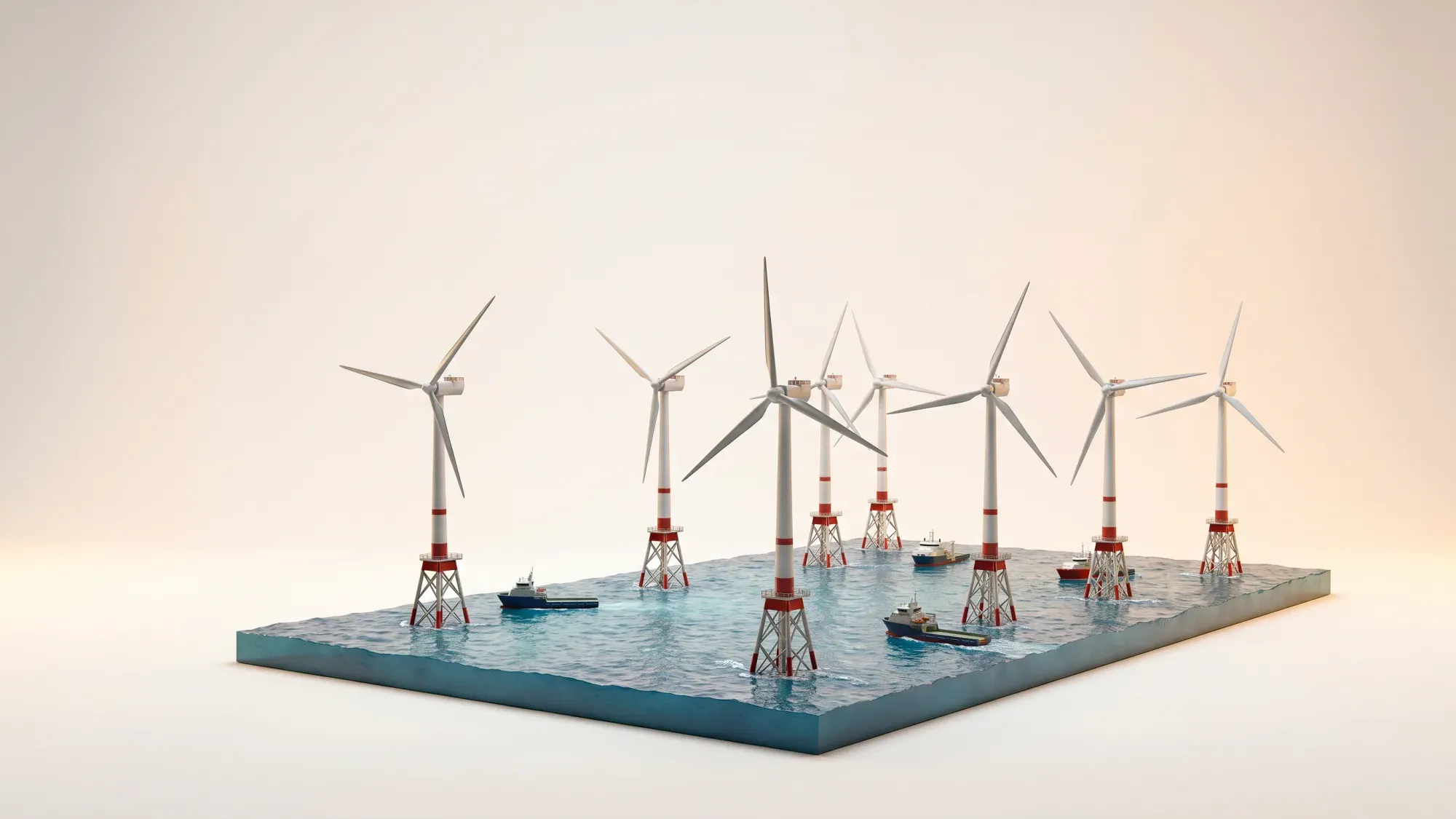
Eco friendly energy means living comfortably and capably, without guilt or compromise, by using abundant, clean power. For too long, the energy industry has promoted a 'use less' scarcity mindset, influencing how we view sustainable choices. Fuse Energy believes true eco-friendliness in energy should enable you to live fully, not make you feel guilty about consumption.
Understanding how to embrace eco friendly energy without sacrificing comfort is key to a sustainable future. Fuse Energy is committed to making clean, abundant energy accessible for every home.
Making your home energy more eco-friendly is a straightforward process with Fuse Energy. We focus on clear pricing, real-time usage data through our app, and 24/7 human customer support to help you manage your energy effectively. Click here to switch to Fuse Energy today.
The traditional view of eco-friendly living often involves sacrifice and deprivation, especially when it comes to energy. This perspective has been shaped by decades of messaging from the energy industry.
Traditional views of eco-friendly living
For forty years, the energy industry has largely promoted a 'use less' message, fostering a scarcity mindset around energy consumption. This narrative has led many to believe that being eco-friendly means constantly rationing heating, turning off lights, and generally making do with less. It is a story that has made energy feel precious and the future tight, encouraging a sense of responsibility that often translates into quiet arithmetic at the kitchen table, making lives smaller.
The impact of 'use less' messaging on consumer behaviour
This scarcity mindset has created common pitfalls for UK adults. Many believe that being eco-friendly necessarily means sacrificing comfort or modern conveniences, or feel overwhelmed by conflicting advice and the perceived high cost of sustainable living. The focus has been solely on reducing consumption rather than seeking abundant, clean energy solutions that allow for a full, comfortable life.
Fuse Energy challenges the scarcity consensus by redefining eco-friendly energy from a narrative of sacrifice to one of abundance and empowerment. This approach enables a full, comfortable life through clean energy, without demanding behavioural changes that feel restrictive.
How abundant energy enables a modern lifestyle
Abundant clean energy allows you to live comfortably, power modern lifestyles, and charge electric vehicles with a clear conscience. This includes understanding EV charging at home to maximise efficiency. It means having the energy you need to build, play, and make things, rather than constantly worrying about consumption. This shift empowers individuals to make sustainable choices for their homes and lifestyles, reducing environmental impact without feeling deprived.
Moving beyond rationing: living comfortably with clean power
Instead of rationing, an abundance-first approach to energy focuses on delivering terawatt-hours of the cheapest, cleanest energy possible. This makes energy genuinely eco-friendly without requiring customers to limit their usage. It moves beyond the idea that you must shrink your life to be green, offering a future where energy is so plentiful it stops being a thing you think about.
Making your home energy more eco-friendly doesn't have to mean drastic changes or discomfort. Practical steps can lead to greater control and transparency over your energy usage.
Understanding your energy consumption
A good starting point is to understand how much energy your household typically uses. The average UK home uses around 2,500 kWh of electricity per year1. Knowing your baseline helps you identify areas where clean energy solutions can have the most impact, offsetting your consumption with cleaner sources. Learning how to read your energy meter can also provide valuable insights.
Exploring smart home energy solutions
Smart meters and associated apps can provide greater control and transparency over your energy usage. These tools can help you understand when energy is cheapest and cleanest, allowing you to adapt consumption patterns to maximise efficiency and minimise cost. This enhances your independence and puts you in charge of your energy choices. Many homeowners also consider a smart meter installation to further enhance their energy management.
The potential of plug-in solar for home generation
New technologies like plug-in solar offer a tangible step towards home energy independence. UK legislation SI 2026/848 has applied to compliant plug-in solar since 27 August 2026. This allows self-installed solar panels to connect via a standard wall socket. These kits typically have an 800W alternating current (AC) export limit per device and a 2,000W direct current (DC) input cap on the panel side.
While plug-in solar does not qualify for the Smart Export Guarantee (SEG) as it typically lacks Microgeneration Certification Scheme (MCS) certification, self-consumption remains the primary saving by reducing the amount of electricity you draw from the grid. Unused generation still goes to the grid, and some suppliers may offer their own export tariffs outside the SEG scheme. It is important to note that SI 2026/848 covers compliant standalone plug-in solar only, not plug-in batteries or hybrid solar-battery systems.
Selecting an energy supplier that aligns with an abundance-first, eco-friendly vision is crucial for a sustainable future.
What to look for in a genuinely eco-friendly energy provider
Look for providers committed to delivering abundant, clean energy, rather than those solely promoting 'green' tariffs that might still operate on a scarcity principle. A genuinely eco-friendly provider will focus on making clean energy accessible and plentiful, enabling you to live without guilt or compromise. Ofgem is the UK's energy regulator, responsible for overseeing gas and electricity markets and protecting consumers.
The importance of transparency and control over your energy
A key differentiator is the level of transparency and control offered. Fuse Energy's app and smart meter integration, for example, can help customers use more energy when it is cheapest and cleanest, enhancing their control and independence. This empowers you to make informed decisions about your energy consumption, aligning it with both your lifestyle and environmental goals.
The future of eco-friendly energy is not about doing without; it is about having more of what truly matters: clean, reliable, and abundant power.
Empowering choices for UK households
By challenging the scarcity consensus, Fuse Energy redefines eco-friendly energy from a narrative of sacrifice to one of abundance and empowerment. This approach enables UK adults to live a full, comfortable, and modern life through clean energy, providing tangible control over their energy choices.
The long-term benefits of an abundance-first approach
An abundance-first approach to clean energy offers long-term benefits, including permanently cutting energy bills, protecting against price rises, and reducing reliance on the grid. It fosters a future where energy is so abundant it stops being a concern, allowing you to focus on living fully and comfortably.
Managing your home energy should be clear and easy. Fuse Energy focuses on straightforward pricing, so you can see exactly what you are paying without unnecessary complexity. If you have a smart meter, you can view detailed usage data through the app or website, helping you understand how you can lower your bills. If you do not have a smart meter, Fuse Energy can upgrade your non-smart meter, completely for free. Our 24/7 human support team is always on hand with fast response times whenever you need help. Click here to switch to Fuse Energy today. Find out about our mission by clicking here.