Draught proofing your home
Cold spots and high energy bills are often the unwelcome signs of draughts in your home. This article empowers homeowners and renters with clear, actionable DIY steps to identify and fix draughts, giving them immediate control over their home environment and making their energy use more effective. Sealing these hidden gaps is one of the most cost-effective ways to improve comfort and reduce energy waste, giving you more control over your home's warmth and finances.
Making your home more energy efficient, including by draught-proofing, can help reduce your energy bills. Fuse Energy offers clear pricing and in-app usage data to help you understand your energy consumption. Click here to switch to Fuse Energy today.
Enter your address to get a quote and see how much you could save
What is a draught and why does it matter?
A draught is an unwanted current of cold air entering your home through gaps and cracks in the building's fabric. These uncontrolled air leaks can make rooms feel chilly, even when the heating is on, leading to discomfort and increased energy consumption. Draughts are different from ventilation, which is controlled airflow needed for moisture removal and indoor air quality.
Understanding the impact on comfort and energy bills
Draughts are a significant source of heat loss in UK homes, making heating systems work harder and increasing energy consumption. Draughts can account for 10% to 20% of heat loss in a typical older home, meaning a substantial portion of the heat you pay for simply escapes. This means your heating system works harder to maintain a comfortable temperature, directly translating to higher energy bills.
Effective draught-proofing can lead to noticeable improvements in home comfort and reduced energy bills. It is one of the cheapest and most accessible energy-Saving improvements available for UK homes. Implementing basic draught-proofing measures can save an average UK household between £60 and £100 per year on heating bills, according to Energy Saving Trust estimates.
How to identify draughts in your home
Finding draughts is the first step to tackling them. Some are obvious, while others require a bit more detective work.
The visual inspection method
Start by visually inspecting your home for any obvious gaps or cracks. Look around windows, doors, electrical outlets, and where pipes enter walls. Visible light showing under or around doors and windows is a good clue for a potential draught. You can also listen for rattling or whistling noises, especially on windy days, which can pinpoint air movement.
The 'smoke' test
For a more precise method, try a 'smoke' test. Close all external windows and doors, leaving internal doors open, and turn off any fans or central air. Light an incense stick, a smoke pencil, or a smoke generator and hold it near areas where you suspect a draught. If the smoke moves sideways, flickers, or is drawn into or out of a gap, you have found an air leak. Smoke pencils are particularly useful as they produce a non-toxic vapour and allow for controlled streams of smoke, making it easier to pinpoint small leaks.
What is a smoke pencil?
A smoke pencil is a tool designed to visually identify air leaks and draughts. It releases a controlled, non-toxic vapour that allows you to see air movement around suspected gaps in your home's fabric. This helps pinpoint specific areas where cold air is entering or warm air is escaping.
Checking less obvious spots
Draughts are not always in plain sight. Do not forget to check less obvious locations such as around radiator pipes at floor level, pipe entry points behind kitchen appliances, waste pipes beneath sinks, and wherever boiler flues or gas supplies penetrate external walls. Loft hatches are also common culprits for heat loss. Use the smoke test in these areas to confirm air movement.
Effective draught-proofing solutions for every home
Once you have identified the sources of draughts, choosing the right solution is key. Many effective fixes are simple DIY tasks.
Windows and doors
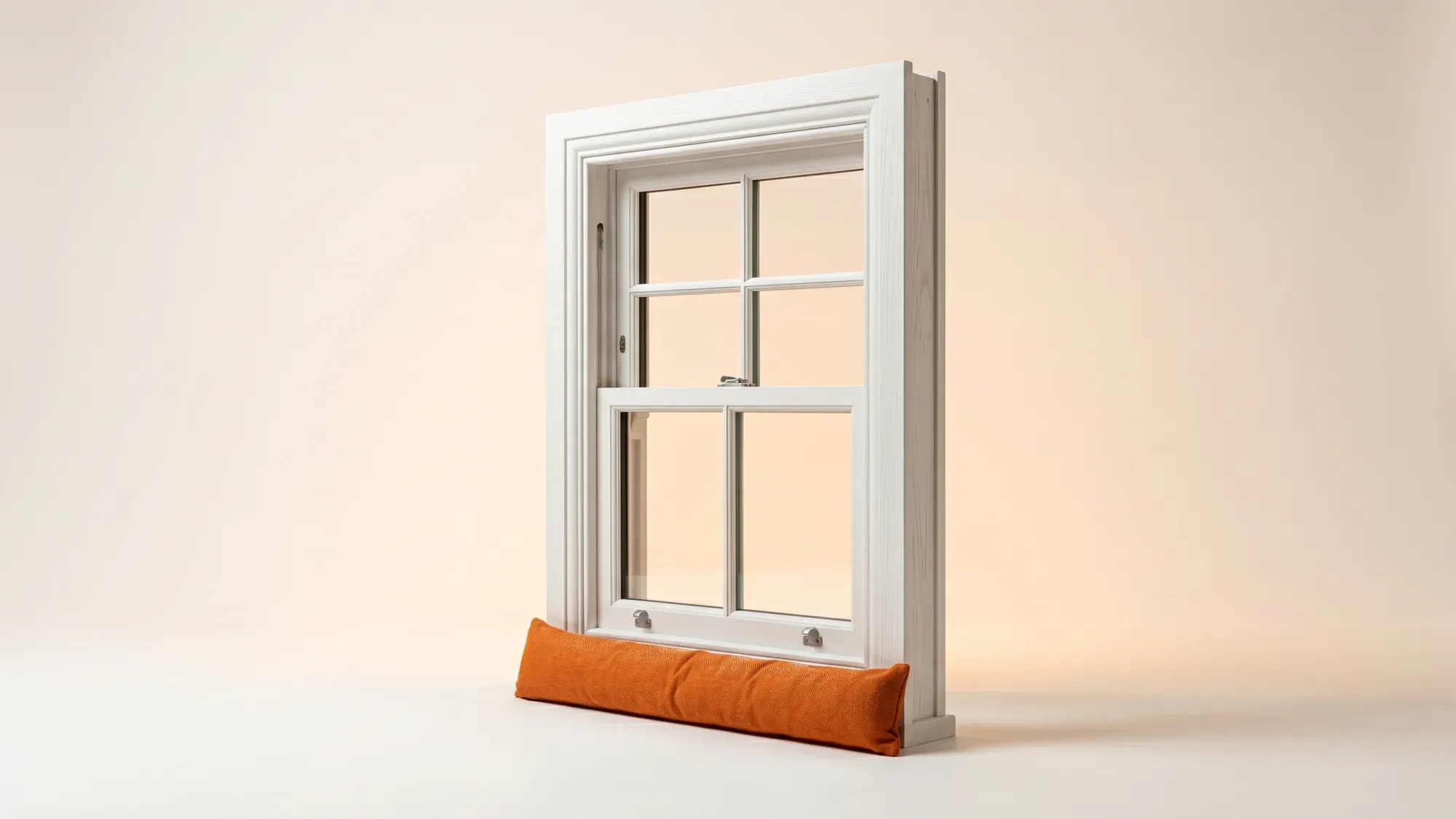
Windows and doors are common entry points for draughts. For windows that open, self-adhesive foam or rubber strips can be applied around the frame where the window closes. Rubber strips tend to be more durable and effective long-term. For sash windows, brush pile strips fitted into the sliding channels can seal gaps while allowing movement. For windows that do not open, a silicone sealant can be used.
Doors can benefit from similar strips around the frame and brush strips or 'door snakes' along the bottom. A purpose-made cover that drops a metal disc over the keyhole can prevent draughts. For letterboxes, use a letterbox flap or brush.
Floorboards and skirting boards
Small gaps between floorboards and skirting boards can allow cold air to seep in, particularly in older properties with suspended timber floors. Flexible fillers, such as decorator's caulk or silicone-based filler, are ideal for sealing these gaps. Ensure the filler can tolerate movement, as floorboards can expand and contract. For larger gaps, specialised floorboard gap fillers are available.
Loft hatches and pipework
Loft hatches are significant sources of heat loss as heat rises. Apply self-adhesive foam or rubber strips around the hatch frame to create a seal. For pipework and cable penetrations through external walls or ceilings, use expanding foam for larger gaps and decorator's caulk for smaller ones.
Chimneys and fireplaces
Unused chimneys can be major sources of draughts. Options include fitting a cap over the chimney pot or using a chimney draught excluder (such as a 'chimney sheep' or balloon) inside the flue when the fireplace is not in use. These are removable, allowing you to use the fireplace when desired.
Letterboxes and keyholes
Letterboxes and keyholes can allow cold air to enter. Fitting hinged flaps or brush strips to letterboxes can effectively block these draughts. Keyholes can be sealed with purpose-made covers that feature a metal disc.
Benefits of a draught-free home
Investing time and effort into draught-proofing delivers multiple rewards, making your home a more pleasant and economical place to live.
Increased comfort and consistent warmth
The most immediate benefit of a draught-free home is a noticeable increase in comfort. Eliminating cold spots and chilly air currents means your home feels consistently warmer, allowing you to enjoy all areas of your living space without feeling the need to bundle up indoors.
Reduced energy bills and carbon footprint
By preventing heat from escaping, draught-proofing allows your home to stay warmer for longer, reducing the need for continuous heating. This not only benefits your finances by reducing energy bills but also contributes to a lower carbon footprint by decreasing overall energy consumption.
Improved indoor air quality (with proper ventilation)
While draught-proofing focuses on stopping uncontrolled air leaks, it also contributes to improved indoor air quality when proper ventilation is maintained. Controlled ventilation ensures fresh air circulates, reducing damp and pollutants, which is crucial for a healthy home.
Important considerations for draught-proofing
Maintaining adequate ventilation
It is crucial to distinguish between uncontrolled draughts and necessary ventilation. While sealing gaps, you must ensure adequate ventilation remains, especially in rooms like kitchens and bathrooms where moisture is produced. Never block boiler flues, air bricks, or window trickle vents, as these are essential for safety and air quality.
When to call a professional
Many draught-proofing tasks are suitable for DIY, but some situations may require professional help. If you are unsure about the source of a draught, or if it involves structural elements, complex window types, or areas around gas appliances, it is best to consult a professional. They can offer expert advice and ensure safety standards are met.
Draught-proofing for renters
Renters can also benefit from draught-proofing. Many solutions, such as self-adhesive strips, door snakes, and chimney excluders, are temporary and can be removed without damaging the property. Always check your tenancy agreement or speak to your landlord before making any permanent changes. These simple measures can significantly improve comfort and reduce energy waste, even in rented accommodation.
Managing your energy bills should be clear and easy to understand. Fuse Energy focuses on straightforward pricing, so you can see exactly what you are paying without unnecessary complexity. If you have a smart meter, you can view detailed usage data through the app or website, helping you understand how you can lower your bills. If you do not have a smart meter, Fuse Energy can upgrade your non-smart meter, completely for free. This can make it easier to track spending and make informed decisions about your energy use. Our 24/7 human support team is always on hand with fast response times whenever you need help. Click here to switch to Fuse Energy today. Find out about our mission by clicking here.
Disclaimer
For the avoidance of doubt, this article is provided for informational purposes only and is not intended to constitute legal or financial advice. The author and/or Fuse Energy shall not be responsible for any losses arising out of any reliance on the information contained herein.