Double glazed window and condensation explained
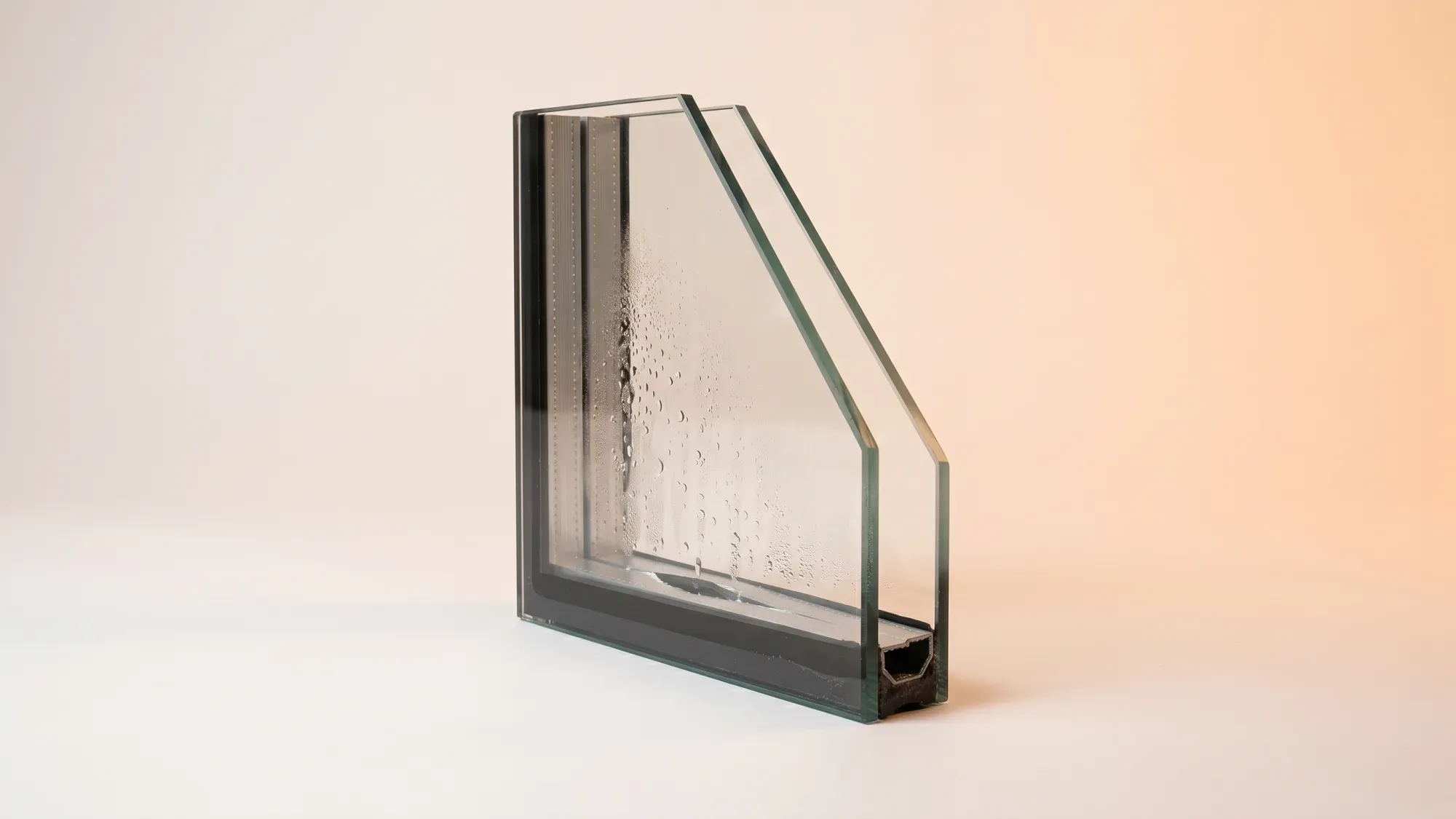
Condensation on your double-glazed windows is more than just a minor annoyance; it often signals an imbalance in your home's energy environment. Understanding why condensation occurs is the first step towards managing it effectively, helping you create a comfortable, healthy, and energy-efficient living space.
Condensation on your windows can be a sign that your home's energy usage isn't as efficient as it could be. By understanding the causes, you can take steps to improve your home's environment. To explore how Fuse Energy can help you manage your home's energy more effectively, click here to switch today.
Enter your address to get a quote and see how much you could save
Understanding condensation on double-glazed windows
What is condensation?
Condensation forms when warm, moist air meets a cooler surface. The water vapour in the air cools rapidly, turning back into liquid droplets. This natural physical process is why you see misting on cold drinks in warm weather or on bathroom mirrors after a hot shower.
Why double glazing doesn't always prevent it
Double glazing improves thermal insulation by creating a sealed gap, often filled with an inert gas, between two panes of glass. This reduces heat transfer, making the inner pane of glass warmer than a single-glazed window and less prone to internal condensation. However, double glazing doesn't eliminate the source of moisture in your home. If indoor humidity levels are high enough, or if there's a problem with the window unit itself, condensation can still appear.
Types of condensation and their causes
Identifying where condensation appears is crucial for understanding its cause and finding the right solution.
Internal condensation: inside your home
This is the most common type of condensation homeowners encounter, appearing on the inside surface of your windows. It's a direct result of too much moisture in the air inside your home meeting the relatively cooler window pane. A typical UK home can produce up to 10-15 litres of moisture per day from everyday activities like cooking, showering, and drying clothes. Breathing alone adds significant moisture to the air.
The ideal relative humidity in a comfortable UK home should sit between 30% and 60%. Maintaining humidity around 40% in winter can help prevent condensation on windows. Levels consistently above this range indicate an indoor humidity problem, often exacerbated by poor ventilation.
External condensation: outside the window
When you see condensation on the outside of your double-glazed windows, it's usually a good sign. This occurs when the external glass surface is colder than the outside air, often on clear, still nights. It indicates that your double glazing is doing its job well, preventing heat from escaping your home and keeping the outer pane cool. This type of condensation is normal and typically clears as the day warms up.
Condensation between panes: a sign of failure
Condensation appearing between the two panes of glass in a double-glazed unit is a different matter entirely. This is a clear indication that the hermetic seal of the insulated glass unit has failed. Once the seal is compromised, moist air can enter the cavity, leading to fogging, misting, or visible water droplets that cannot be wiped away. This issue reduces the window's energy efficiency and requires professional attention, as it's a product failure rather than a humidity management problem.
Practical solutions for UK homeowners
Addressing condensation effectively often involves a combination of strategies.
Improving ventilation
Good ventilation is key to removing moist air from your home. UK Building Regulations (specifically Part F for ventilation) set standards for adequate airflow to manage moisture and prevent condensation.
- Open windows: Even a few minutes a day can make a difference, especially after activities that generate a lot of moisture.
- Use extractor fans: Always use extractor fans in kitchens and bathrooms when cooking or showering, and ensure they are properly vented to the outside.
- Check trickle vents: Many modern windows have small trickle vents that allow continuous background ventilation. Ensure these are open and not blocked.
Managing indoor humidity
Simple changes to daily habits can significantly reduce indoor moisture levels.
- Cover pots when cooking: This reduces the amount of steam released into the air.
- Dry clothes outdoors: If possible, avoid drying laundry indoors, especially on radiators, as this releases large amounts of moisture. If you must dry indoors, use a well-ventilated room with a window open or a dehumidifier.
- Ventilate after showering/bathing: Keep bathroom doors closed and windows open, or the extractor fan running, for at least 15-20 minutes after use.
Optimising heating and air circulation
Maintaining a consistent, moderate temperature throughout your home helps prevent cold spots where condensation can form.
- Consistent heating: Avoid extreme temperature fluctuations. Keeping your home at a steady, comfortable temperature reduces the likelihood of warm, moist air meeting very cold surfaces. You can learn more about managing your energy use with our energy saving tips for your home.
- Improve air circulation: Keep internal doors open where practical, and ensure furniture isn't blocking radiators or air vents. This helps warm air circulate more freely.
When to seek professional help
While many condensation issues can be managed with lifestyle adjustments, some situations require expert intervention.
Diagnosing seal failure
If you observe condensation between the panes of your double-glazed windows, it signifies a failed seal. This isn't something you can fix yourself. A professional can assess whether the sealed unit can be repaired or if a replacement is necessary.
Addressing persistent damp and mould
Ignoring condensation can lead to more serious issues like damp and mould growth, which can affect indoor air quality and structural integrity. If you're a tenant, landlords in the UK have a legal obligation under the Homes (Fitness for Human Habitation) Act 2018 to ensure properties are fit for human habitation, which includes addressing issues like damp and mould caused by condensation. If you're a homeowner and persistent damp or mould appears despite your best efforts, it's wise to consult a building professional to identify and rectify underlying issues such as structural defects or insulation problems.
Considering window upgrades
While replacing windows isn't the first solution for all condensation, it may be a consideration for very old or inefficient units, especially if they are single-glazed or if the double-glazing seals have failed universally. Modern, high-performance double-glazed windows can significantly reduce heat loss and contribute to a more stable indoor environment.
Preventing future condensation issues
Effective condensation management is an ongoing process that contributes to a healthier, more energy-efficient home.
Long-term home energy management
Condensation is often a symptom of how your home's energy system interacts with its environment. By understanding and managing your home's energy dynamics, you can eliminate condensation, creating a more comfortable and worry-free living environment. This holistic approach aligns with Fuse's vision of abundant energy, where your home is optimised for comfort and efficiency.
Monitoring your home environment
The Fuse app can help you monitor your energy consumption patterns, giving you insights into how you use heating and other appliances. By understanding your home's energy use, you're empowered to make informed decisions that can indirectly help manage temperature and humidity, contributing to a more optimal indoor climate. This proactive monitoring can help prevent condensation before it becomes a problem. You can also learn how to read your smart meter to keep track of your usage here.
Managing your home's energy effectively can feel complex, but Fuse Energy aims to make it clear and straightforward. We offer transparent pricing, real-time usage data through our app, and 24/7 human customer support to help you every step of the way. Switching to Fuse is quick and easy, putting you in control of your energy bills and helping you create a more comfortable home environment.
Disclaimer
For the avoidance of doubt, this article is provided for informational purposes only and is not intended to constitute legal or financial advice. The author and/or Fuse Energy shall not be responsible for any losses arising out of any reliance on the information contained herein.